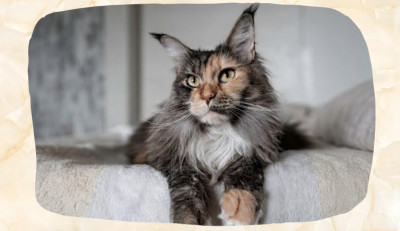
Keighley train station cat Coco is recovering after serious illness diagnosis

The workday feels quieter on Dalton Lane without Coco padding into the office and making himself at home. Around Keighley, the same absence was noticed in more than one familiar spot, and concern about the roaming local favourite led to the discovery that he was seriously unwell.
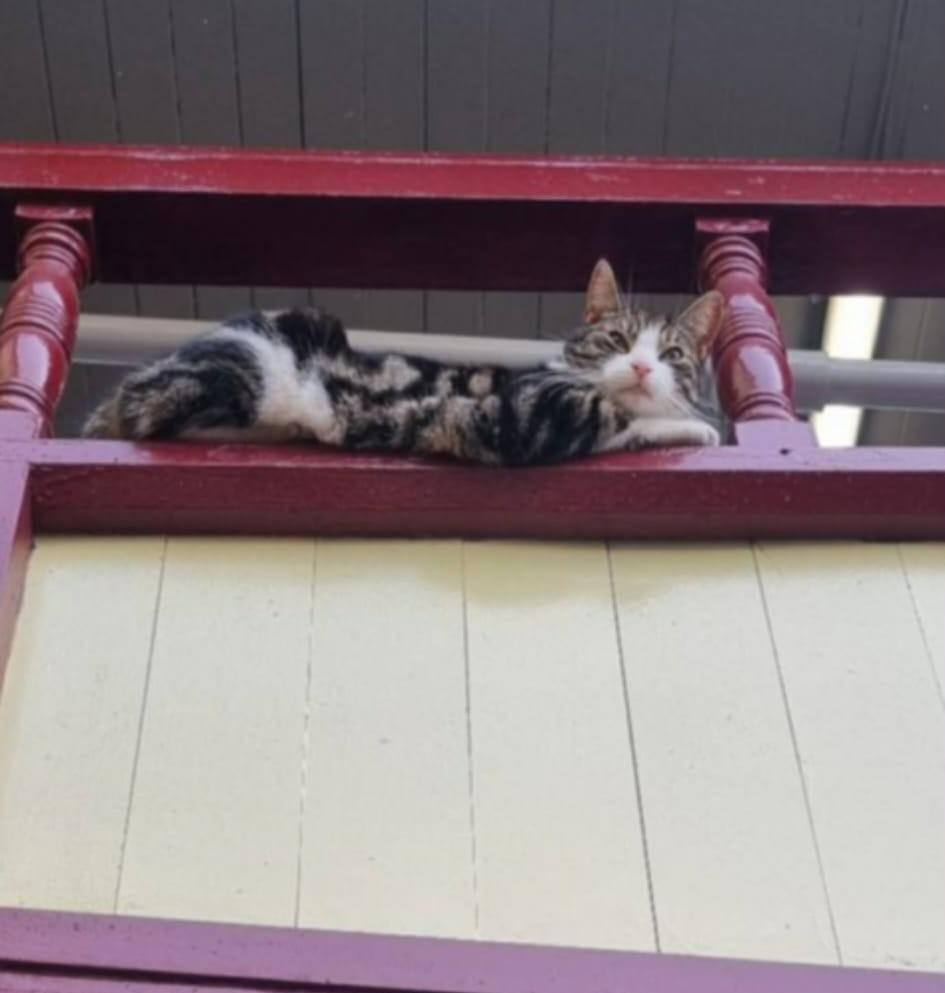
Coco has become a recognisable cat in Keighley because he does not keep to one doorstep. He is widely known as the train station cat, but his regular route has taken him well beyond the platforms. People around town had grown used to seeing him at local businesses, at Keighley College and even at Asda.
That visibility is part of what made his disappearance stand out. When Coco stopped turning up at the places he usually visited, people noticed. The concern that followed led to a difficult answer. In July, he was diagnosed with pancreatitis and with Feline Infectious Peritonitis, or FIP, which was described as a disease caused by a mutation of feline coronavirus.
For a cat who had seemed to belong everywhere, the update was a painful one for the many people who had come to know him in passing and in routine. But the latest news is far more encouraging. Coco is now responding well to treatment, and those who know him say there are clear signs of progress.
A familiar visitor who suddenly needed help
Andrea Green, who works at Office Furniture Outlet on Dalton Lane, has known Coco for several years through his regular visits. Long before his illness was identified, he had made himself part of the furniture there in the most literal way, turning up day after day, settling into the office and accepting treats from the staff.
At first, the team did not believe he had a home. For more than a year, staff thought he was a stray. During that period, he became such a fixture that they treated him almost like an unofficial colleague. They even gave him another name and called him Dave, while also thinking of him as the company mascot.
Eventually, a scan for a microchip changed that understanding. It showed that Coco did in fact belong to a resident. Even so, it did not change his habits. He remained a cat with a circuit of his own, drifting between the office, the railway station, the college and other stops around town.
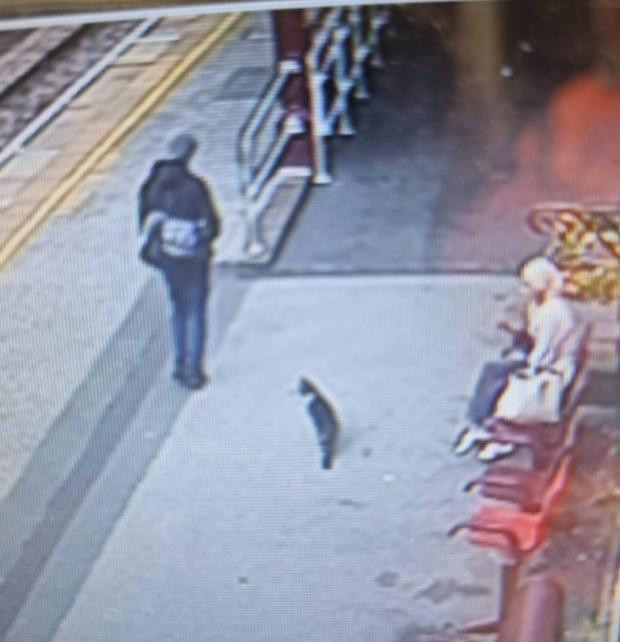
That independent streak is part of why he became so well known. Green described him as an especially adventurous cat, and that reputation had already been backed up by local sightings and even CCTV footage at Keighley railway station showing him waiting for a train. Coco was not simply a pet seen in one garden or one window. He had become a familiar presence in public life, a cat many people expected to encounter as part of their ordinary day.
Week eight of treatment, with hope and uncertainty ahead
Coco began treatment in July after a GoFundMe page was set up to help cover his veterinary bills. He is now in week eight of a 12 week treatment plan, a milestone that suggests both how serious his condition was and how sustained his care has needed to be.
According to Green, the early stage of his illness was hard to see. For the first few weeks, Coco was very lethargic and his belly had become very swollen. Since then, she said, he has responded well to medication and the swelling in his stomach has gone down.
His recovery is still being closely monitored. Green said Coco goes to the vet every Thursday for tests and scans. That regular schedule has offered a way to track his progress as treatment continues, and the reports so far have been encouraging.
His improvement matters not only to the people directly caring for him but also to the broader circle of people who had become used to his rounds. Green said he is missed, and that her workday feels duller without him turning up. The feeling appears to be shared more widely in Keighley, where Coco had become a small but memorable part of daily life.
What happens after treatment is less certain. It is not yet clear whether Coco will return to the streets and resume the roaming lifestyle that made him famous locally. Those who know him do not know when he might be back out and about.
For now, the important change is that the cat whose absence set off alarm is improving. The train station regular, office visitor and town wanderer is no longer just the subject of worried questions about where he has gone. He is in treatment, he is being watched carefully, and by the latest account he is recovering well. For everyone who misses seeing Coco appear at the station, in the office or on one of his usual stops around Keighley, that is a hopeful place for the story to stand.
Share this article: