Beware Of These 38 Disabled Animals Who Will Steal Your Heart Without Even Trying

A 3D-printed wheelchair, a blind cat spotted on a hike in Montenegro, and a neighborhood “Voldemort” who’s missing a nose and an ear, somehow all feel like the same story. Not because disability is the plot twist, but because the love is.
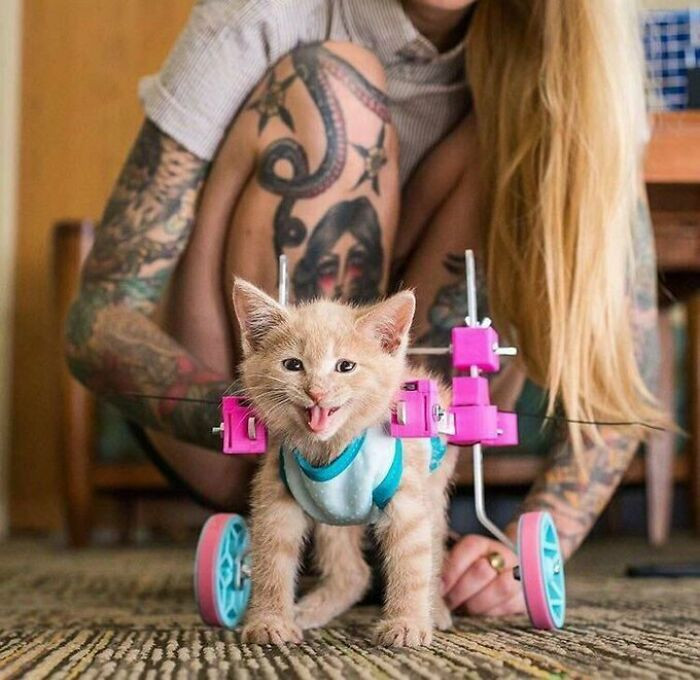
This isn’t just a parade of feel-good headlines. It’s a closer look at the complicated reality behind the photos, like Chloe the paralyzed kitten rolling happily in her custom wheels, or Ambrose getting radioactive iodine treatment, while people around them keep choosing care over pity. Even the adoption stories, like Milo at Furball Farm Pet Sanctuary, add another layer, because they show how messy “unwanted” can be once a family actually shows up.
And once you see how quickly these cats turn strangers into caretakers, you start wondering what you’ve been assuming all along.
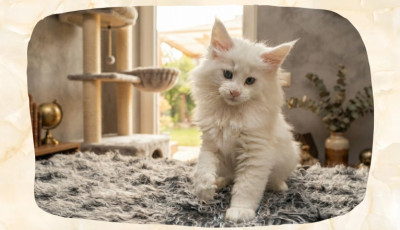
"All Cats Are Gorgeous"
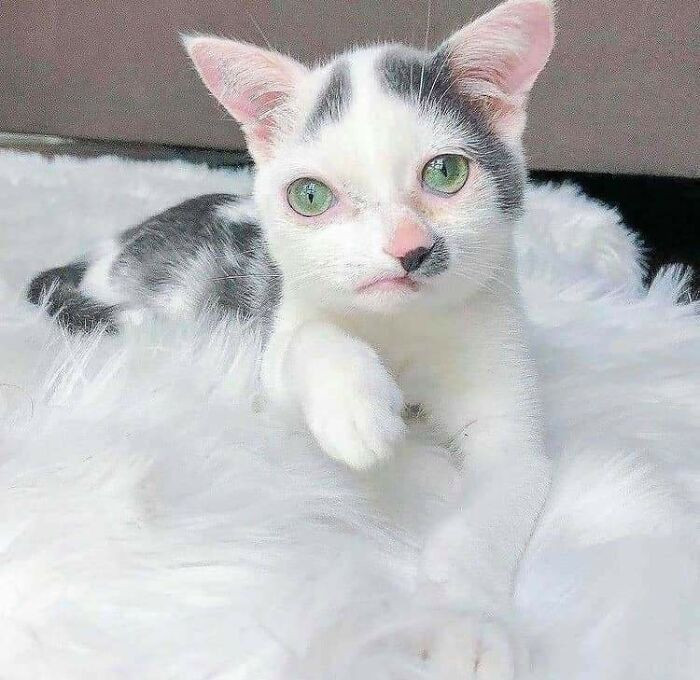
"Chloe The Paralyzed Kitten Is So Happy In Her 3D-Printed Wheelchair!"
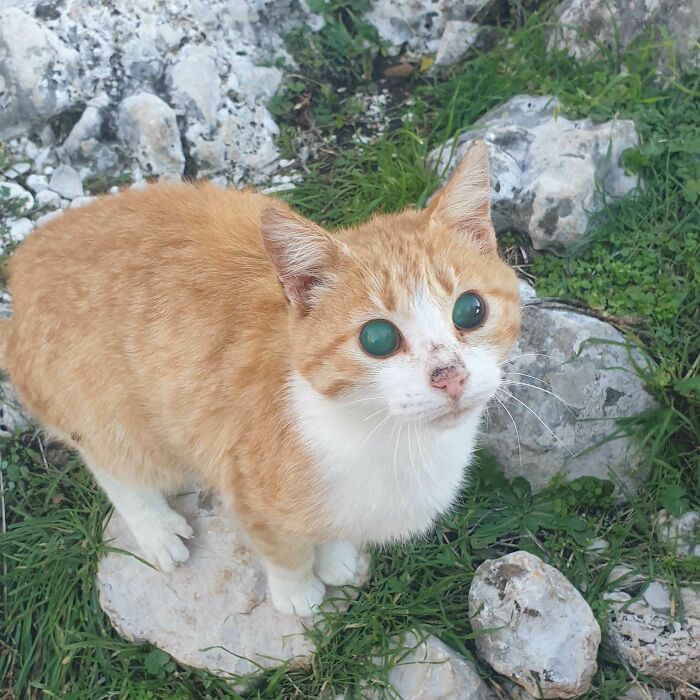
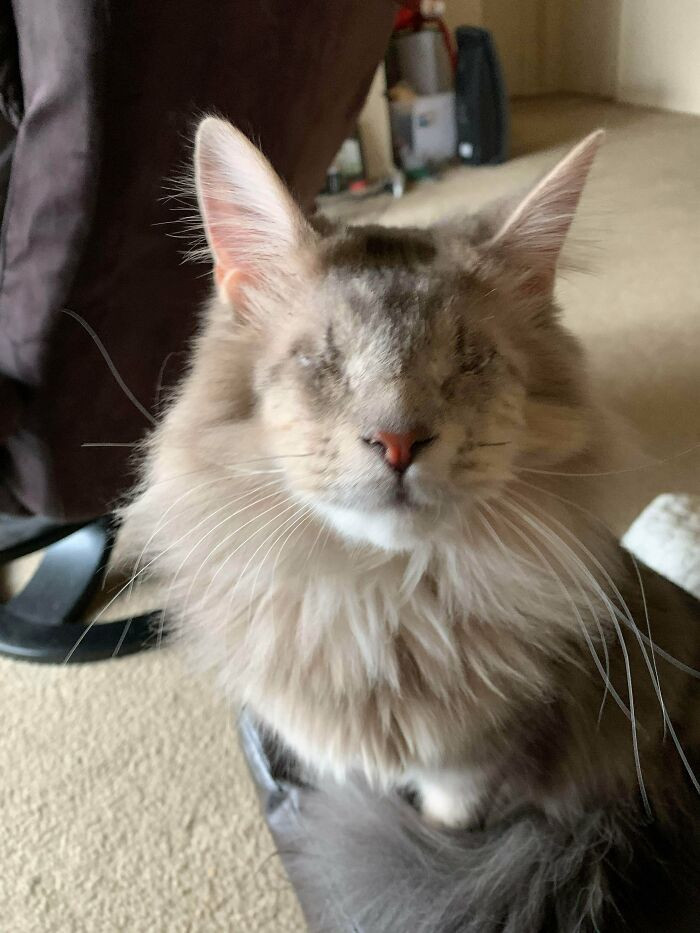
"A Small And Very Friendly Blind Cat Found While Hiking In Montenegro!"
The Heartwarming Reality of Disability
This article shines a light on the often overlooked emotional intelligence in disabled animals. It’s truly striking how these creatures, like the three-legged cat mentioned, seem to embody resilience without an ounce of self-pity. They navigate their worlds with such grace that it challenges our perceptions of normalcy.
In a society that often views disability through a lens of tragedy, these animals remind us that strength can manifest in unexpected ways. The article encourages us to rethink our assumptions about what it means to be whole or incomplete.
Building Community Through Compassion
The article doesn’t just celebrate disabled animals; it builds a sense of community around them. The shared stories of readers who’ve adopted or cared for disabled pets create a network of compassion and understanding. This sense of community can inspire others to lend a hand or open their homes to animals in need.
It’s a reminder that we’re all in this together, and that compassion can lead to transformative change.
"Ambrose, My Old Blind Kitty, Is Getting Radioactive Iodine Treatment Today. Wish Him Luck!"
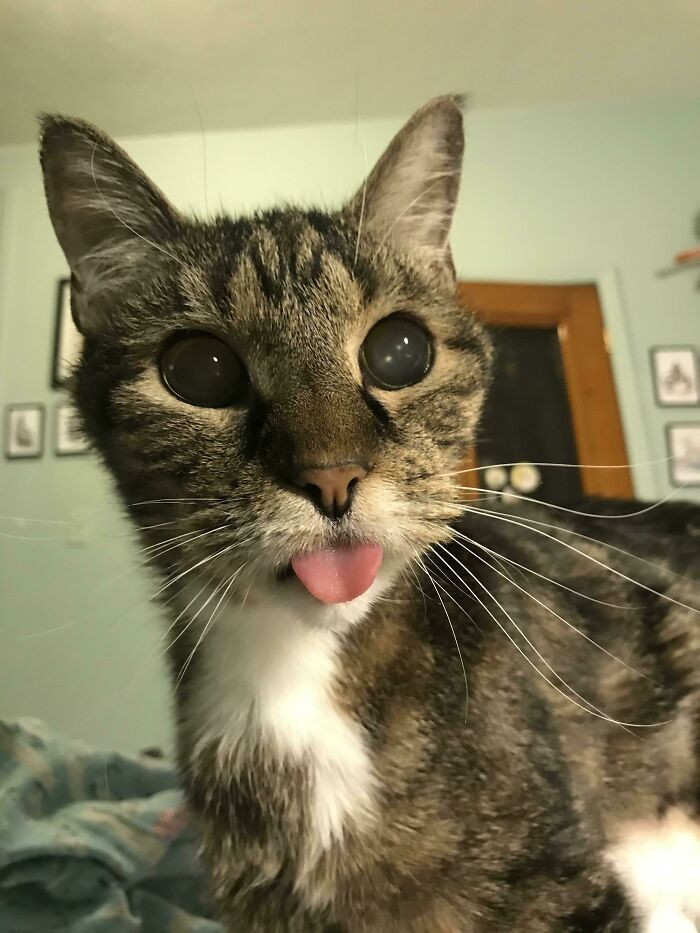
"Meet Milo, He's A Kitty At Furball Farm Pet Sanctuary, An Organization That Only Takes In Unwanted Cats"
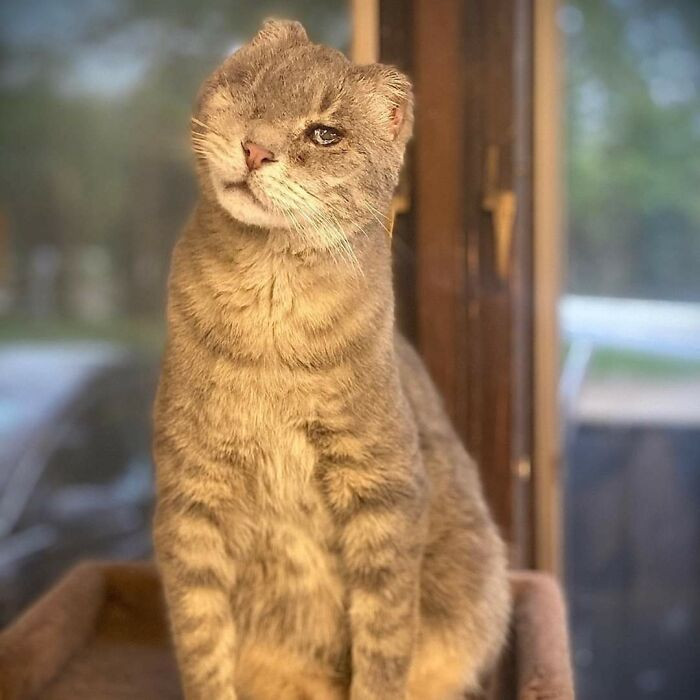
"It's A Match!"
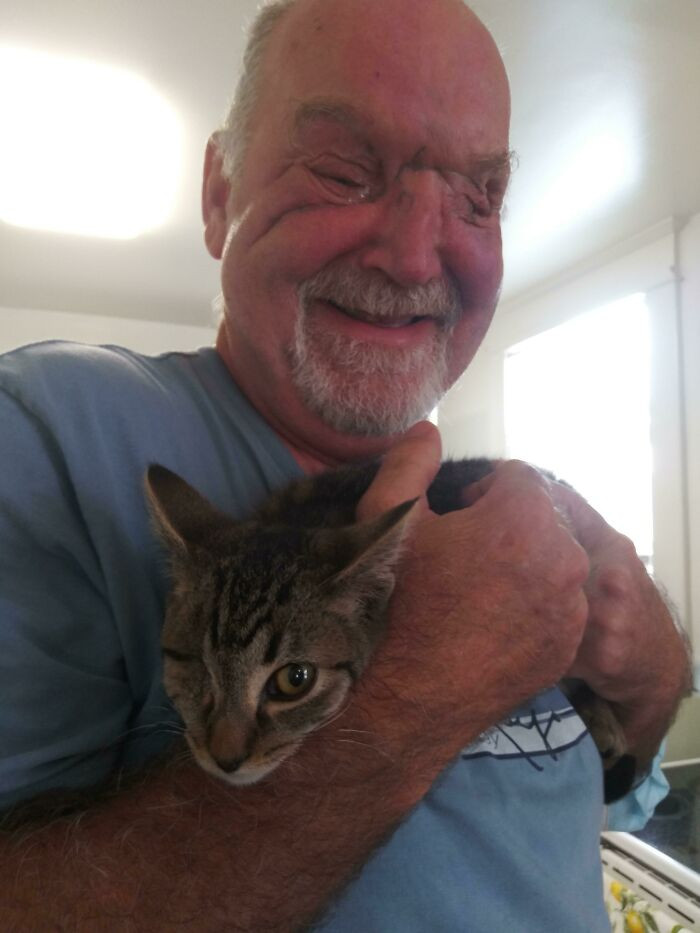
The Emotional Connection
What really resonates here is the emotional connection people often form with disabled animals.
"This Little Guy Has No Nose And Is Missing An Ear, But Is A Very Friendly Neighborhood Cat. He Goes By Voldemort"
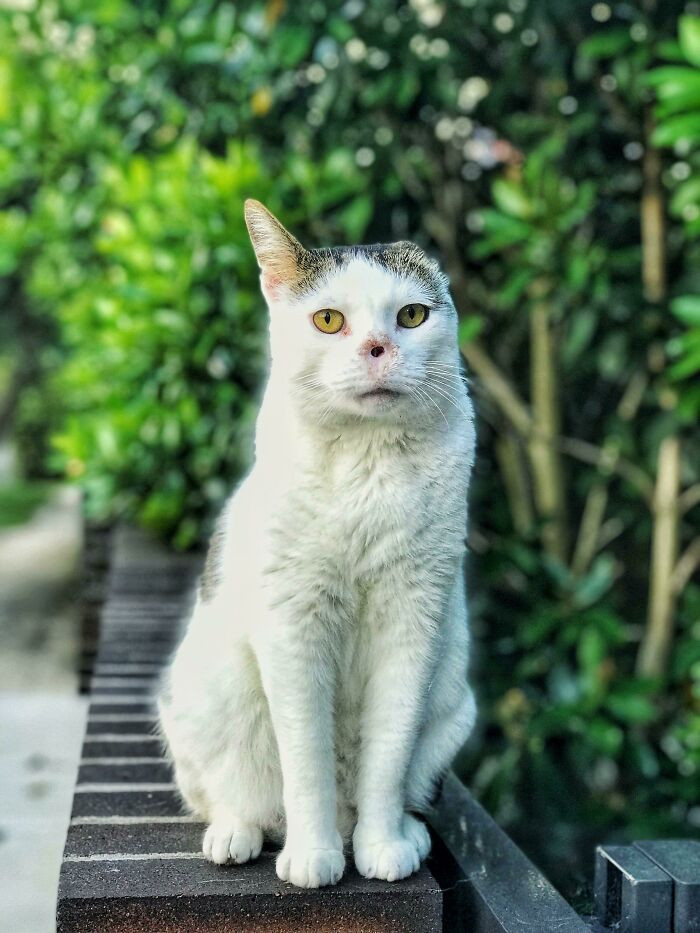
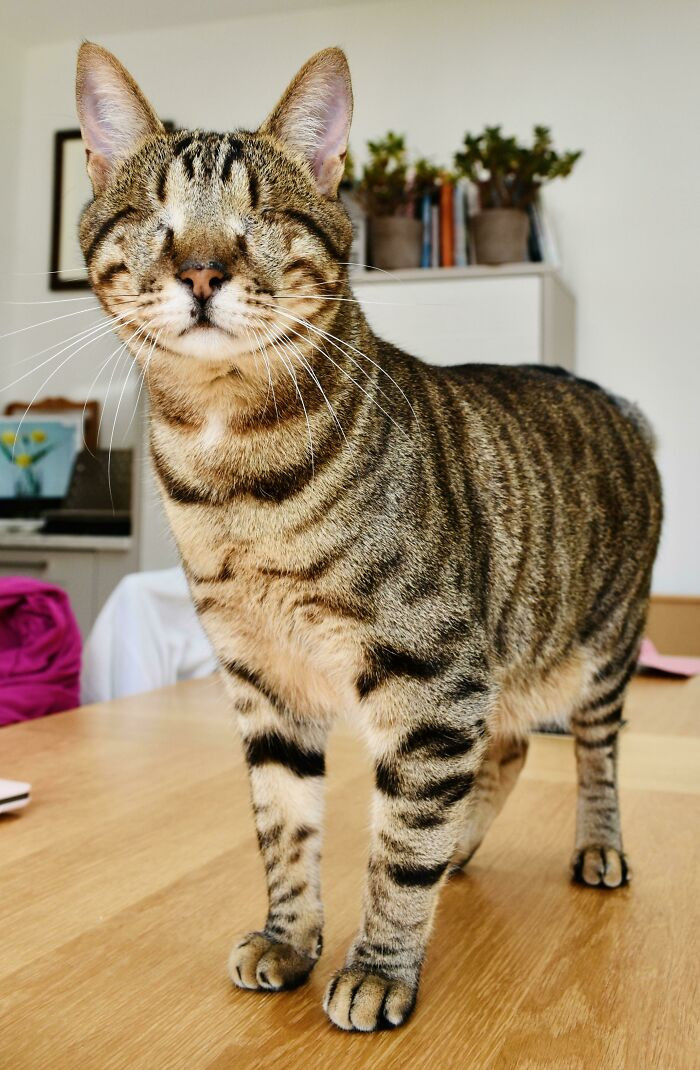
"Meet Dmitri, 2-Year-Old Blind Rescue Tabby From Greece 💖"
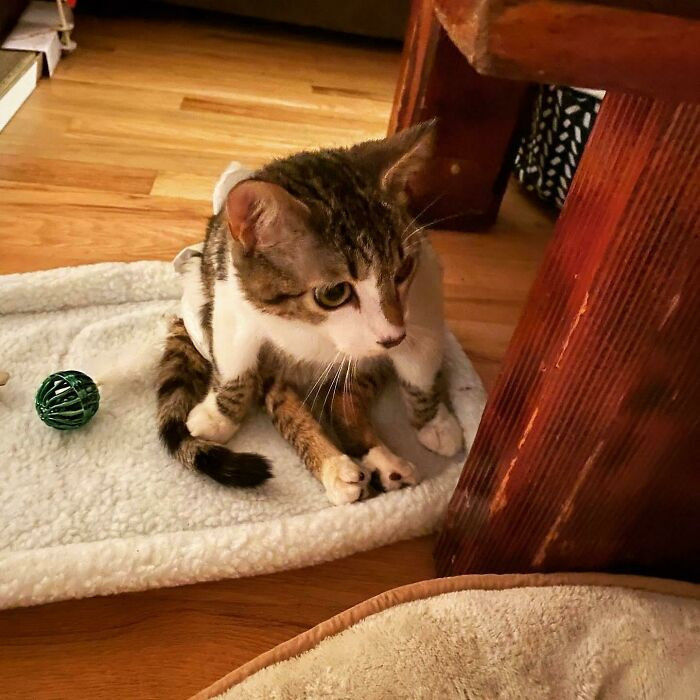
"He Was Found With A Bullet In His Back. He’s Paralyzed And Will Be Spoiled And Loved Forever"
Then Chloe the paralyzed kitten’s 3D-printed wheelchair makes it impossible to treat this like a sad story, because she’s just… thriving.</p>
Cultural Narratives of Disability
This piece challenges the prevalent cultural narratives that often paint disability in a negative light. Instead of focusing on loss, it highlights the vibrancy of life that continues despite physical limitations. By showcasing these 38 disabled animals, the article nudges us to confront our biases and to appreciate the beauty that can exist alongside imperfection.
It’s a refreshing departure from the typical portrayals of disabled individuals, suggesting that our views on disability need a serious overhaul.
"Good Morning. Have A Nice Day"
"Our Cat With An Extra Chromosome"
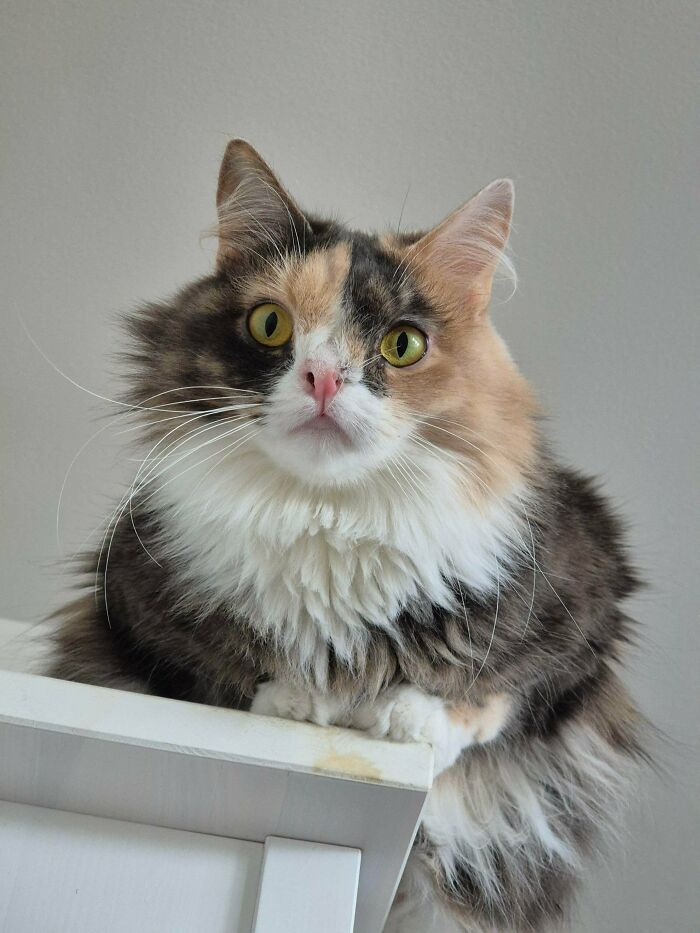
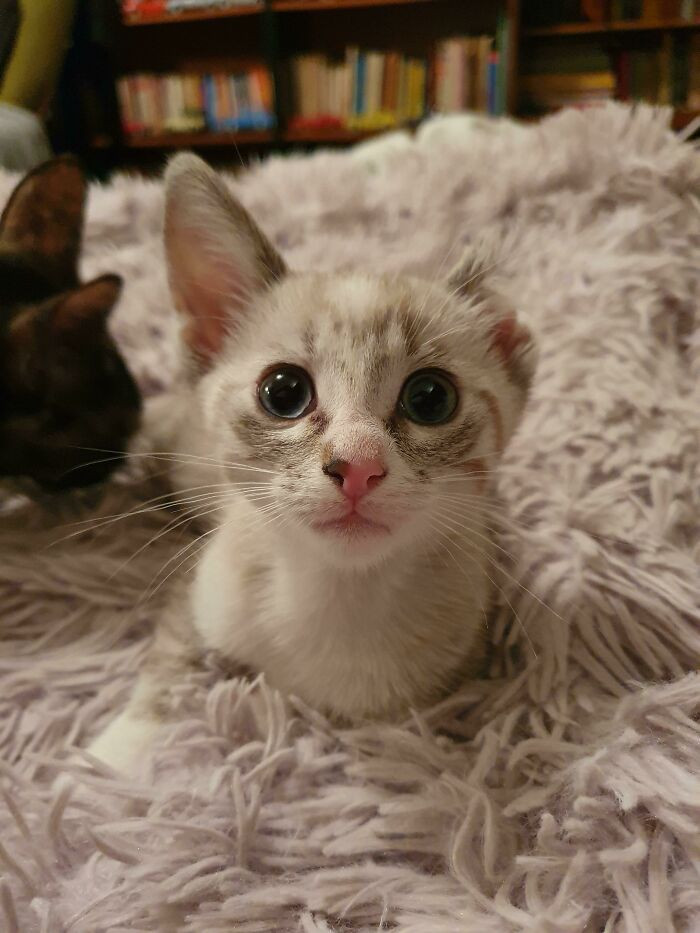
"Daisy, The Kitten Nobody Adopted Because Of Her Ear"
The article also indirectly points to the significant role animal shelters and rescues play in giving these disabled animals a chance at life. Many of these organizations work tirelessly to ensure that animals with disabilities aren’t overlooked or abandoned. The stories of these animals can inspire action and compassion, driving home the message that every life matters.
It’s a call to arms for readers to support these shelters and consider adopting animals who might otherwise go unnoticed.
"He Is So Cute ❤"
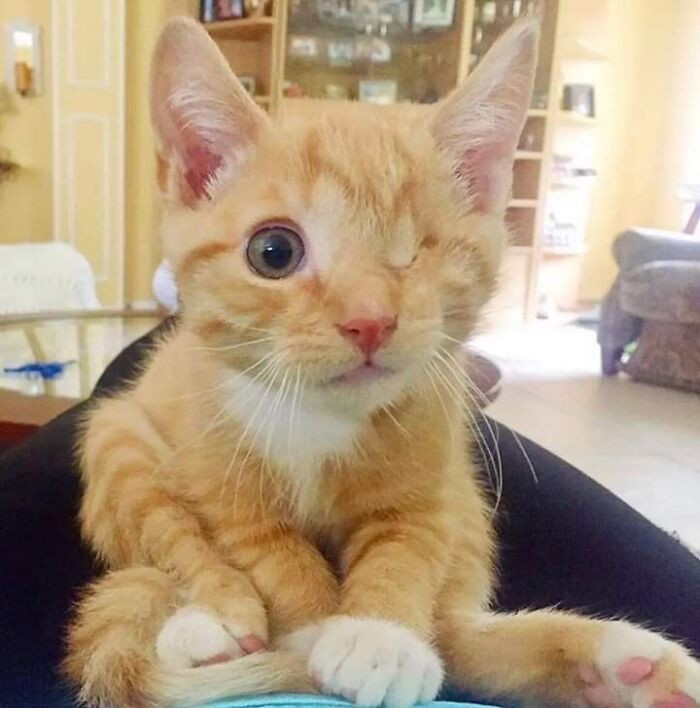
"What A Cutie"
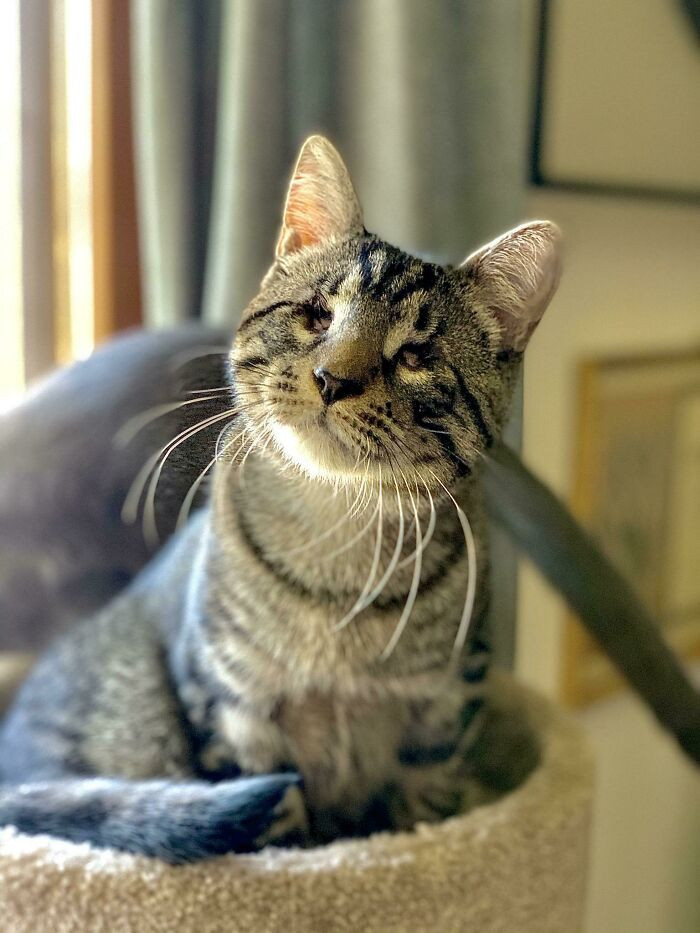
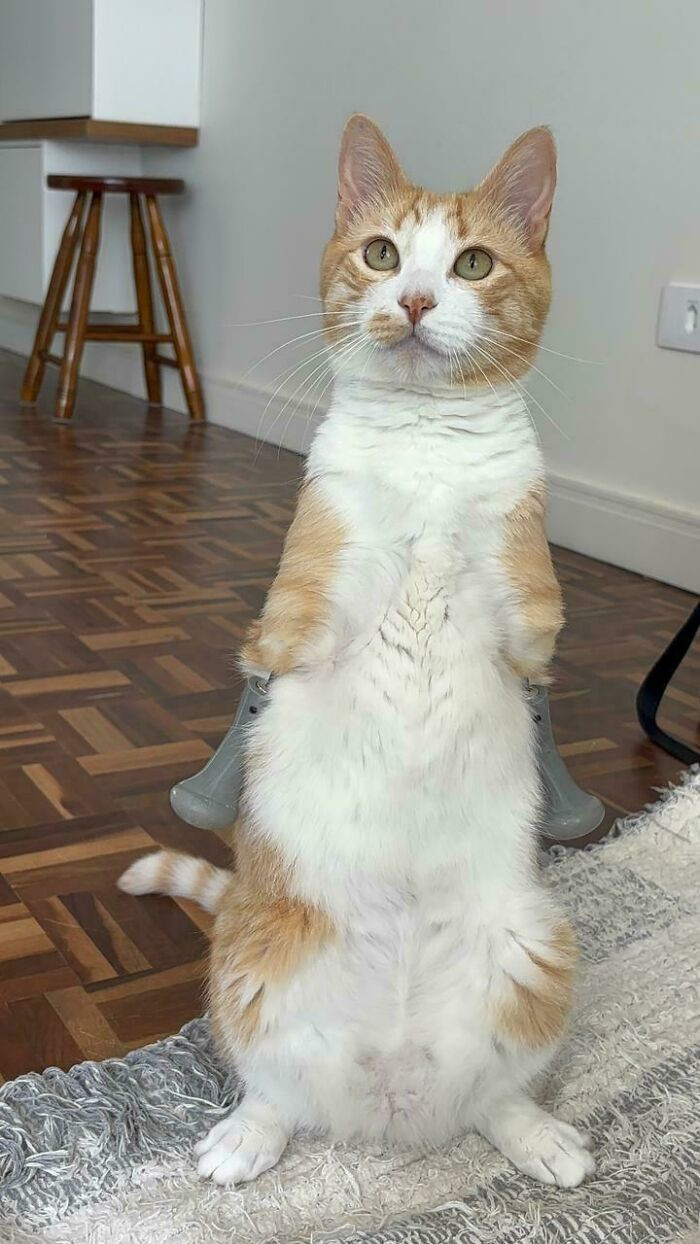
"My Little Two-Legged Athlete 🧡"
That’s when the Montenegro blind cat, found while hiking, shifts the mood from “rescued later” to “found in the wild, then loved anyway.”</p>
A Shift in Perspective
One of the most compelling aspects of this article is how it encourages a shift in perspective. The disabled animals featured aren’t just stories of struggle; they’re narratives of triumph and tenacity. This reframing invites readers to reconsider their own views on disability, pushing back against stereotypes that often equate disability with inability.
By presenting these animals as vibrant beings full of life, the article advocates for a more inclusive understanding of what it means to thrive.
"Meet Bermuda, 24 Hours Post-Op And She Turned Into A Picasso. 72 Hours And Nothing Stops Her From Living Life."
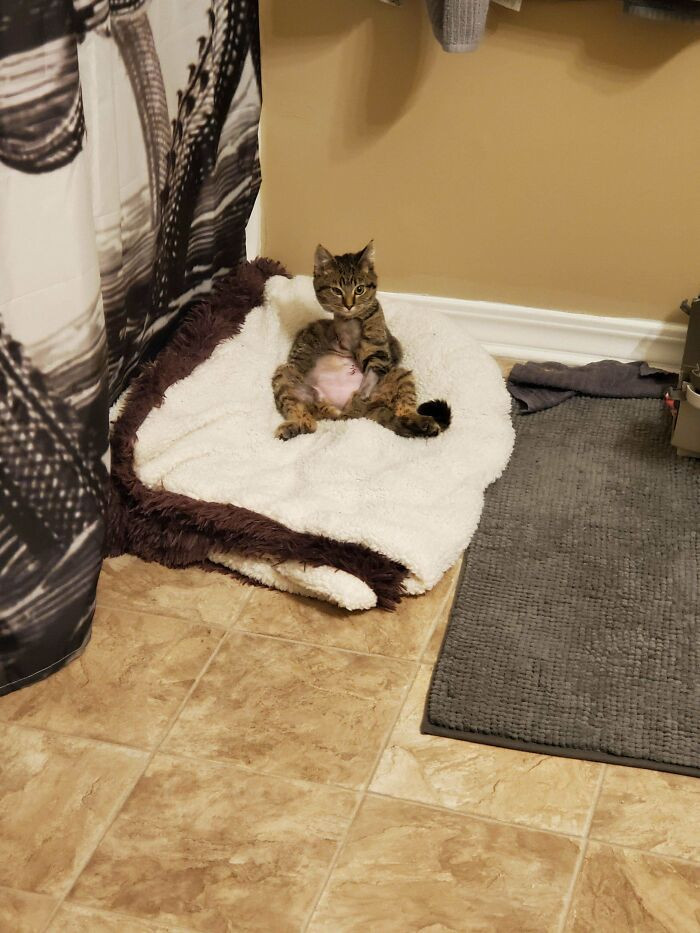
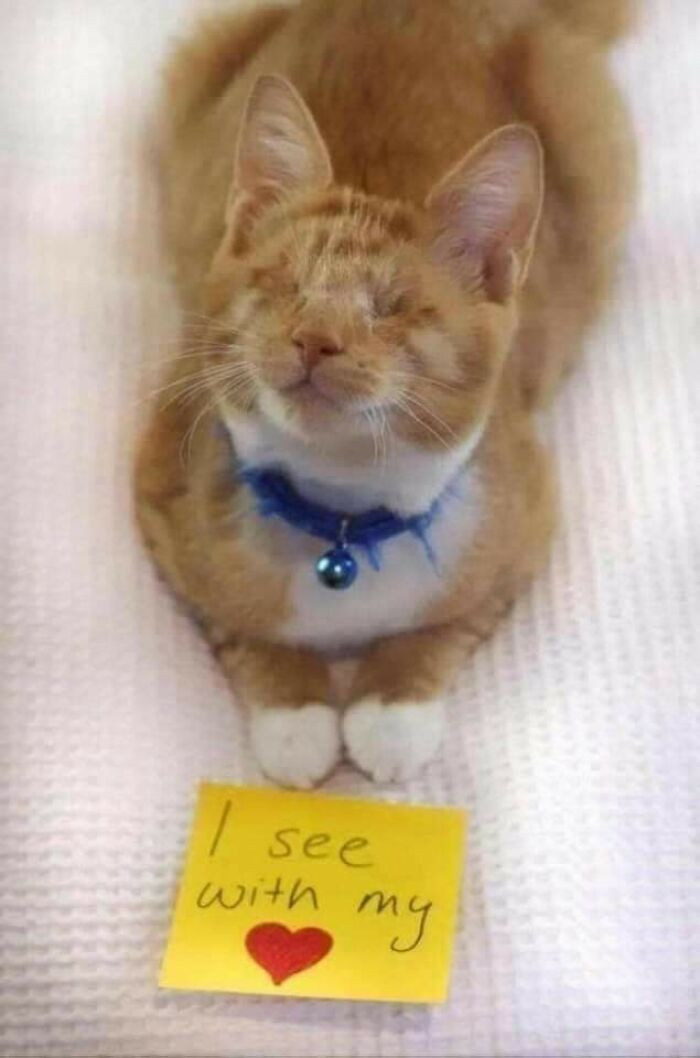
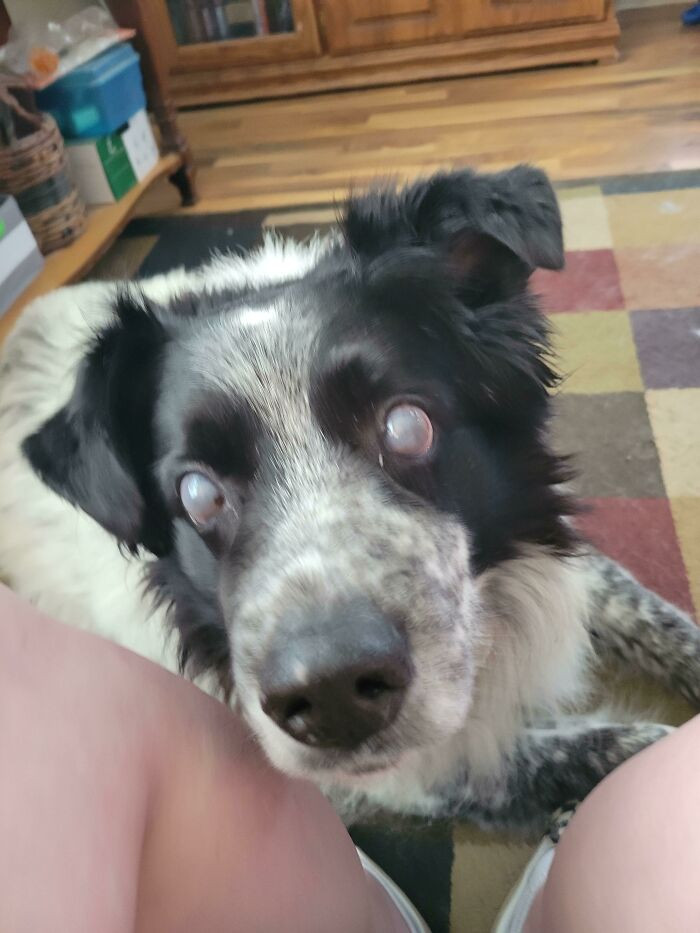
"They Are Blind But They Have A Lot Of Love"
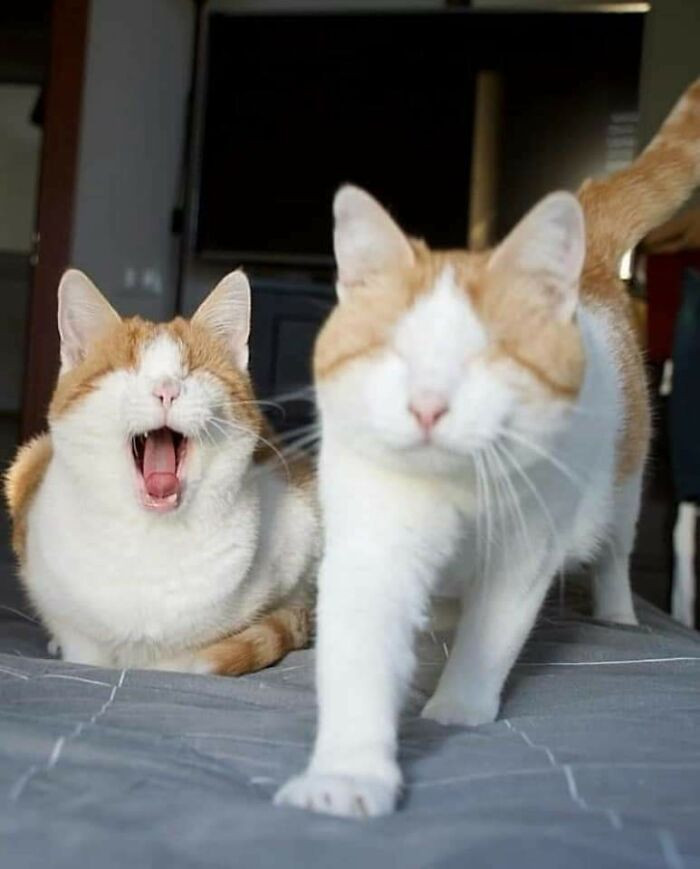
"Morning Blep From The Rescue Kitty, Mosi"
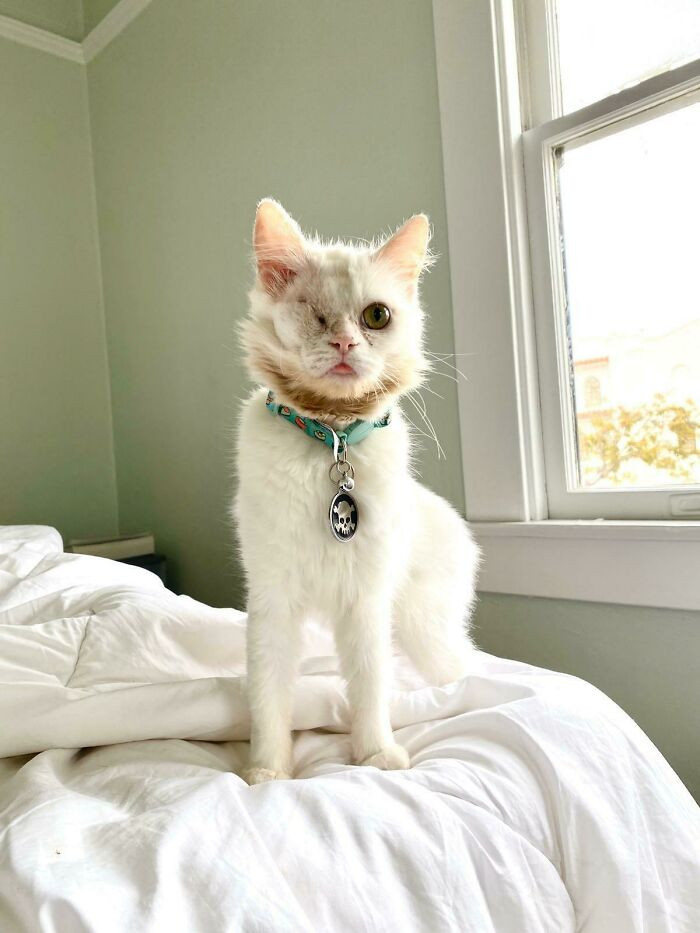
Community Response: A Mixed Bag
The community’s reaction to this article has been a mix of joyous celebration and poignant reflection. Many readers shared their own experiences with disabled pets, creating a tapestry of stories that highlight the unique bonds formed through adversity. However, some voiced concerns about the romanticization of disability.
This raises important questions about how we portray and discuss disability in media. Are we uplifting these animals or inadvertently glossing over their struggles?
And if you want “work ethic” with purrs, check out cats who sleep on your keyboard but keep “working” anyway.
"Tommy, The Chug"
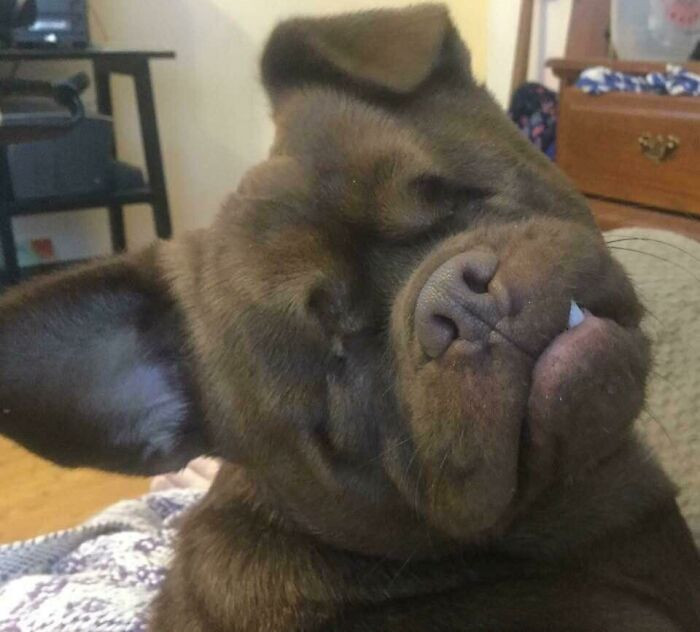
"Meet Turtle! He's A Blind Cat That Was Found Outside And Taken Home"
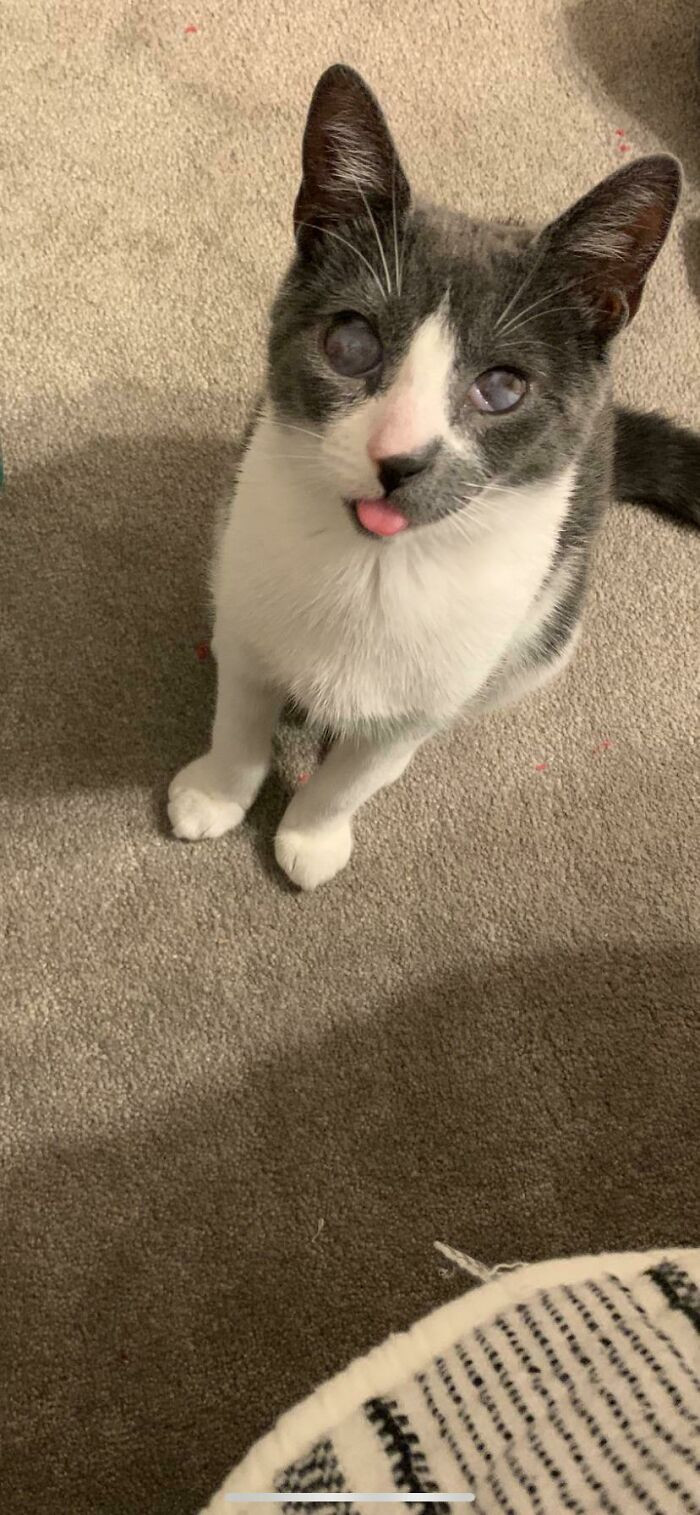
"Just A Girl, Living Her Best Life"
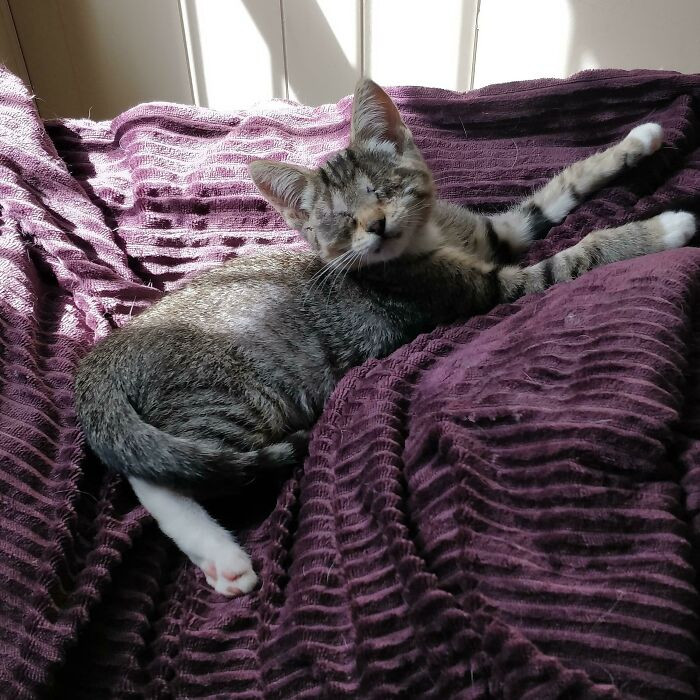
The Power of Representation
This article serves as a powerful reminder of the importance of representation in media. By showcasing disabled animals, it opens up a conversation about disability in broader contexts. Often, narratives focus on the hardships faced, but here we see joy, adaptability, and love.
Such representation is crucial not just for animals but for people living with disabilities, as it reinforces the idea that every being has value and worth, regardless of their physical capabilities.
"Scooter And Charley Are Cats That Can't Walk Or Climb Well"
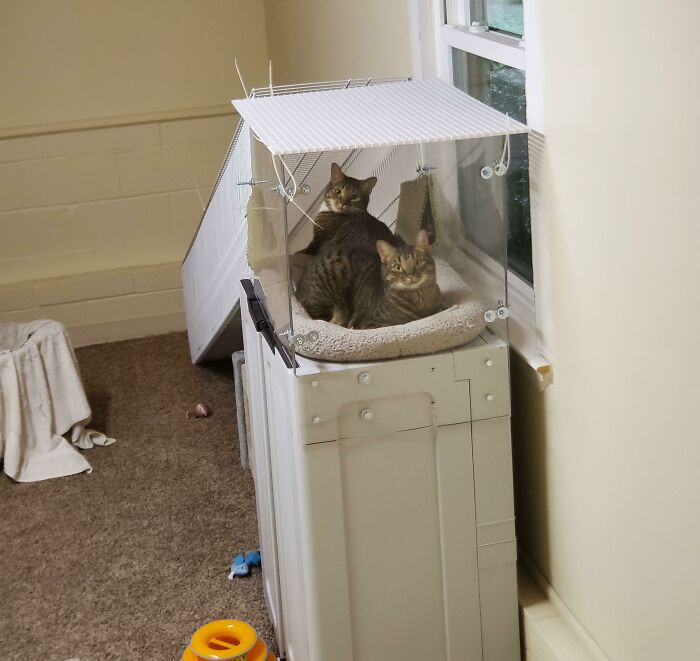
"Born Without One Paw But Still Living The Dream ♥️"
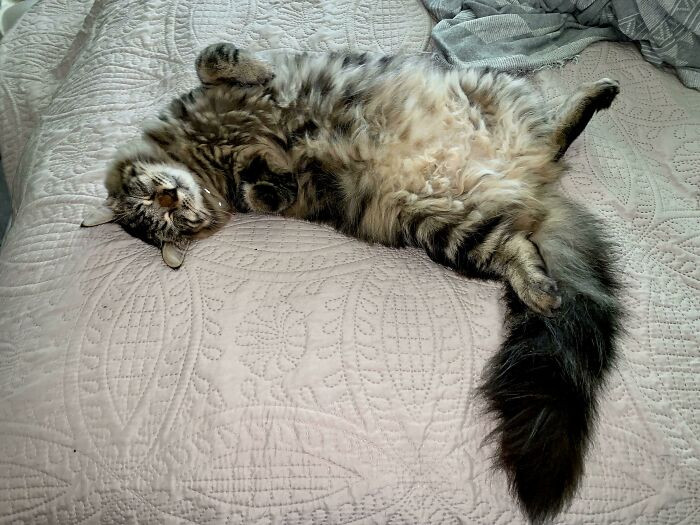
"Bill Has Gone Through Some Tough Times, But He's Sweet, Snuggly, And Is Now Well-Cared For In His Forever Home"
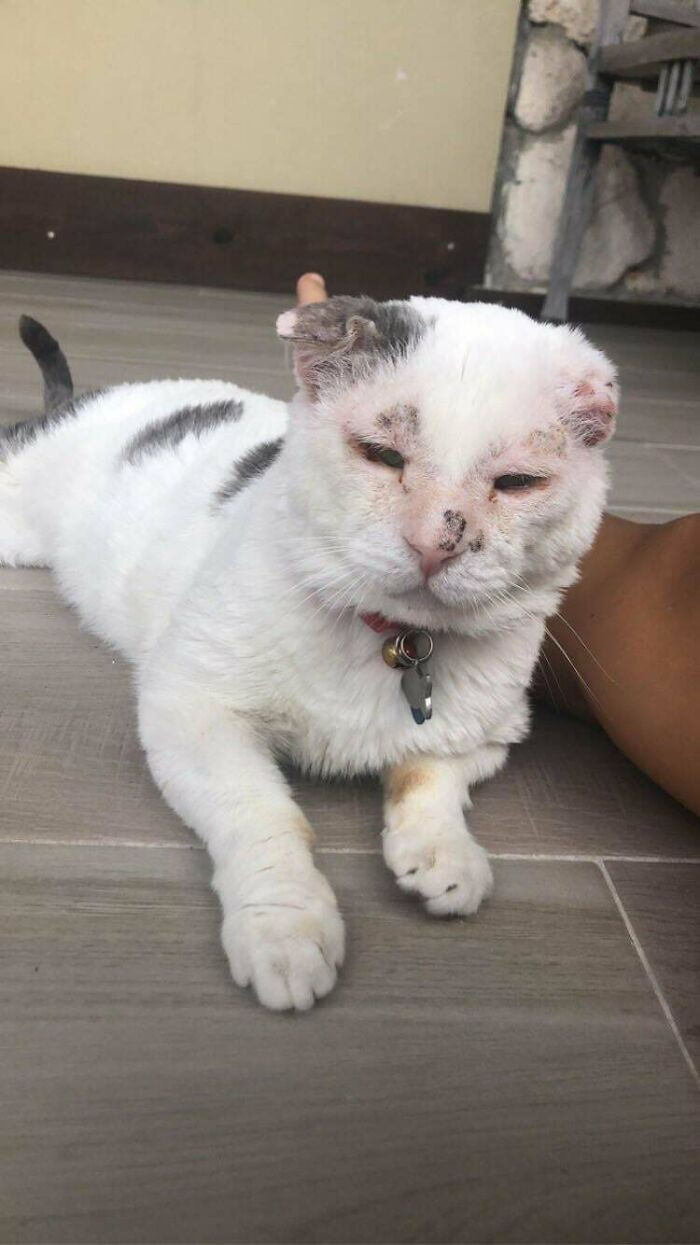
Next comes Ambrose’s radioactive iodine treatment, and suddenly the heartwarming tone has teeth, because someone is really showing up for him.</p>
Challenging Assumptions
The article does a fantastic job of challenging assumptions surrounding disability. Many people might think that a disability diminishes an animal's quality of life, but these stories illustrate otherwise. The featured animals show that fulfillment and joy can coexist with physical limitations.
This notion is refreshing and is sure to spark discussions among readers about the true meaning of quality of life.
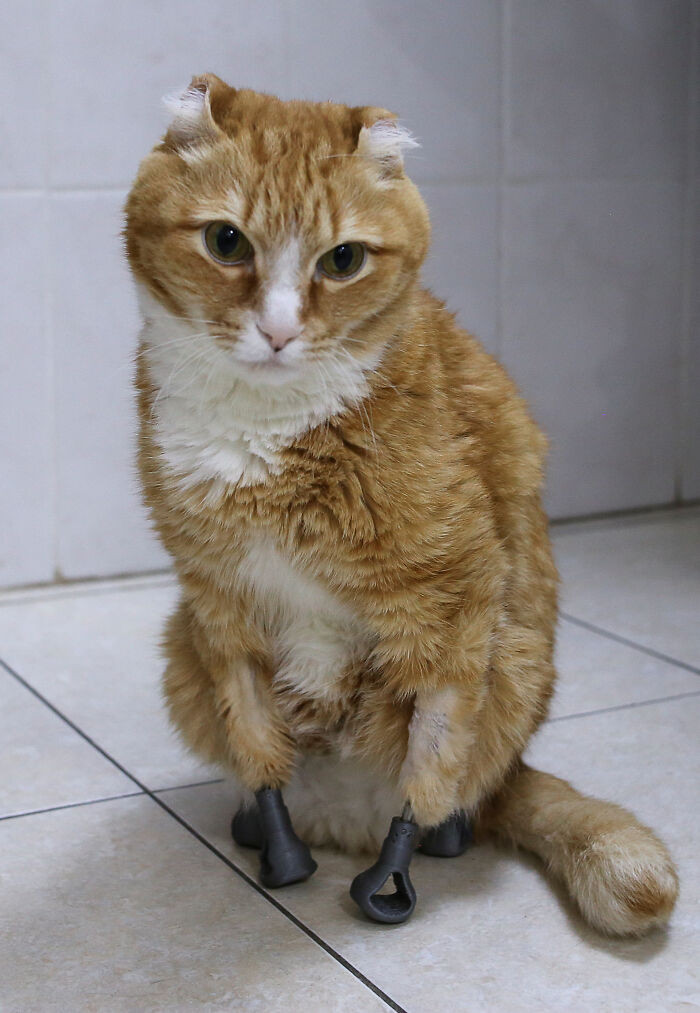
"This Special Guy Has New Paws"
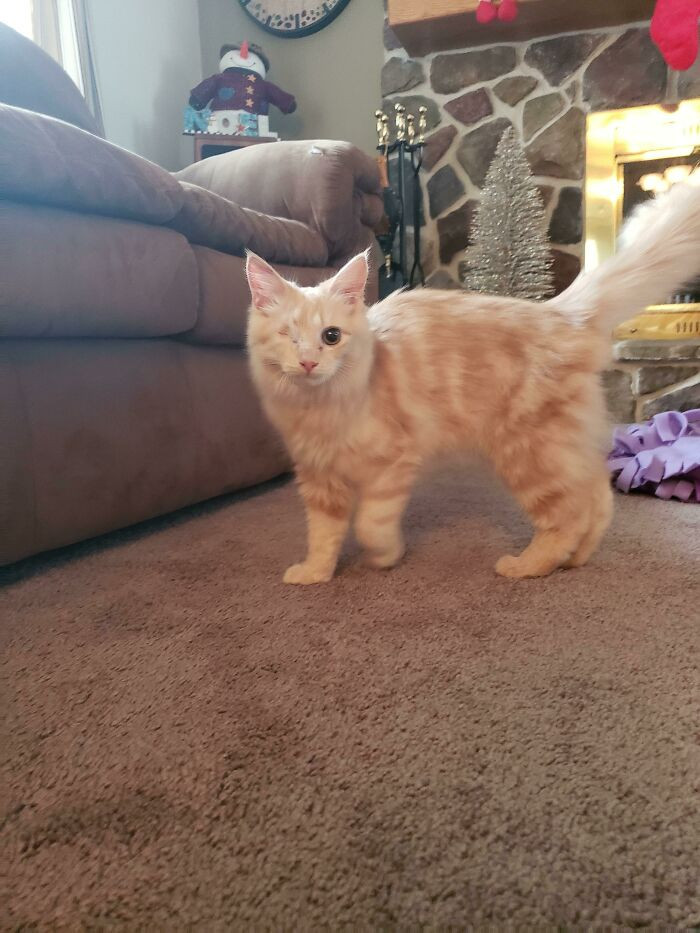
"This Is One-Eyed Rudy. He's Been Purring Ever Since He Arrived In His Forever Home"
"Avocado Is A Newly Adopted Cat"
The Future of Animal Adoption
As the article highlights these endearing disabled animals, it also subtly advocates for a shift in how we view animal adoption. The idea that a disabled animal is any less deserving of love and companionship is quickly dismantled. Readers are reminded that adopting an animal with a disability can be a deeply rewarding experience.
This could potentially lead to more adoptions within this community, changing the narrative around what it means to care for a pet.
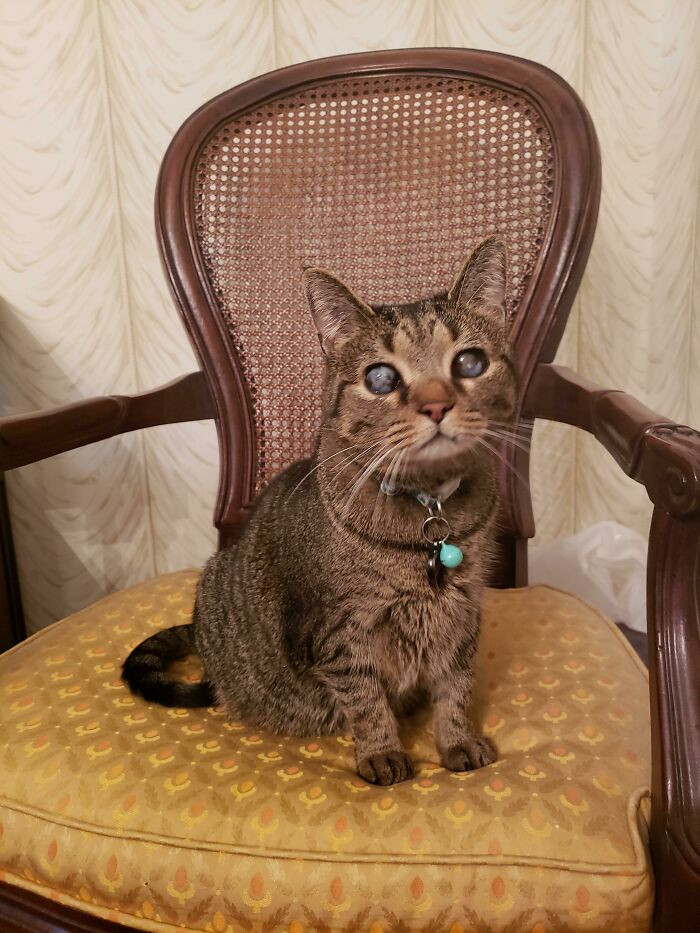
"My (Mostly) Blind Rescue Cat, Pansy, On Her Throne"
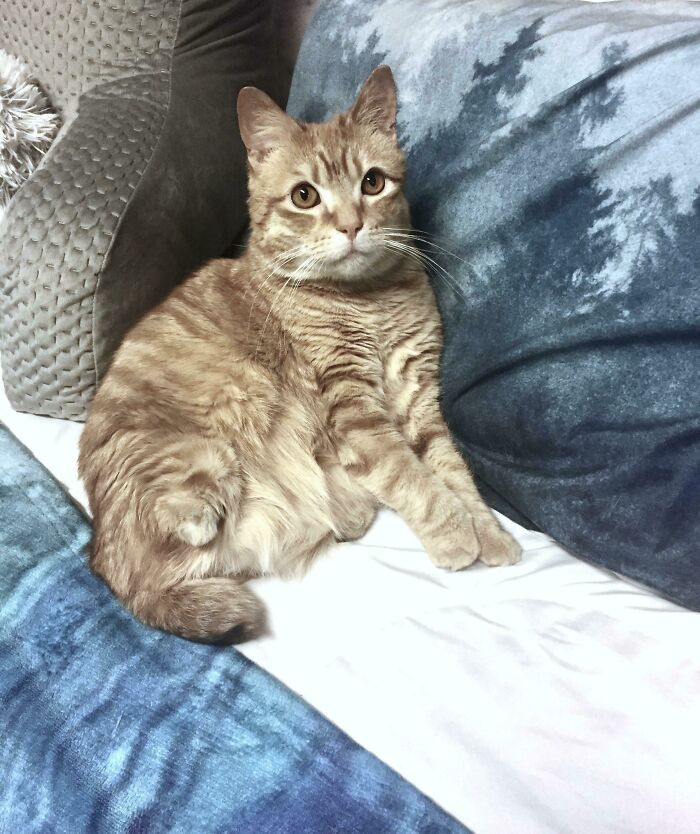
"Love At First Nub: My Special 2-Legged Ginger Boy 💙🐱"
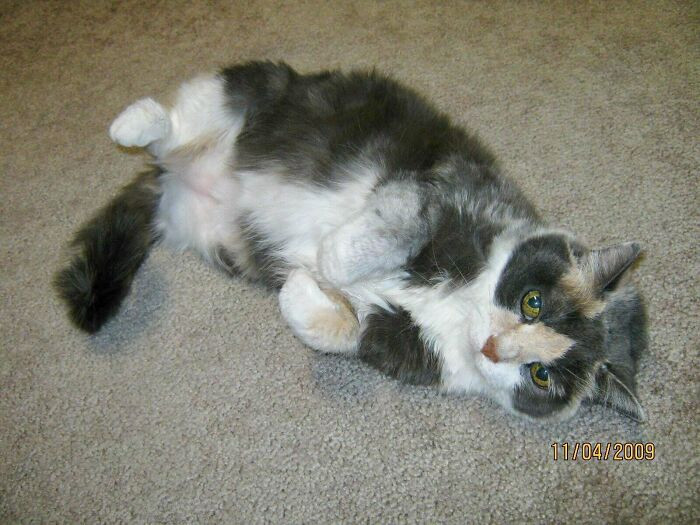
"Throwback To One Of My Childhood Kitties, Tripaw’d Annabelle!"
Emotional intelligence in animals, particularly those with disabilities, is a fascinating area that this article touches upon. As readers learn about these animals’ capabilities to bond and connect, it’s a reminder that emotional depth isn’t exclusive to able-bodied beings. This recognition can help bridge gaps in our understanding of animal behavior and empathy.
It’s a powerful argument for why we should take the time to understand and appreciate the emotional lives of all creatures.
"Special Blep For A Special Cat"
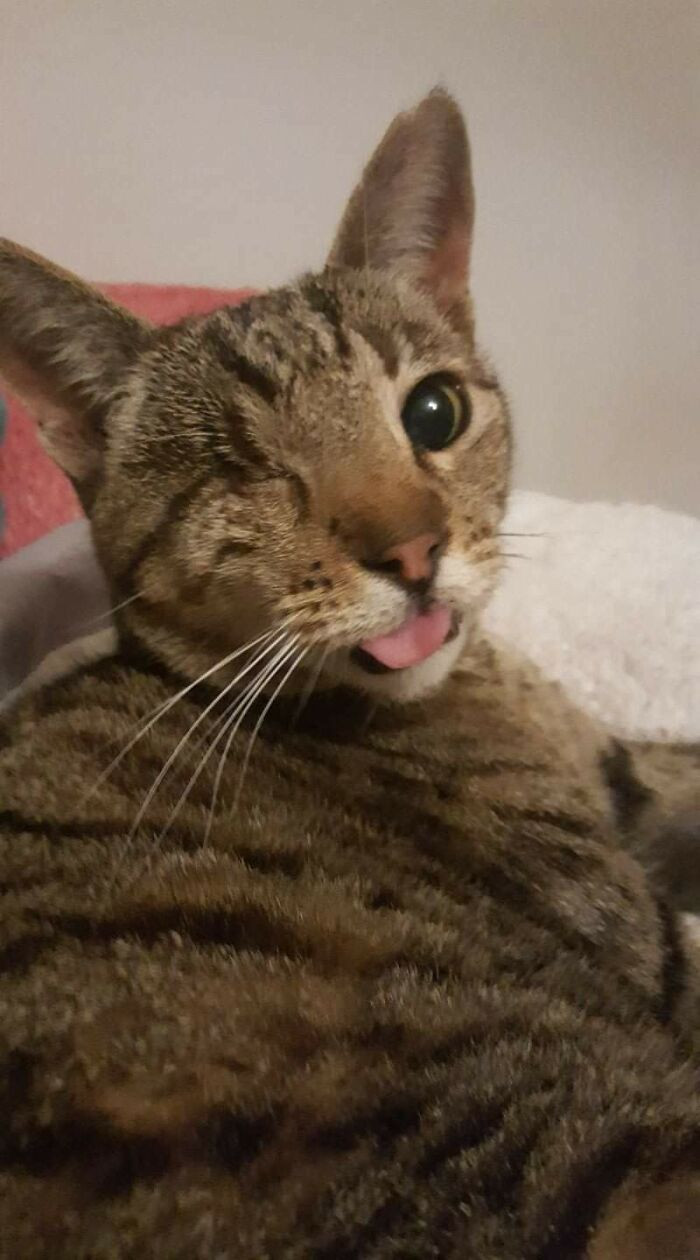
"New Computer Monitor Means New Box For Newman!"
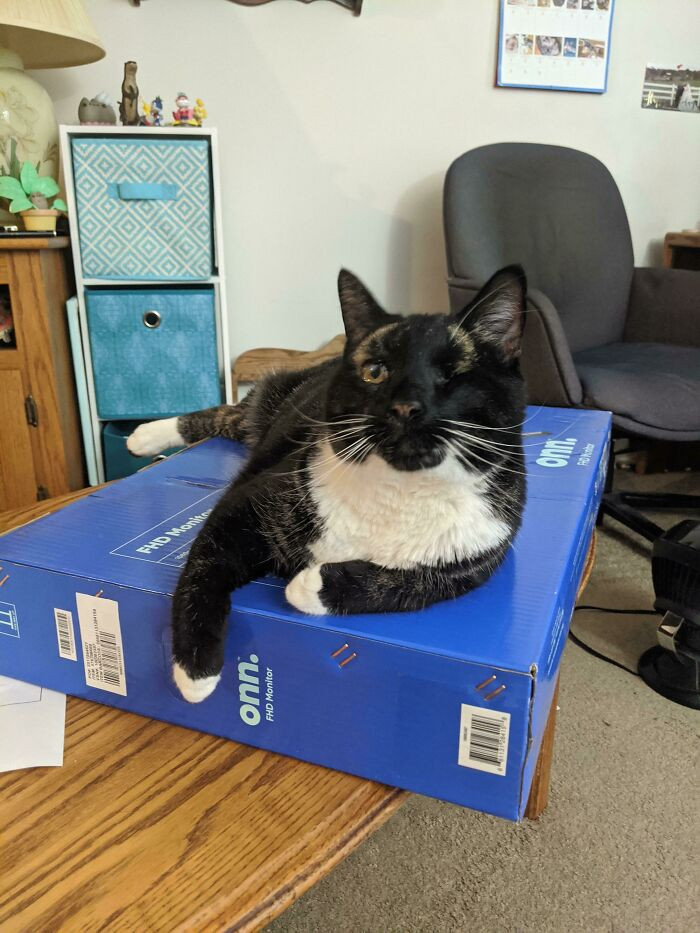
"One-Eyed Willie"
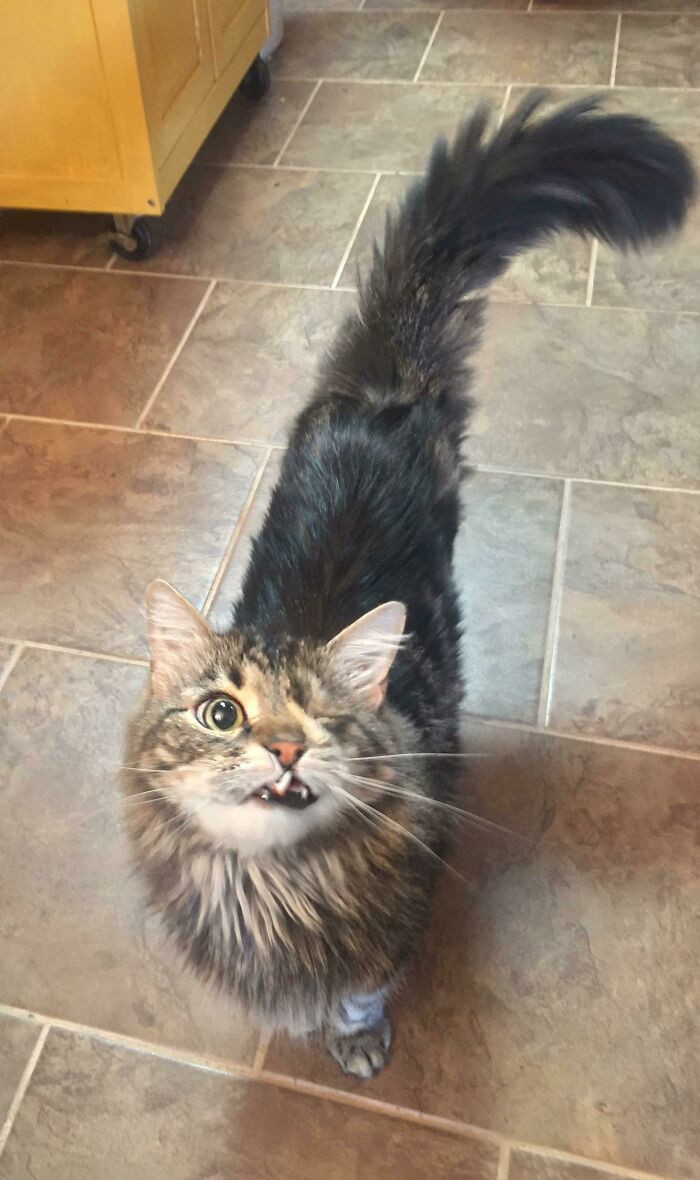
Finally, Milo at Furball Farm and “It’s a Match!” flips the whole narrative, because the cats are not the tragedy, the people are the difference.</p>
Raising awareness about disabled animals is a crucial step toward fostering a more compassionate society.
"Coming Down Off Pain Meds, Hank Is An Official Pirate Kitty!"
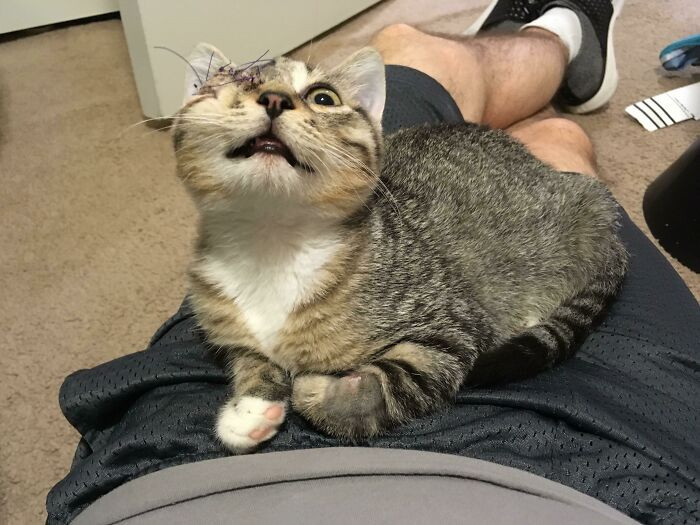
"One-Eyed Cutie"
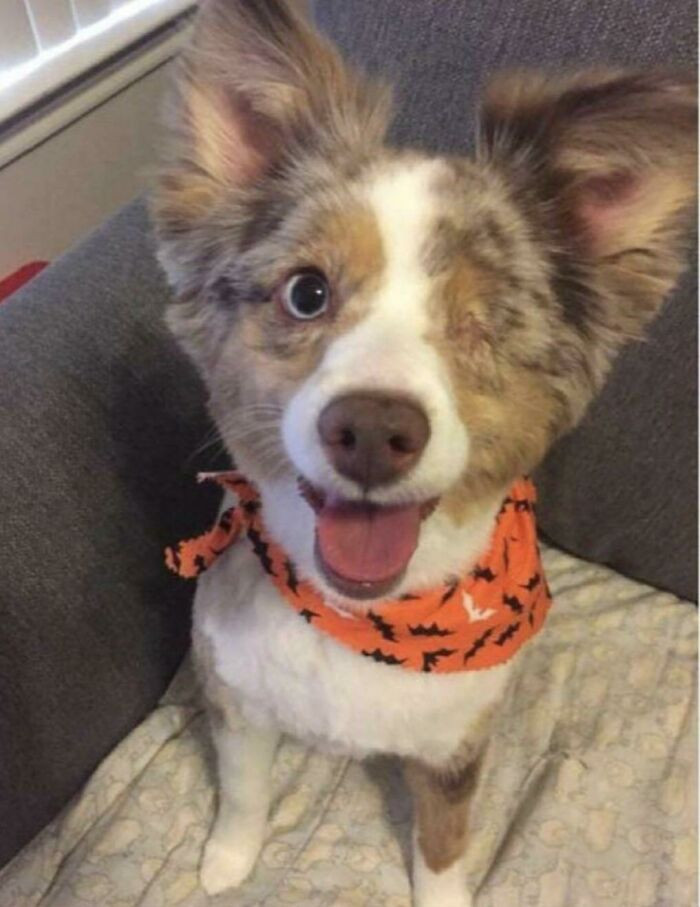
"Ailbhe Was Born With Short Spine Syndrome—Still Chases Frogs Like A Pro!"
The Journey of Acceptance
These animals’ journeys also symbolize a broader narrative of acceptance. They don’t dwell on their disabilities; instead, they adapt and thrive. This can serve as a metaphor for human experiences with adversity. The article encourages readers to reflect on their own struggles and how they can find strength in vulnerability.
It’s this connection that makes the article resonate; it’s not just about animals, but about life itself.
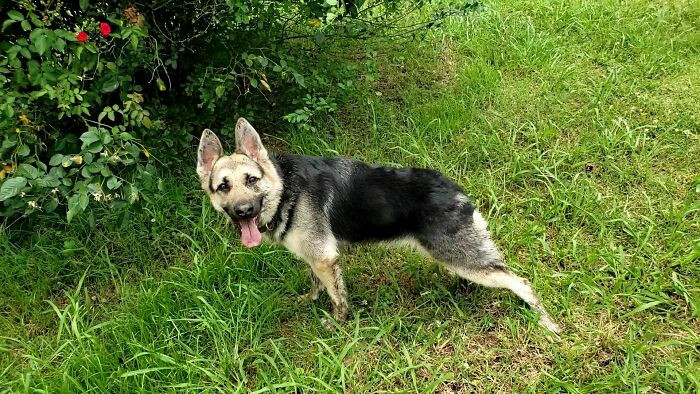
"My Air Conditioner Was Out, So We Went To My In-Laws' House To Stay Cool, And Ace Stayed Around Me The Whole Time."
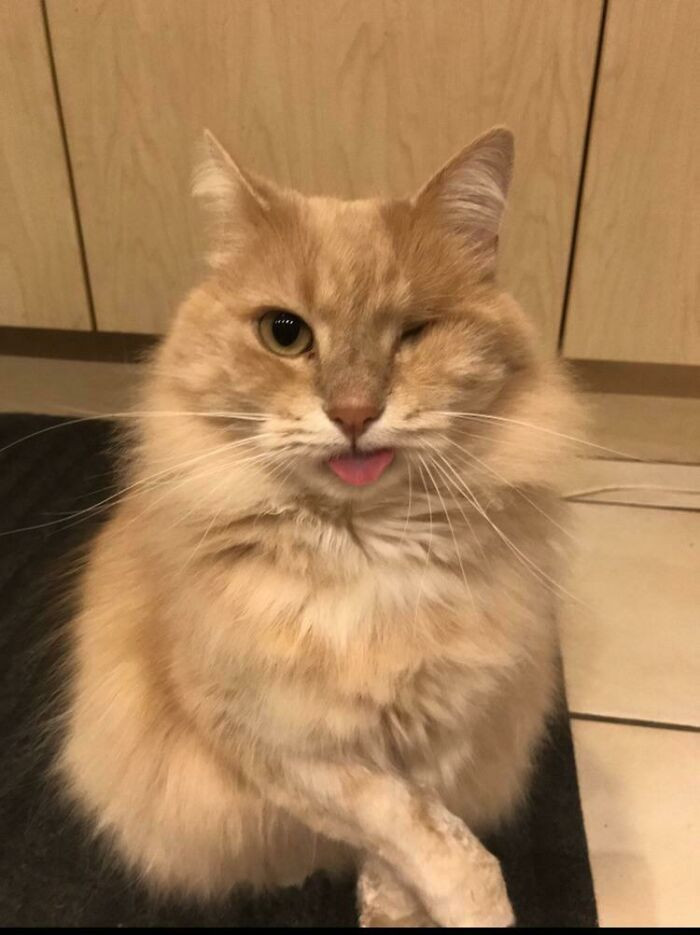
"One-Eyed Blep"
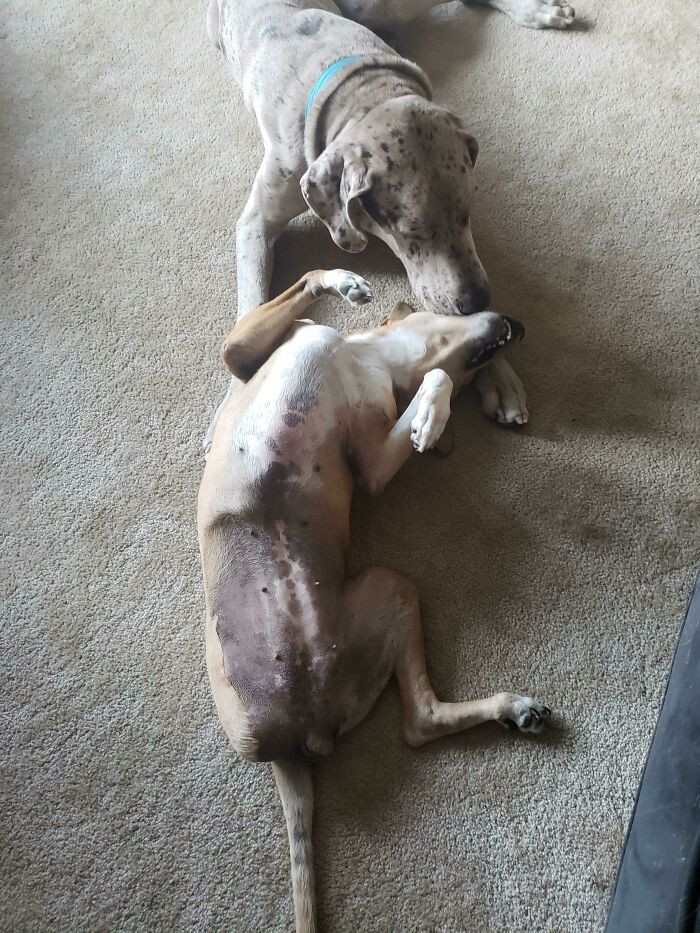
"My Great Dane Playing With My Disabled Rescue"
Why This Matters
At the heart of this article is a powerful message: disability doesn’t diminish value. It’s a simple yet profound truth that can reshape how we approach both human and animal disability. By featuring these 38 disabled animals, the article holds a mirror to society, prompting reflection on our attitudes and actions.
The discussion it ignites is crucial in creating a more inclusive world for everyone, regardless of ability.
"This One-Legged Dog, Not Mine"
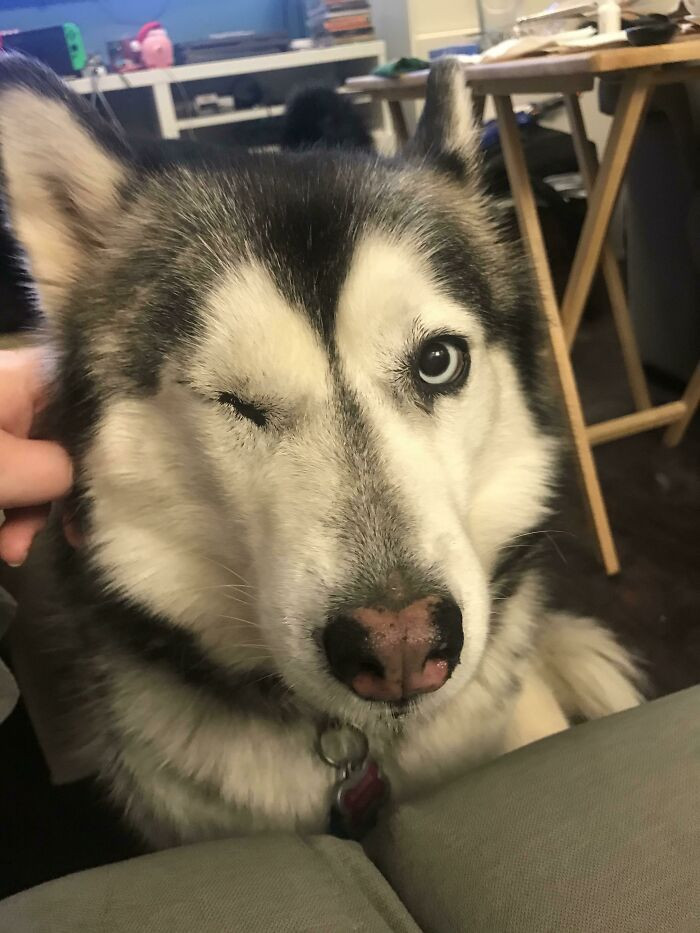
'A more recent picture of my baby girl, two months after enucleation. I may be biased, but she’s still gorgeous."
In a world that measures worth by capability, disabled animals quietly dismantle every flawed assumption we hold. They do not fight their limitations—they simply ignore them, moving forward with a grace that most humans spend a lifetime chasing.
Their resilience is not performance; it is pure, unfiltered nature. If anything, they remind us that strength was never about having everything intact—it was always about what you do with what remains.
The Bigger Picture
This article is more than just a collection of heartwarming stories; it’s a call to change how we view disability in animals and beyond. By showcasing the resilience and emotional depth of these disabled creatures, it challenges stereotypes and encourages empathy. So, what do you think? How can we continue to shift the narrative around disability to foster greater acceptance and understanding in our communities?
These cats don’t steal your heart by trying, they just make you realize you were always ready.
For more internet backlash turned love, see how owners tried to shame these 47 naughty pets online.
Share this article: