
12 Black Animals With Some of Nature’s Darkest Coats and Skin

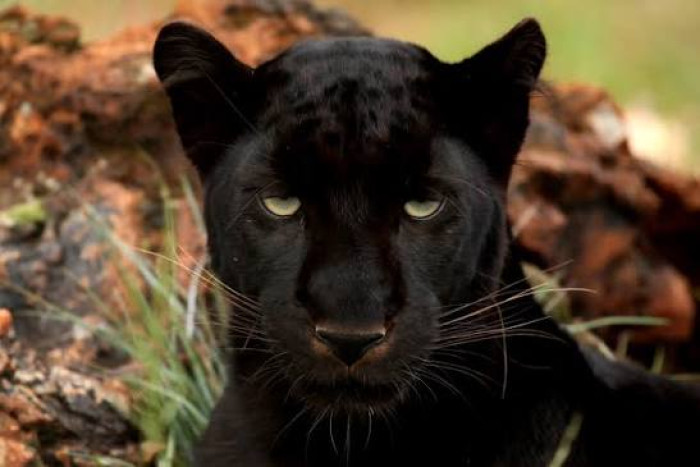
A 28-year-old woman refused to call it “just black” after she saw a black panther’s coat look like a solid ink blot in one photo, then reveal ghosted rosettes the moment the light hit from the side. It was the kind of detail that makes you rethink everything you thought you knew about color, pattern, and camouflage.
She went down the rabbit hole with the rest of the dark-coated crew, from a black swan with a bright red bill and hidden white flight feathers, to a common raven whose “black” turns blue, green, or purple in the right sun. And it gets even trickier when you remember that some animals are naturally black, like the siamang’s normal shaggy coat, while others show melanism, which can flip the whole look.
By the time she got to the black caiman, she wasn’t just staring at darkness, she was hunting for what makes it move.
Black color can be pigment, pattern, or both
Melanin is one of the main pigments behind dark animal coloration. More melanin can produce darker fur, feathers, skin, or scales, but the final appearance depends on structure and lighting too. A raven can look blue-black in sunlight.
The Smithsonian’s National Zoo describes the siamang as having a long shaggy black coat, a normal species trait rather than a rare mutation. That difference between normal coloration and melanism is worth keeping in mind as we go.
1. Black panther
“Black panther” is not a separate species. The name usually refers to a melanistic leopard or jaguar. Their coats can look solid black until side lighting reveals ghosted rosettes underneath.
Seen in its normal habitat, the shade can read very differently from a close-up photo because background, distance, and light all change the contrast.
Pupperish has collected photos of black panthers that make the hidden pattern easier to see. It has also followed the unusual friendship between a black panther and a Rottweiler.
2. Black swan
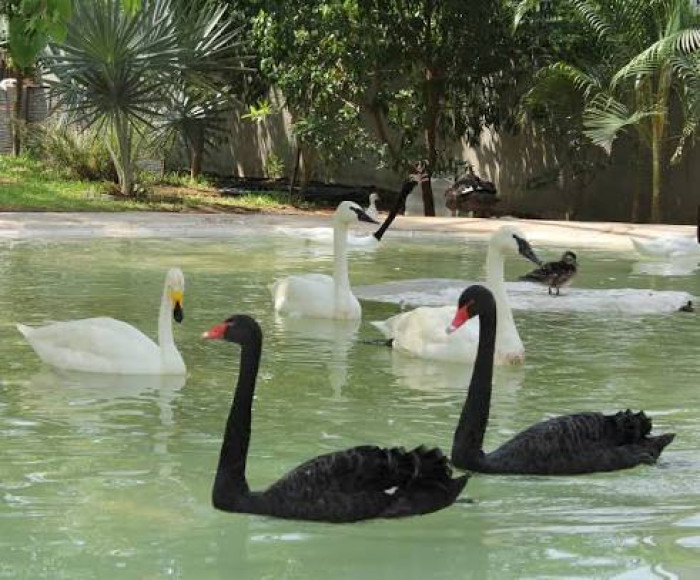
Black swans carry mostly dark plumage with a bright red bill, while white flight feathers can appear when the wings open. The combination is dramatic because the bird’s body is so consistently dark at rest.
The useful detail is that the color is part of a whole body pattern, not an isolated patch of paint, so texture and neighboring markings change how we perceive it.
3. Common raven
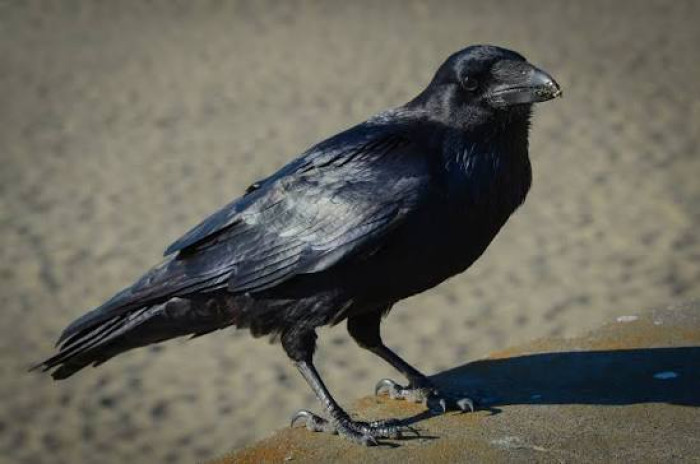
Ravens look black, but their feathers can reflect blue, green, or purple in strong light. That glossy finish prevents the plumage from looking flat. The effect is especially noticeable on the neck and wings.
Its appearance also shows why animal color is rarely a fixed visual value. The same body can look brighter, duller, or slightly different in tone as the light changes.
4. Black caiman
The black caiman is one of the darkest crocodilians. Adults can appear deep charcoal to nearly black across the back, which helps the animal disappear in shadowy water. The underside is much lighter, so the color is not uniform from every angle.
That makes this species a strong example of how a familiar color can be produced in an unfamiliar biological way rather than by one universal pigment.

5. Friesian horse
Friesian horses are known for glossy black coats, long manes, and feathering around the lower legs. Their color is a standard breed trait rather than a rare melanistic event. In bright sun the coat can still show warmer undertones.
Up close the color may dominate the animal's appearance, but at a greater distance its outline, movement, and surroundings become just as important as the shade itself.

6. Black squirrel
Black squirrels are usually melanistic color forms of species such as the eastern gray squirrel or fox squirrel. They can occur locally at surprisingly high frequencies. The body shape is familiar, but the color changes the entire impression.
It is a useful contrast with the other species here because the visible color does not necessarily have the same source or purpose even when the final result looks similar.

This is similar to striped zebras and tigers using bands to confuse predators and signal danger.
7. Black howler monkey
Adult male black howler monkeys can be much darker than females, which are often tan or golden. That sex-based color difference makes the species especially interesting in a visual list because not every individual belongs in the “black animal” category.
The category is therefore visual rather than biological: what links these animals is what we see, not a shared pigment system, habitat, or evolutionary history.

8. Mexican black kingsnake
Mexican black kingsnakes are famous for smooth, glossy scales that can look almost lacquered. The dark body is especially striking because it lacks the bright banding seen in many other kingsnakes.
That distinction matters when comparing photographs, since camera exposure and direct sunlight can exaggerate a color that looks more muted in the wild.

9. Black lemur
Male black lemurs have dark brown-black fur, while females are much lighter and often reddish-brown. As with howler monkeys, the species shows that color can depend on sex rather than being shared by every adult.
The effect works because color never appears alone. Shape, movement, surface texture, and the surrounding habitat all change how strongly the animal stands out.

10. Black widow spider
Adult female black widows have glossy dark bodies, usually marked with a red hourglass on the underside. That small patch of color changes the whole visual identity of the spider. It also makes black and red animals overlap in a single body.
This is one reason the species remains memorable: the color is striking to human eyes, but it still fits into the animal's normal ecology rather than existing just for display.

11. Black sea hare
Black sea hares are large marine slugs that can appear deep brown, purple-black, or nearly black. Their soft bodies move in a completely different way from the hard-edged silhouettes of reptiles and birds, but the dark color is just as striking.
Depending on angle and lighting, the same individual may fall near the edge of the color category, which is common with natural shades that blend into neighboring hues.

12. Black cat
Domestic black cats may be the most familiar dark animals of all. Their coat can hide facial details in low light, which is why bright eyes often become the first thing people notice. Pupperish has photographed and collected plenty of black cats in street portraits, and its black cat facts explain why some coats can look rusty or patterned in strong light.
The broader comparison matters because the visible feature is only the starting point. Habitat, behavior, body structure, and the senses of other animals all influence whether that feature helps with concealment, communication, defense, feeding, or something else entirely.
Taken with the rest of the list, it shows how many unrelated routes can lead to roughly the same visual result in nature.
Solid black also makes a useful visual opposite to white animals. Yet the biology is not simply “more pigment versus no pigment” in every species. Structural color, genetics, age, sex, and coat condition can all alter what we see.
Dark animals can even reveal surprising hidden colors. The same light that makes a raven look violet or a panther’s spots reappear is why some purple animals look almost black until the angle changes. And in dense habitats, green animals use an entirely different visual strategy to disappear.

That panther photo is what made her zoom in, because the hidden pattern only shows up when the light is angled right.</p>
Next came the black swan, and the red bill plus those wing-reveal white feathers made her realize it’s the whole-body pattern doing the work.</p>
Then the common raven showed up, glossy and reflective, proving that “black” can change tone depending on whether the neck and wings catch the sun.</p>
Finally, when she reached the black caiman, the deep charcoal look made her wonder how many “almost invisible” animals are basically built for disappearing.</p>
Black is rarely as simple as it looks
The word “black” is useful for search and identification, but it covers several biological situations. Some species are normally dark. Some individuals are melanistic. Others only appear black because iridescent colors collapse in low light.
Look closer and the supposedly simplest color in the animal kingdom turns out to have plenty going on beneath the surface.
Across the examples, the most interesting pattern is the variety behind a shared appearance. Similar-looking features can come from different anatomy, environments, and evolutionary pressures, which is why comparing species side by side reveals more than the visual trait alone.
She just wanted one answer, but the darkness kept showing a new face with every angle.
Want bolder patterns than black coats, see pandas and orcas flashing black-and-white contrast.
Share this article:





