
Woman Accidentally Left Their Front Door Open And Panics When She Realized Her Boyfriend's Cat Went Missing

One small mistake turned into a full-blown panic when a woman realized she had left the front door open and her boyfriend's cat was nowhere to be found. For a few tense moments, it looked like the kind of accident every pet owner dreads.
The Reddit user, Firecrotch2014, shared how fast the situation spiraled after the cat disappeared, and the post quickly struck a nerve with other pet owners. A missing pet can send people straight into panic mode, especially when they think it might be their fault.
Then the story took a turn that made the whole thing a little easier to laugh about.
How she left the front door open.
After deciding to live together, she moved in with her boyfriend in California, who had a cat. This cat had been with him for about a year.
She was going outside to do the laundry. At that time, she wasn't able to pay attention to whether their front door was closed, as she was carrying things, and only realized it was open when she finished putting on the wash.
"I ran in screaming for the cat because I thought for sure he had run away. I called and called for him, but nothing."
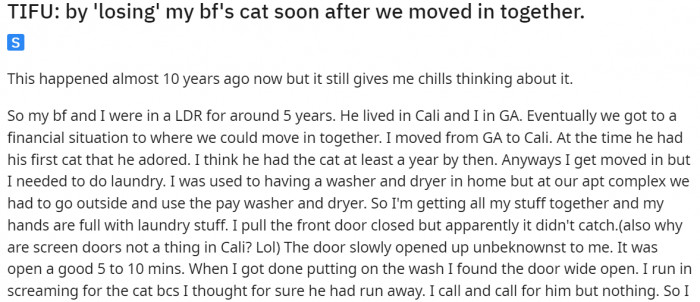
When she almost cried thinking it was her fault that the cat's gone.
"I went back inside and had to wait four hours until my boyfriend got off work to tell him I'd lost his cat. When my boyfriend got home, I was on the verge of tears telling him his cat was gone."

The bittersweet ending.

When a beloved pet goes missing, the emotional toll can be profound.
Pet ownership often fosters deep emotional connections, akin to human relationships.
This bond can lead to distress when a beloved pet goes missing, triggering anxiety and panic responses similar to those experienced in human relationship loss.
#1 Pets playing Hide and Seek.

#2 Cats and their super powers.
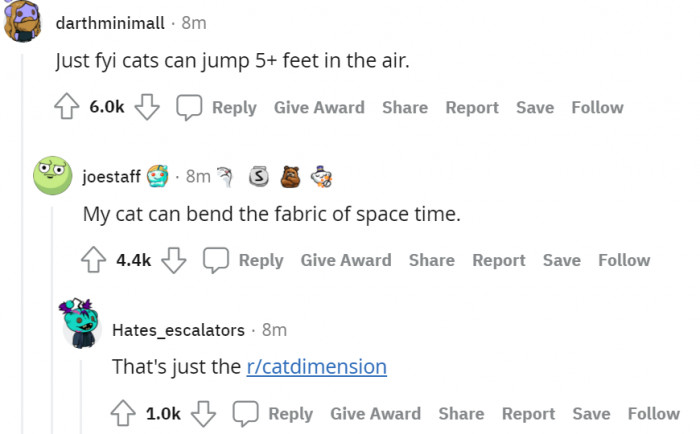
#3 Just to make sure.
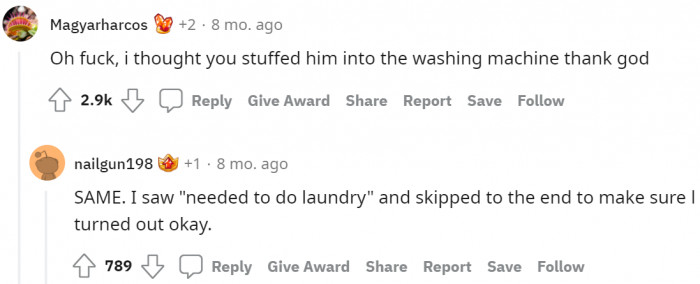
A common reaction to losing a pet is panic, as highlighted in this Reddit discussion. The psychological phenomenon of 'anticipatory grief' can manifest when individuals fear the loss of their pet, leading to heightened anxiety and emotional distress.
That kind of fear can make even a short disappearance feel huge.
When a pet goes missing, the emotional response can be overwhelming and can elicit symptoms akin to grief.
#4 The tax has been paid.

#5 The fear is familiar.

#6 Cats in the laundry?
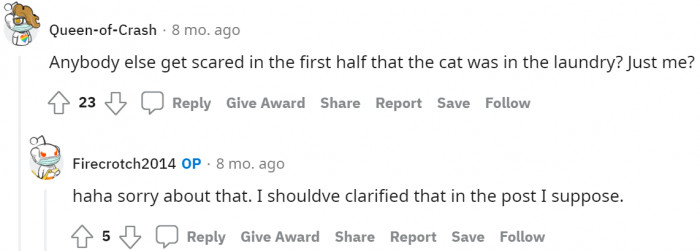
Having a strong support system during the search for a lost pet is crucial for emotional well-being. Sharing your experience with friends and family can significantly reduce feelings of isolation and despair. Engaging with online communities can also provide a vital outlet for expressing emotions, which aids in processing grief and building resilience.
Moreover, participating in community efforts such as local lost pet groups can create a sense of solidarity and shared purpose, potentially leading to the successful recovery of lost pets.
When a pet goes missing, the emotional response can be overwhelming and can elicit symptoms akin to grief.
#7 What's LDR anyway?

#8 The moment you messed things up.

#9 Felt relieved.

In addition to social support, practical strategies can enhance the likelihood of finding a lost pet. Creating and distributing flyers, utilizing local social media platforms, and checking with local shelters frequently can increase the chances of recovery and provide a sense of agency to the pet owner during a time of helplessness.
Furthermore, engaging in these activities can serve as a healthy distraction from the emotional turmoil of losing a pet, allowing individuals to channel their energy into positive actions.
And if you think this is bad, see how the woman got yelled at after taking her missing cat back from an old woman.
The psychological impact of losing a pet can also be compounded by feelings of social isolation.
#10 All day nap in a new hiding spot.

#11 Lesson for today.

#12 Food is their way home.

Should a pet not be found, individuals often face complex emotions, including grief and guilt. The grief process following a pet's loss can be multifaceted, often involving feelings of regret and 'what if' scenarios.
Engaging in rituals such as commemorating the pet's life through memorials can help individuals honor their bond and facilitate healing. Research suggests that such rituals can be beneficial in processing grief and achieving closure.
Communicating openly about the distress caused by a missing pet is vital for emotional processing.
#13 Screen doors for homes.

#14 Almost had a heart attack, too.

#15 Expecting a plot twist.

Ultimately, the experience of losing a pet underscores the deep emotional connections we form with animals. Recognizing the significance of these attachments can promote a healthier grieving process.
The emotional turmoil surrounding a missing pet can also lead to introspection and personal growth.
#16 Thought the cat was killed.

#17 Did she wash and dry the cat?

#18 Big deal for pet owners.

Creating a supportive environment is crucial when dealing with the anxiety of a missing pet.
#19 Good job for the boyfriend for not blaming you.

#20 A perfect partner for a pet lover.

Indeed, these experiences make us aware of how cats can prank humans in their own ways.
Ultimately, the emotional response to a missing pet is a testament to the significant role animals play in our lives.
Recognizing the depth of this bond can help individuals process their feelings more compassionately and acknowledge that grieving a pet is a valid emotional experience.
Supporting oneself through this challenging time is crucial for long-term emotional health.
The recent incident of a woman inadvertently leaving her front door open, leading to the disappearance of her boyfriend's cat, underscores the deep emotional turmoil pet owners face in such situations. The bond between humans and their pets is not merely about companionship; it is a significant attachment that can invoke a range of feelings from anxiety to guilt when jeopardized. This emotional response is amplified when negligence is involved, as seen in this case.
In navigating the distress of a missing pet, it is crucial for individuals to recognize the weight of their emotions. Utilizing coping strategies and reaching out for support can help mitigate the overwhelming sense of loss. Community support, whether from friends, family, or online groups, can provide comfort and practical assistance during this challenging time. Ultimately, understanding these dynamics can empower pet owners to handle such heart-wrenching experiences with greater resilience.
The fear of losing a pet, as illustrated in the recent article about a woman who accidentally left her front door open, highlights the emotional turmoil that pet owners face. The panic of realizing that her boyfriend's cat is missing reflects a deep-seated anxiety that many fur parents experience. This incident serves as a reminder of the importance of vigilance when it comes to our beloved companions. In times of distress, community support becomes vital. Engaging with friends or local pet groups can provide comfort and practical help in the search for a lost pet. Moreover, commemorating the pet's life, whether through shared memories or small tributes, can aid in navigating the grief that accompanies such a loss. Ultimately, recognizing these feelings and taking constructive actions can foster healing during such a challenging time.
And then the cat turned up exactly where everyone should have checked first.
Before you panic about a missing cat, read how a girlfriend confronted her boyfriend over the cracked door.
Share this article:





