
Adopting Cats Saves Husband and Wife from Dealing with His Overbearing Parents After His Dad Disowned Them Because of His Cat Allergy

A 28-year-old woman didn’t set out to start a family war, but one stray cat named Eddie managed to do it anyway. The second OP and her husband opened their hearts to him, his whole complicated relationship with his overbearing parents flipped from messy to radioactive.
Here’s the problem: OP’s father-in-law is allergic to cats, and he refused to even consider antihistamines. That refusal turned every attempt at compromise into an excuse for escalating drama, from disowning OP and her husband, to disowning the brother who tried to mediate, and even disowning relatives who dared to disagree about Eddie.
And somehow, Eddie the cat became the reason OP and her husband finally got peace, even after the family burned every bridge they offered.
Her In-Laws' Intrusion Stopped When OP and Her Husband Spontaneously Adopted a Cat. Her Father-in-Law is Allergic to Cats.

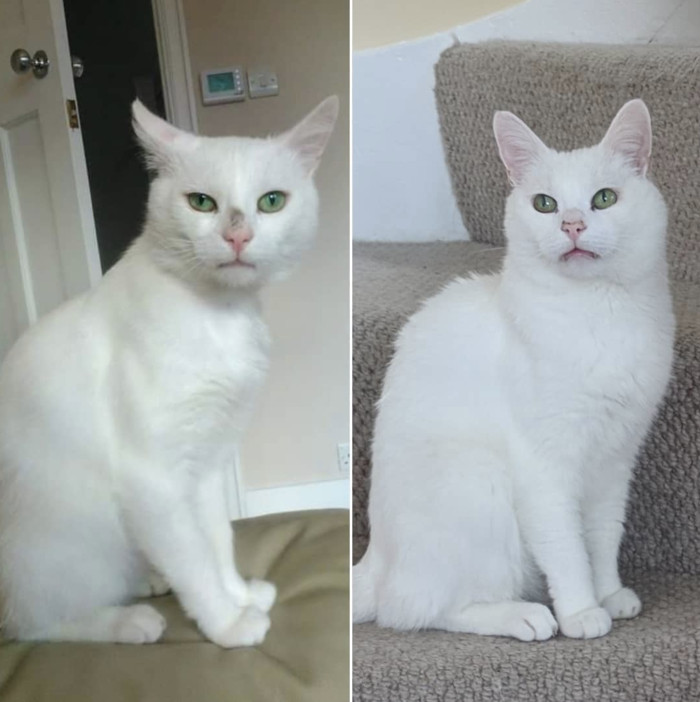
They Didn't Plan It, but OP's Husband Fell in Love with the Stray Cat Found by OP's Acquaintance.

They Tried to Find a Middle Ground with the In-Laws. OP's Father-in-Law Didn't Want to Take Any Antihistamines, So He Just Disowned Them Instead.
The moment OP’s husband fell for Eddie, the stray cat stopped being “a pet” and started being a trigger for his dad’s allergy tantrums.
Adopting Pets as a Coping Mechanism
This situation highlights the psychological benefits of pet ownership, particularly in coping with family dynamics.
Her Husband's Brother Tried to Mediate, So He Was Disowned as Well. His Wife is Overjoyed, and Their Three-Year-Old Has Never Met Her Grandparents Because of OP's Cat.

An Aunt Tried to Make OP's In-Laws See Reason, So She Was Disowned as Well. Her In-Laws Disowned Any Relative Who Disagreed with Them About Eddie the Cat.
OP's Husband and His Brother Extended an Olive Branch to Their Parents by Sending Them Cards and Letters, but Eventually Stopped.
Adopting pets can also serve as a form of empowerment, allowing individuals to take control of their environment and create a sense of normalcy. The act of caring for a pet can foster a sense of responsibility and purpose, which can be particularly helpful in navigating difficult family dynamics.
This can lead to improved emotional resilience and well-being.
It Has Been Three Years Since OP Has Seen or Heard from Her In-Laws, and She Couldn't Be Happier.

Her Husband's Relationship with His Brother Improved as Well Without Their Parents Pitting Them Against Each Other. Unfortunately, Eddie the Cat Passed Away, but OP Adopted Two More Cats in His Honor.

Eddie, the Cat to Whom OP Owes Her Peace of Mind
When the father-in-law refused antihistamines and disowned OP and her husband anyway, it wasn’t just rejection, it was a full-on family shutdown.
For more “future MIL” chaos, see how one woman refused to board their cats after MIL demanded it for a night away.
Family Dynamics and Pet Ownership
This experience also illustrates how family dynamics influence decisions about pet ownership. Research shows that family members often have differing opinions on pet care, which can lead to conflict.
Evie and Otto, Continuing Eddie's Legacy of Protecting OP and Her Husband from Overbearing In-Laws
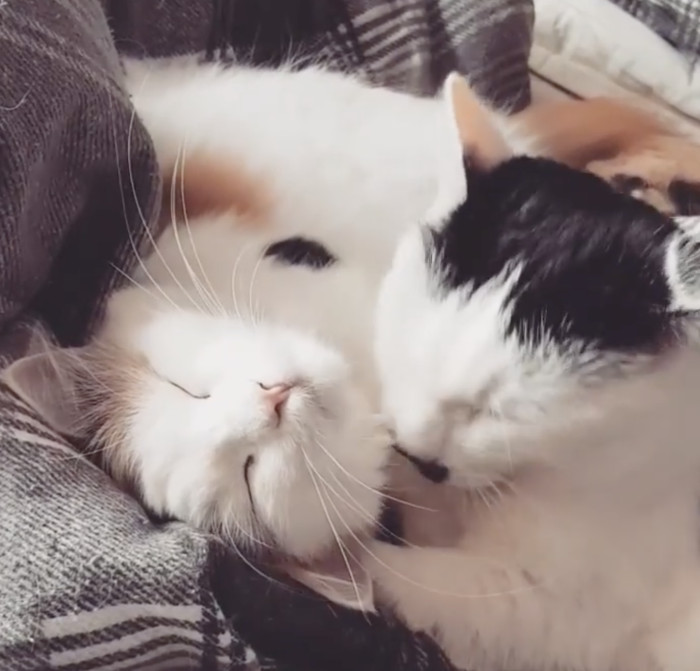
They Bring a Lot of Good Energy, for Sure!

Eddie, Evie, and Otto Are Scientific Proof of This Superstition

The brother tried to smooth things over, sent cards and letters, and still got disowned, which is how OP’s three-year-old never met the grandparents.
To navigate these challenges, open discussions about expectations regarding pet care can help mitigate potential conflicts.
These Cats Better Be Spoiled After All the Improvement They Brought into This Family's Life

They Severely Overestimated Their Value

They Can't Disown the Entire Neighborhood. A Sanctuary Will Drive Them Off the State, Guaranteed!

After Eddie passed away, OP and her husband didn’t fold, they adopted two more cats, and the in-laws stayed gone for good.
Coping with Family Conflict
This situation highlights the emotional complexities of dealing with family conflict, particularly when it involves personal choices.
It's amazing what cats can do just by existing. OP and her family owe their improved lives to the cats they adopted.
They literally walked into their lives and changed them for the better, forever. The in-laws really thought they had influence over people they had been mistreating for years, only to be outvoted by cats.
In this scenario, the couple's decision to adopt cats serves as a significant turning point in managing family dynamics. OP's initial struggles with her boyfriend's parents reveal a deep-rooted tension that stems from their disapproval and assumptions about her intentions. The adoption of cats not only provides companionship but also creates a buffer against the parents' intrusive judgments. This strategic choice underscores the importance of establishing boundaries while prioritizing their own happiness. By focusing on shared values, such as the love for their pets, the couple effectively strengthens their bond and reclaims their autonomy in the face of familial disapproval.
Eddie didn’t just save them from overbearing parents, he basically rewrote the family tree.
And if you think the cat allergy was bad, wait until you read how the owner blames MIL for three pet dog deaths.
Share this article:





