
GIF of Guy Getting B*tchslapped by Dog Goes Viral; He Was Petting the Poor Creature in an Annoying Way

A GIF of a guy getting b*tchslapped by a dog went viral fast, and honestly, it’s hard not to watch it on repeat. The caption made it sound like instant karma, but the clip also hints at something more specific: he was petting the dog in a way that clearly wasn’t landing.
In the story, the man keeps going like the dog is just being dramatic, even after the dog’s mood turns. The whole thing gets complicated because the dog’s body language can be subtle, like turning away or looking uncomfortable, and he treats those signals like background noise.
And once the dog finally snaps, it’s not just funny, it’s a warning you can’t unsee.
Hooman Makes the Doggo So Angry, It B*tchslapped Him.
Don't Annoy the Doggo, or Else.
The Guy Was Given His Warning. He Just Didn't Listen.
That’s when the “don’t annoy the doggo, or else” vibe kicks in, because this guy is still petting like he didn’t get the memo.
Understanding a dog's behavior is crucial for fostering a positive human-animal bond.
The Perfect Way to Describe the Two.
Don't Mess with the Angry Doggo.
Recognizing Stress Signals
Dogs communicate their discomfort through subtle signals, which owners often overlook. Recognizing signs like lip licking, yawning, or turning away can indicate a dog’s stress.
To enhance interactions, owners should educate themselves on canine body language and modify their petting style accordingly. Engaging in gentle strokes in preferred areas, such as behind the ears or under the chin, can foster a more positive experience for both parties, ensuring the dog feels secure.
This Hooman Sure Did Deserve What He Got.
Calling It Quits with the Cat.
Right after the dog’s stress signals start showing, the man ignores the obvious discomfort and keeps rubbing the poor creature the wrong way.
It also matches the online backlash against a canine lover who kept trying to pet guide dogs.
The viral GIF of a man getting slapped by a dog serves as a humorous reminder that petting a dog is not as straightforward as it seems. The article highlights that even the most beloved pets can have their limits. In this instance, the dog's swift reaction suggests it was feeling uncomfortable or perhaps anxious about the man's approach.
This scenario underscores the importance of recognizing and respecting a dog's personal space and mood. Understanding the unique ways dogs communicate their feelings is essential for ensuring enjoyable and positive interactions. Ignoring these signals can lead to unexpected outcomes, as illustrated by this amusing yet cautionary tale.
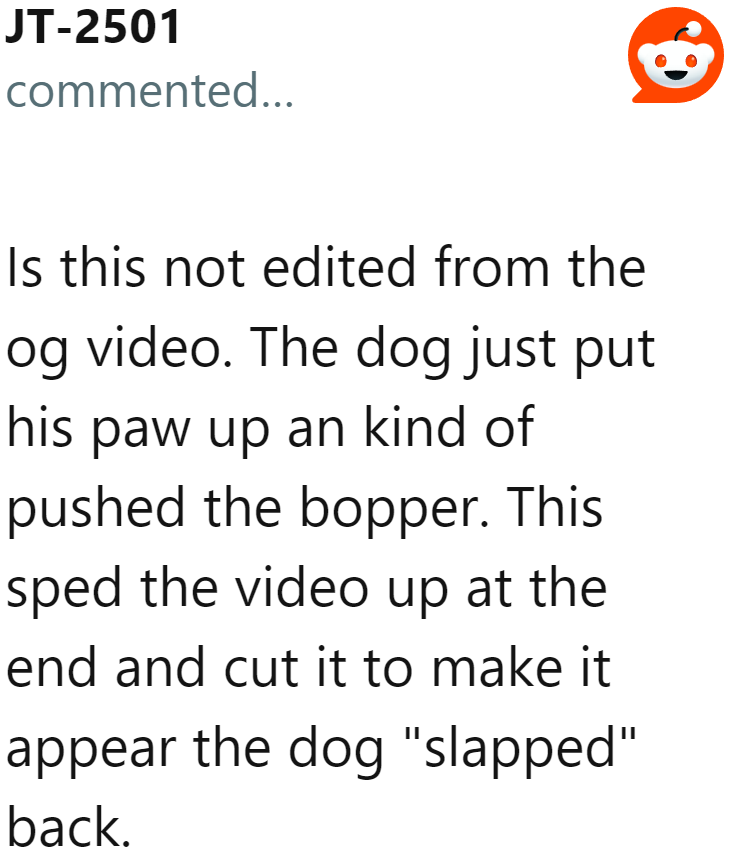
One User Points Out That Although the Video Is Legit, It Was Just Edited to Make It Seem Like the Dog Got Annoyed and Slapped the Guy.
We Would All Have Done the Same Thing.
Then the GIF catches the exact moment the doggo decides enough is enough, turning a casual petting session into a slap heard around the internet.
Utilizing positive reinforcement techniques can significantly improve the petting experience for both humans and dogs. A study published in the Journal of Veterinary Behavior found that dogs trained with reward-based methods exhibit less anxiety and aggression compared to those trained with aversive techniques.
Petting should be accompanied by gentle praise and treats to create a positive association. This approach not only strengthens the bond but also encourages the dog to communicate their preferences, enhancing mutual understanding.
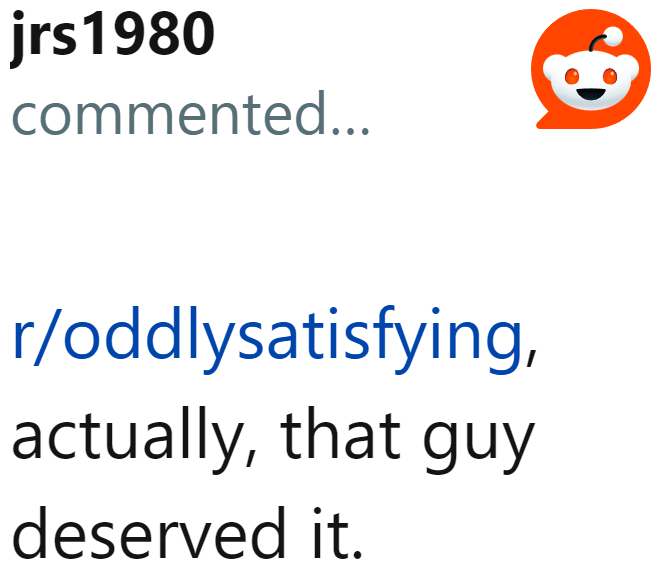
One User Finds It Oddly Satisfying.
The viral GIF of a man getting slapped by a dog serves as a humorous yet poignant reminder of the importance of understanding animal behavior. While petting a dog may seem like a simple act, the article highlights that even the most affectionate pets can react negatively if they feel uncomfortable. This incident underscores the necessity for pet owners to be educated about their furry companions' moods and boundaries. Misguided attempts at affection, such as rough petting or invading a dog's personal space, can lead to unexpected and sometimes comical consequences, as illustrated in this viral moment. By fostering better awareness and techniques for interacting with pets, owners can not only prevent conflicts but also enrich their relationships with their beloved animals.
This incident also raises questions about appropriate pet handling techniques, which can vary significantly between individuals.
And of course, someone in the comments claims the whole thing was edited to make the dog look angrier than it was, because Reddit cannot leave well enough alone.
Social Dynamics of Human-Dog Interaction
The dynamics of human-dog interaction reflect important social learning principles.
This sensitivity means that a dog's response to petting can mirror the owner's emotional state. Consequently, it’s vital for owners to approach their dogs with calmness and positivity to foster trust and comfort, thereby encouraging a more harmonious relationship.
Improving Human-Animal Interactions
Providing resources or workshops on animal behavior can equip people with the knowledge they need to interact safely and respectfully with pets.
For example, learning to recognize signs of stress in dogs can prevent aggressive reactions and promote a more enjoyable experience for both parties.
The dog might not have slapped the guy for real (as it was only edited), but you can't help but laugh at the thought that it was so annoyed that it slapped the human.
Whether it's real or not, it teaches us one thing: even dogs run out of patience and react in unpredictable ways when they feel bothered. So, it's always good to remember that when it comes to all interactions with animals, including playful ones, we should do so with respect and sensitivity to their boundaries.
After all, just like us, dogs have their own limits and preferences. Loved the GIF of the dog slapping a hooman?
Share this post with your friends and family!
Additionally, fostering empathy for animals can lead to better interactions; encouraging people to consider the dog's perspective can enhance mutual understanding.
Practicing patience and observing animal behavior can go a long way in improving the quality of human-animal interactions.
The recent viral clip of a man being unexpectedly slapped by a dog serves as a humorous yet poignant reminder of the importance of understanding canine behavior. The man's overly enthusiastic approach to petting, which was described as annoying, likely crossed a boundary that the dog was not comfortable with.
This scenario highlights that fostering a relationship built on trust and respect is crucial. By adapting our interactions to align with a dog's comfort levels and employing positive reinforcement techniques, we can create a more harmonious environment for both pets and their owners. Ultimately, both parties benefit when the bond is nurtured through understanding and respect.
Now he’s wondering if he really is the problem, because that dog did not ask twice.
Want more karma? See how a man tried to kick a harmless doggo and face-planted.
Share this article:





