
32 Incredible Animals That Once Roamed the Planet Before Going Extinct

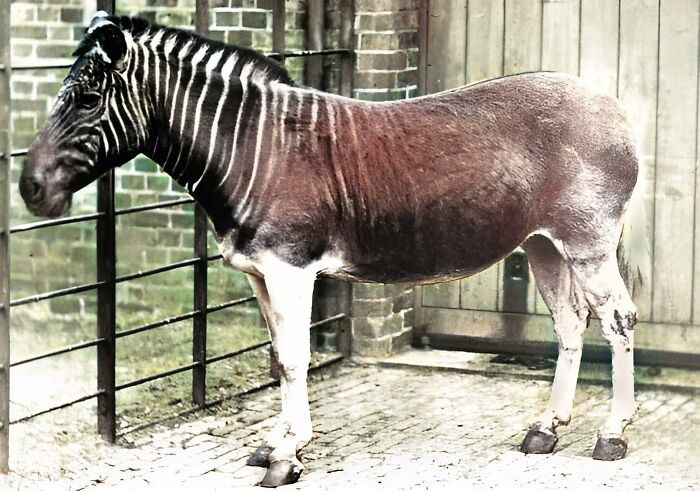
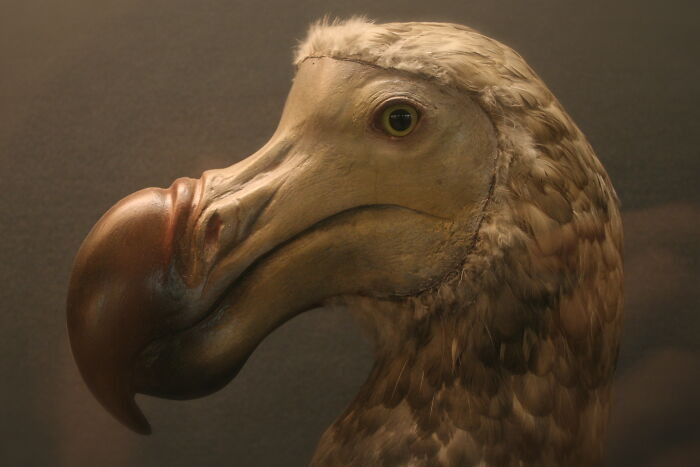
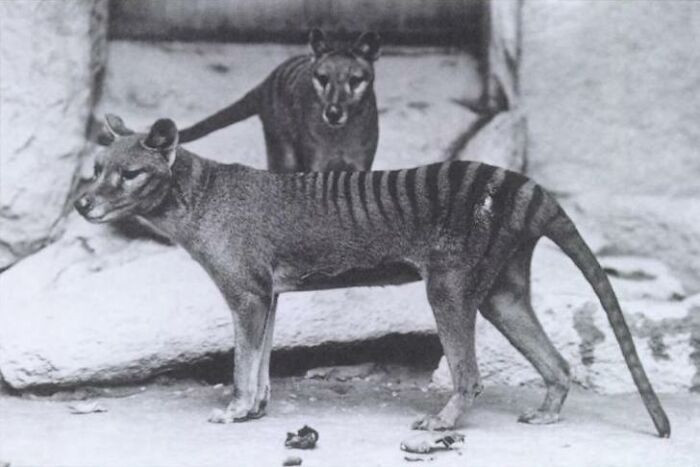
Quagga vanished in 1883, the dodo was gone by 1662, and the thylacine made it to 1936. Those dates are not just trivia, they are timestamps for entire ecosystems getting ripped apart, one species at a time.
And here’s where it gets messy, because this is not a neat “nature did it” story. Climate swings piled on pressure as habitats shifted, but human choices made it worse, from hunting to habitat destruction. Even the names feel like they’re carrying the weight of the moment, passenger pigeon, great auk, and Carolina parakeet, all disappearing while the world kept moving.
By the time you reach the Javan tiger and the Caspian tiger, you realize the real question is how close we are to repeating the same timeline.
Quagga - Extinct 1883
Dodo Bird - Extinct 1662
Thylacine - Extinct 1936
The Diversity of Extinct Species
This article highlights not just the vast number of animals that once roamed the Earth, but also the incredible diversity of species. From the towering woolly mammoth to the bizarre and lesser-known passenger pigeon, each extinction tells a story of adaptation and survival. It's a stark reminder of the complex ecosystems that existed and how they were shaped by both natural and human influences.
The variety of these animals sparks curiosity about their habitats and behaviors, making readers reflect on what we've lost. It’s not just about the animals; it’s about the intricate web of life that’s been disrupted.
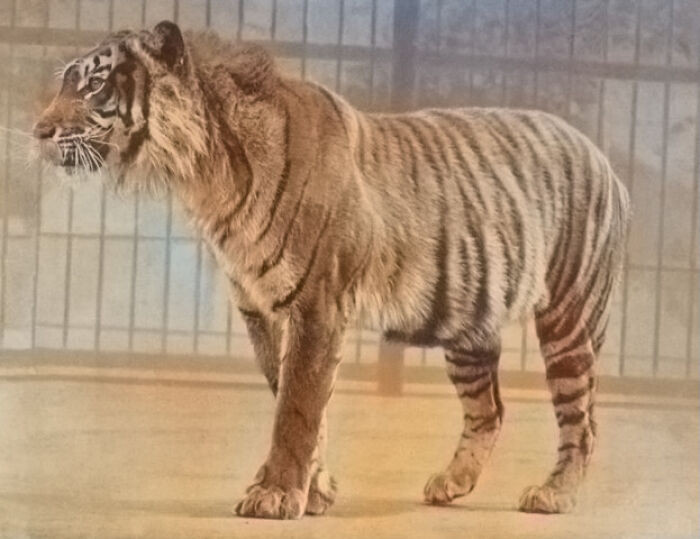
Javan Tiger - Extinct 2008
Carolina Parakeet - Extinct 1918
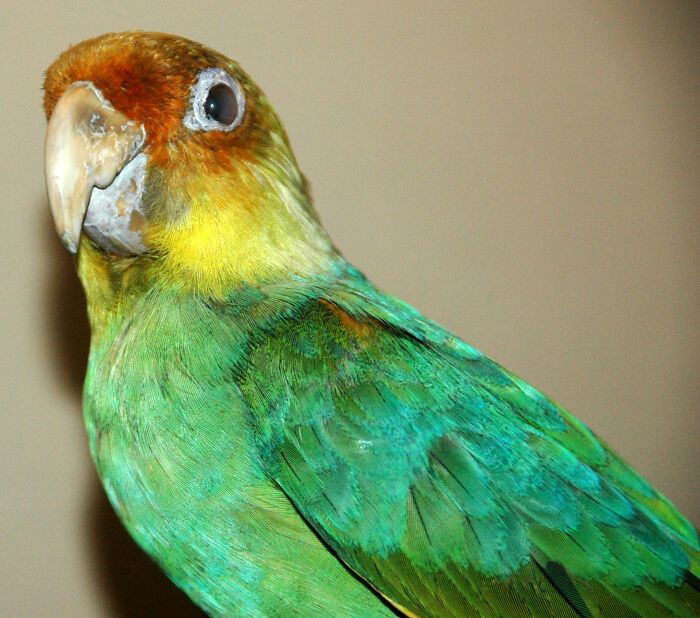
Great Auk - Extinct 1852
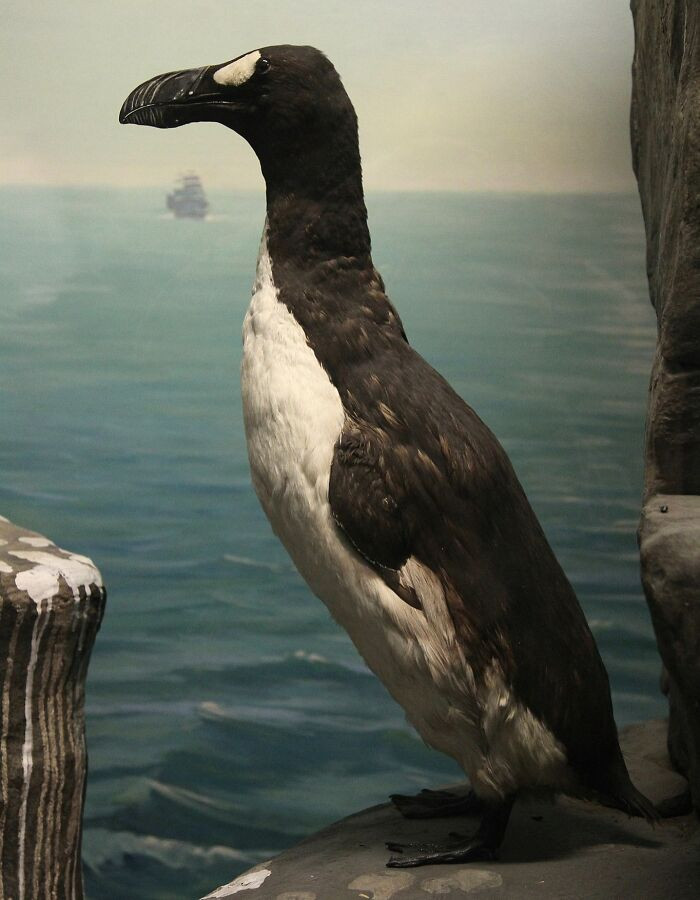
The Quagga and dodo dates hit first, and suddenly “extinct” feels painfully real instead of abstract.
Climate Change's Role in Extinction
The article touches on climate change as a primary factor in many extinctions, and readers can't help but draw parallels to today's global warming crisis. The dramatic climate shifts that contributed to the extinction events remind us that the Earth has undergone significant changes before—changes we may be repeating.
This connection resonates deeply as it raises questions about our current environmental policies and how they might be leading us toward a similar fate. Are we witnessing the early signs of future extinctions, and if so, what can we do to change course?
Japanese Wolf - Extinct 1905
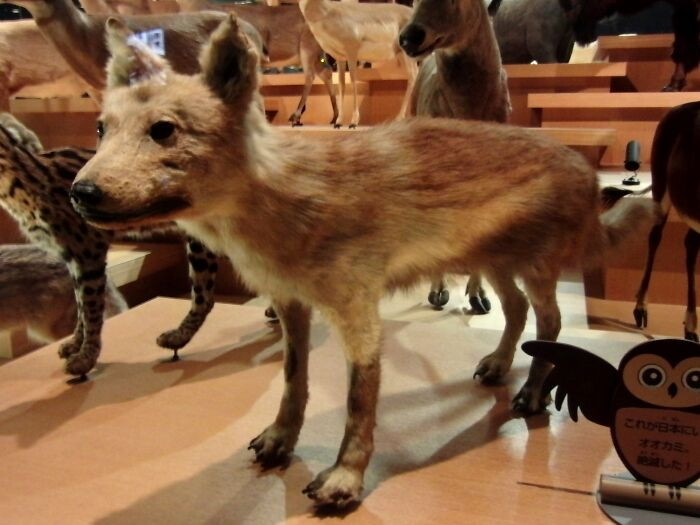
Steller's Sea Cow - Extinct 1768
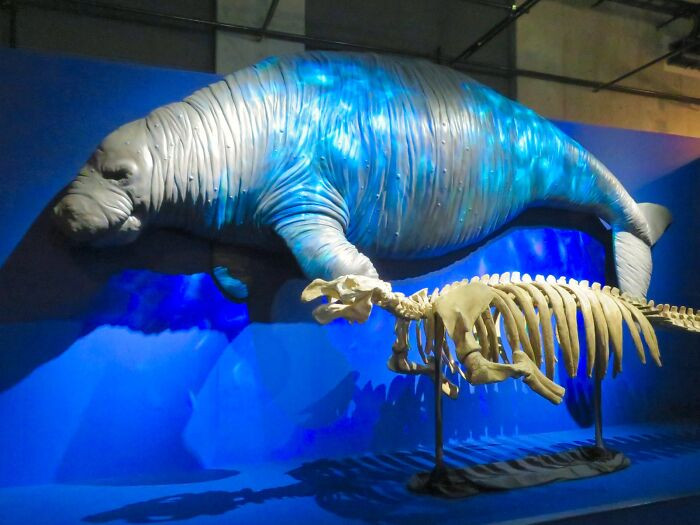
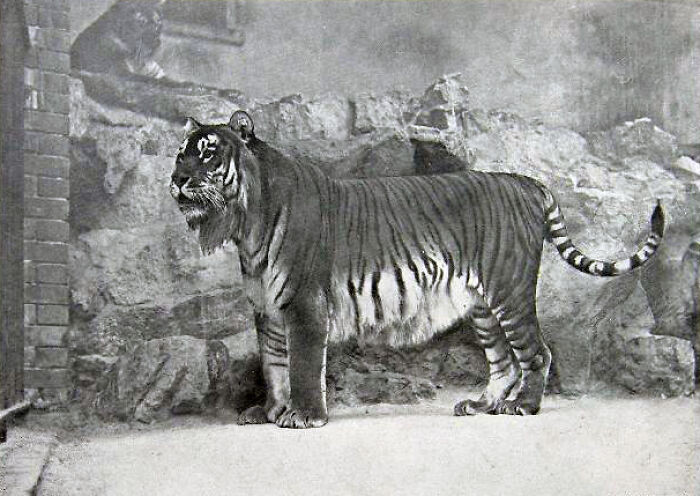
Caspian Tiger - Extinct 1970
A Moral Dilemma
As we read about these extinct animals, it’s hard not to feel a sense of loss mixed with guilt. Many of these species vanished due to human activities, whether it was hunting or habitat destruction. The tension between progress and preservation is palpable.
This moral gray area begs the question: how much responsibility do we bear for the extinction of these creatures? It’s not just a matter of the past; it’s a call to action to protect the species that still exist.
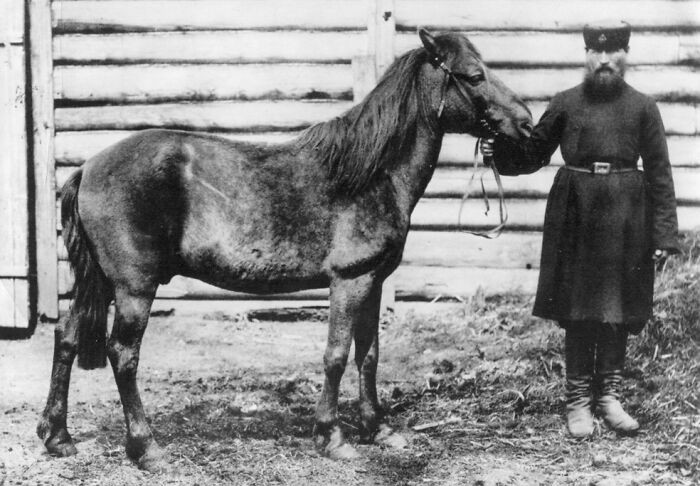
Tarpan - Extinct 1909
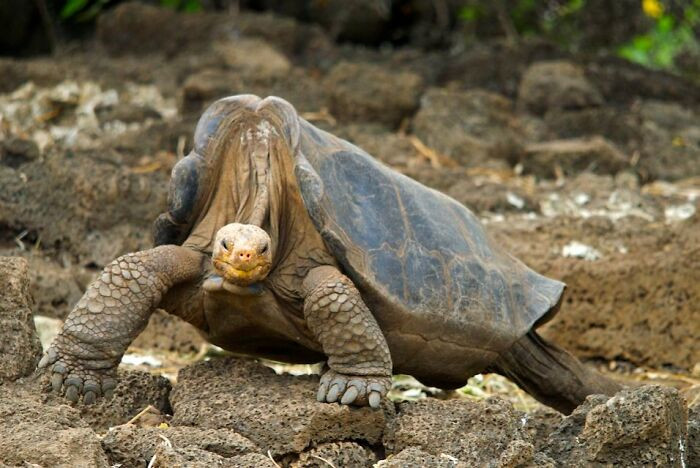
Pinta Island Tortoise - Extinct 2012
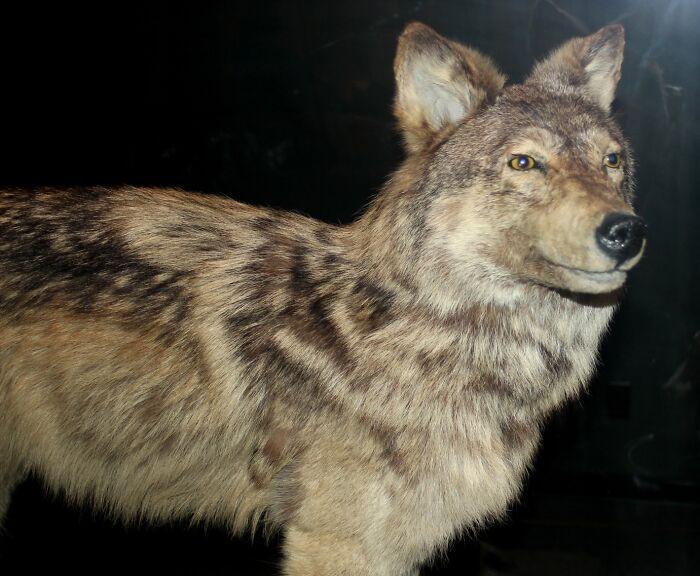
Newfoundland Wolf - Extinct 1911
When the article jumps to the Javan tiger and Carolina parakeet, the climate-change angle stops being a background theme and becomes the plot twist.
The Fascination with Extinction
Why are we so drawn to stories of extinction? Perhaps it’s the mix of wonder and sorrow that captivates us. The article’s vivid descriptions of these incredible animals spark imagination while simultaneously evoking a sense of urgency about our current environmental crises.
Readers are left pondering not just what these creatures were like, but how their extinction affects our world today. The fascination is rooted in a desire to learn from the past to prevent similar outcomes in the future.
Megalodon - Extinct Around 3.6 Million Years Ago

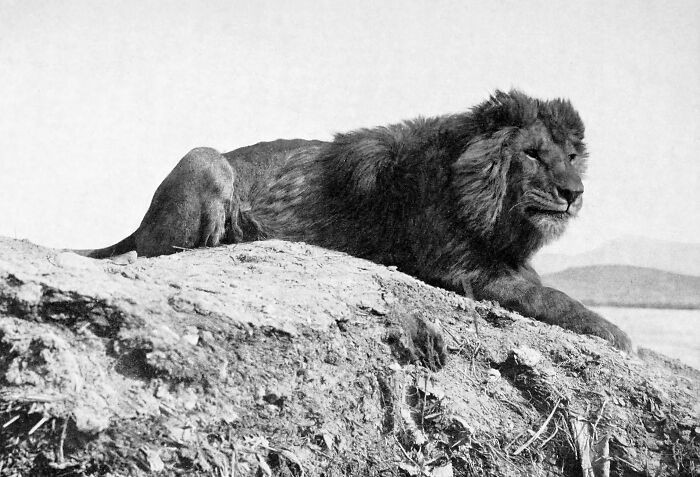
Barbary Lion - Extinct In The Wild By The 1960s
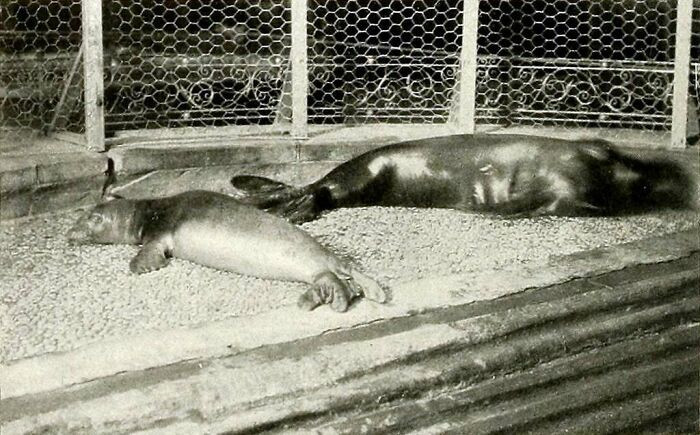
Caribbean Monk Seal - Extinct 1952
Lessons from the Past
The extinction of these animals serves as a cautionary tale. History shows us that ecosystems are fragile and easily disrupted. The article’s exploration of their demise encourages readers to consider the consequences of our actions on today’s biodiversity.
With every species that disappears, we lose a part of our planet’s history and an opportunity to learn. It’s a stark reminder that we need to take conservation efforts seriously before it's too late.
And if you want the “fragile, fierce” side of nature, see AAP Magazine’s modern nature photography winners.
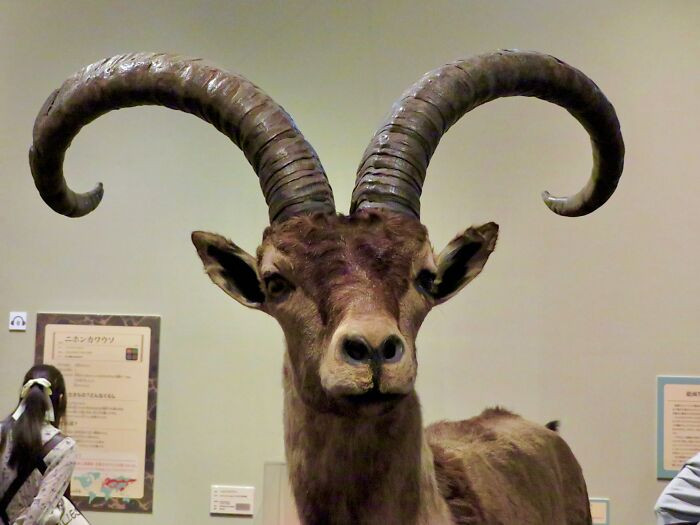
Pyrenean Ibex - Extinct Around 2000
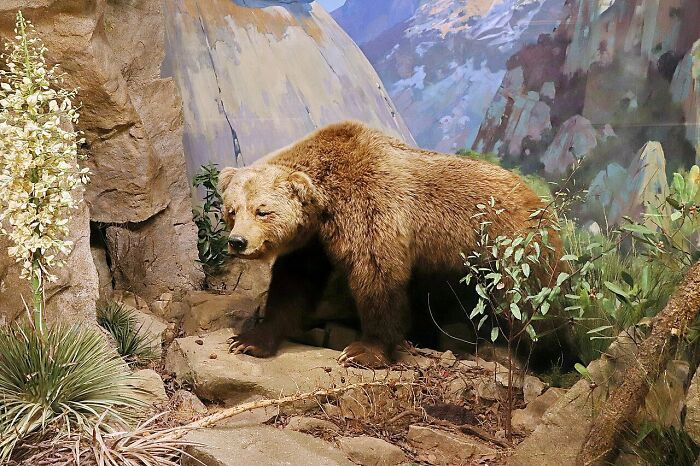
California Grizzly Bear - Extinct 1924
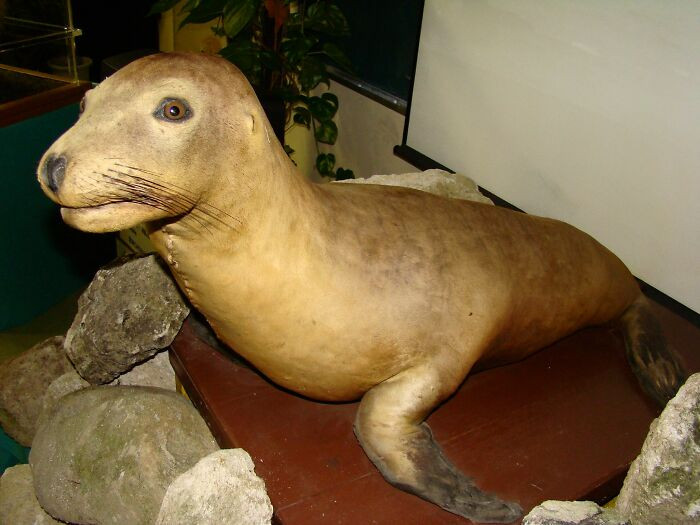
Japanese Sea Lion - Extinct 1970s
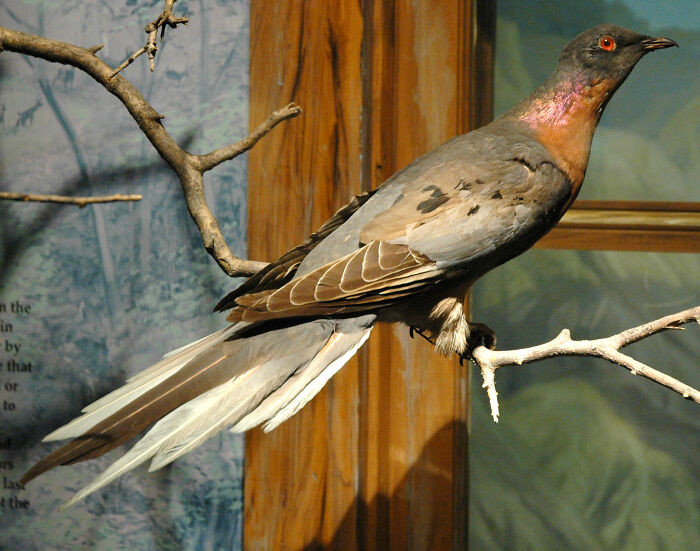
One of the most striking aspects of this article is how it emphasizes human impact on extinction. The passenger pigeon, once so numerous it darkened the skies, fell victim to overhunting and habitat loss. It’s a sobering reminder that our actions can have irreversible effects.
This point hits home for many readers, especially in an era where wildlife conservation is a hot-button issue. If we don’t change our ways, could we be writing the next chapter in the extinction saga?
Passenger Pigeon - Extinct 1914
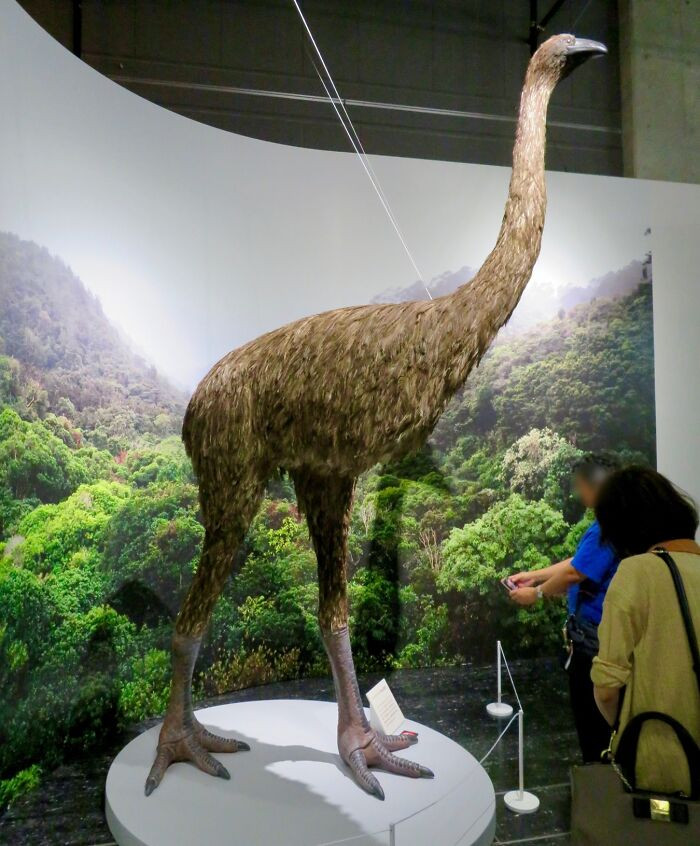
Moa - Extinct Around 1400 CE
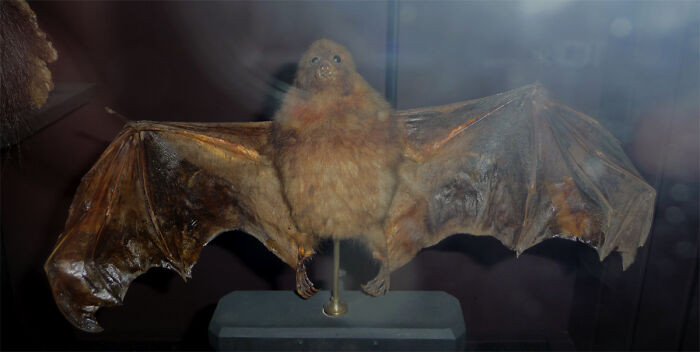
Lesser Mascarene Flying Fox Or Dark Flying Fox - Extinct 1864-1873
Then Steller’s sea cow and the great auk show up, and you can almost feel the moral dilemma tightening like a trap made of lost habitats.
Connecting to Modern Conservation Efforts
As readers reflect on the animals featured in this article, there’s a natural pivot to current conservation efforts. The stories of extinction can galvanize support for modern-day initiatives aimed at protecting endangered species.
By drawing connections between the past and present, the article emphasizes the importance of collective action in preserving our planet's biodiversity. It’s a call to arms for everyone to contribute, whether through advocacy, education, or simply being more mindful of our environmental footprint.
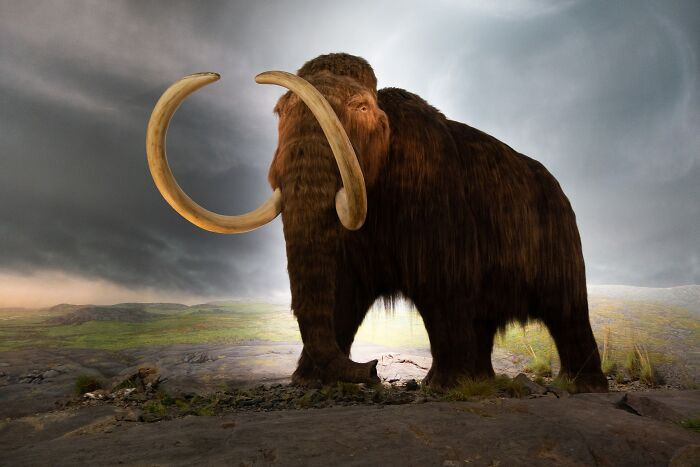
Woolly Mammoth - Extinct Around 8000 BCE
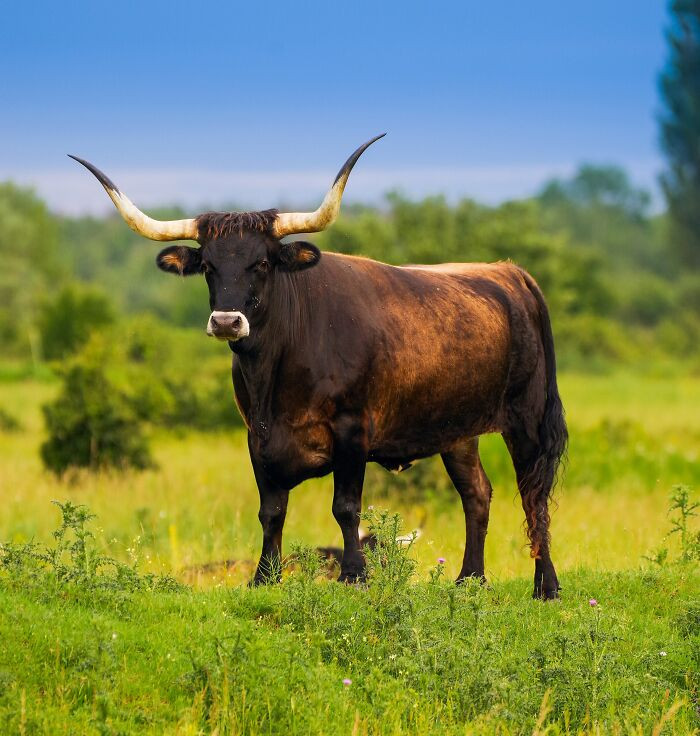
Aurochs - Extinct 1627
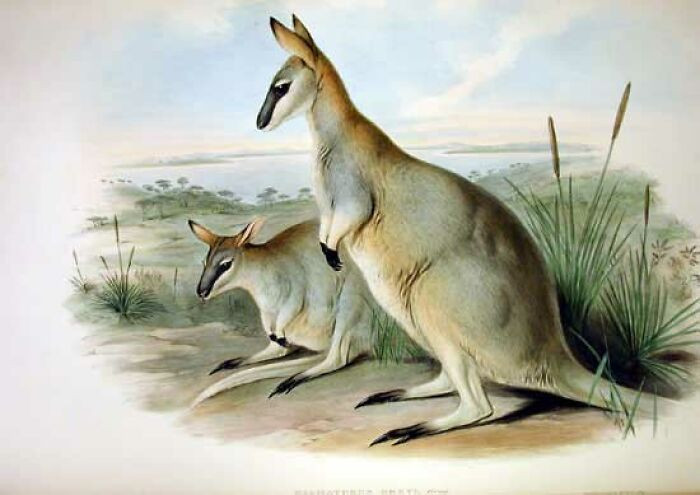
Toolache Wallaby - Extinct Around 1939
The Emotional Impact of Extinction
The emotional weight of reading about these extinct animals can’t be overstated. Each story carries a sense of loss that readers feel deeply. The article effectively captures this sentiment, compelling us to grapple with the consequences of extinction.
This emotional connection can often spur action, motivating individuals to engage in discussions about conservation and environmental stewardship. It creates a shared experience that transcends generations, linking our past with the urgent need for change.
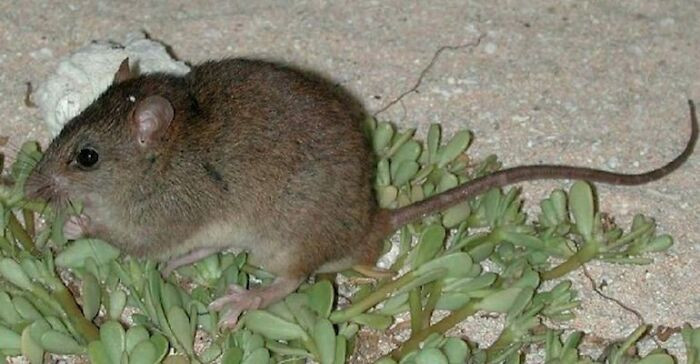
Bramble Cay Melomys - Extinct 2015
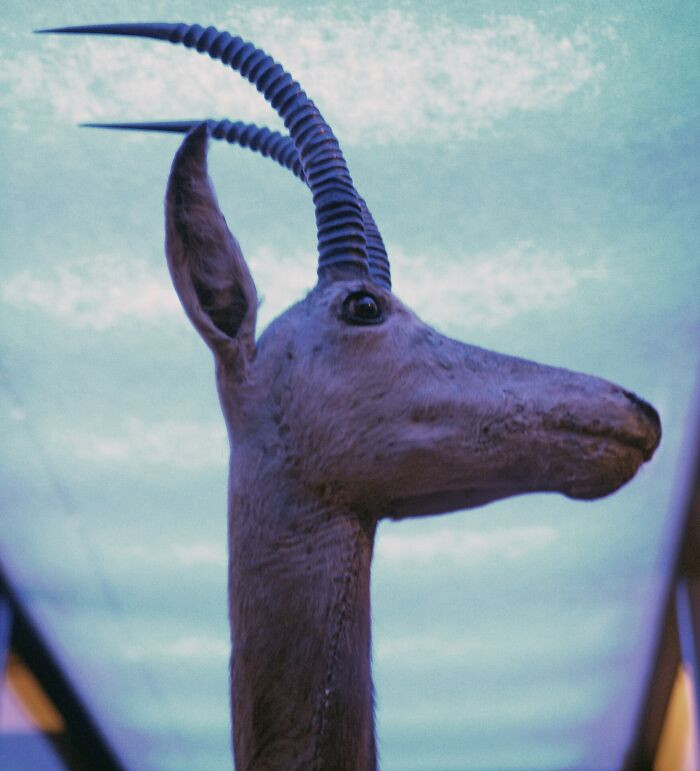
Bluebuck - Extinct Around 1799
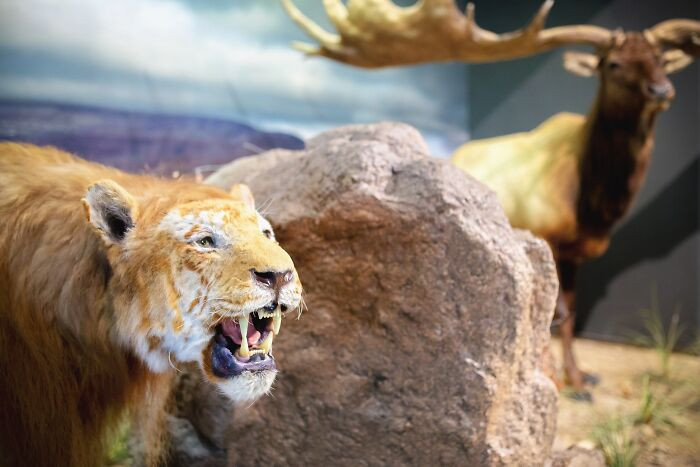
Cave Lion (Panthera Spelaea) - Extinct Approximately 10000 BCE
By the time Japanese wolf and Caspian tiger are listed, it’s hard not to think about how human progress kept stepping on the same fragile web of life.
A Reflection on Nature's Resilience
While the article focuses on extinction, it also invites readers to reflect on nature's resilience. Species that have survived against the odds remind us of the incredible adaptability of life on Earth.
This duality of loss and resilience can inspire hope, showing that while we’ve lost much, there’s still so much worth fighting for. It’s a powerful message that encourages readers to appreciate the beauty of nature while advocating for its protection.
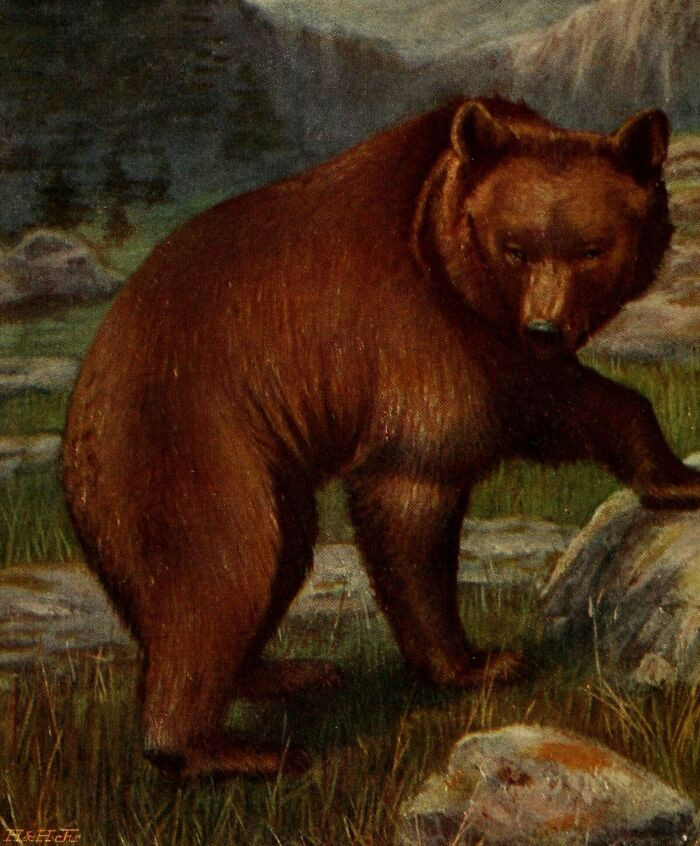
Atlas Bear - Extinct 1870
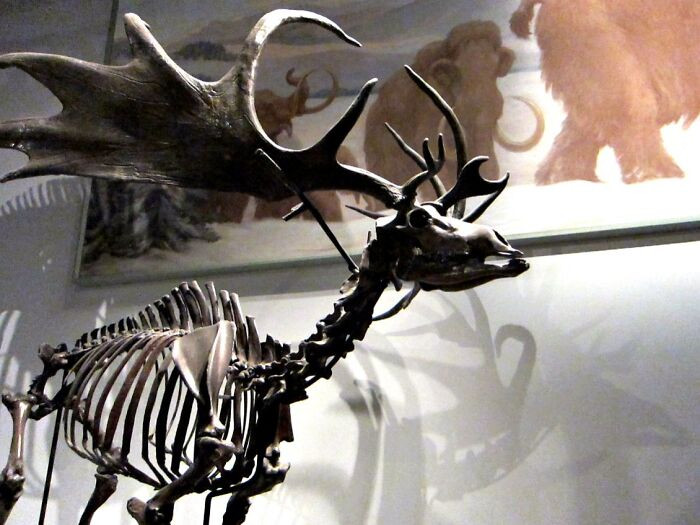
Irish Elk - Extinct Roughly 5700 BCE
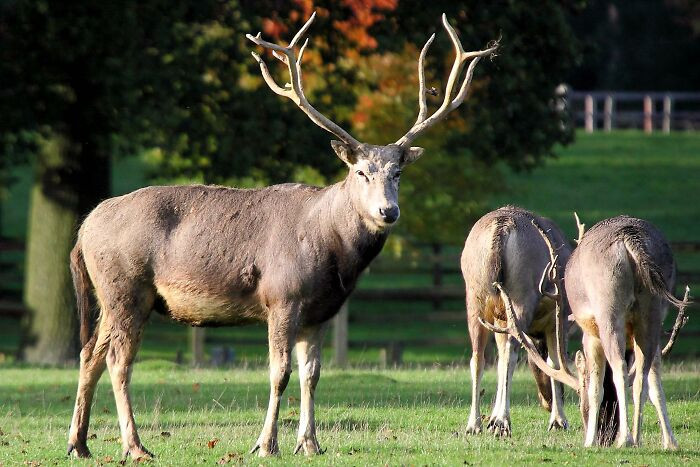
Pere David Deer - Extinct In The Wild Around 1900s
The Future of Extinction Stories
As we look back at the animals that once roamed the Earth, there's an unsettling realization that these stories might be more relevant than ever. The article serves as a historical account but also as a warning for our future.
How will future generations view our current impact on biodiversity? Will they read about our time as a cautionary tale, or will they celebrate our efforts to protect the planet? The narrative is still being written, and it’s up to us to shape it.
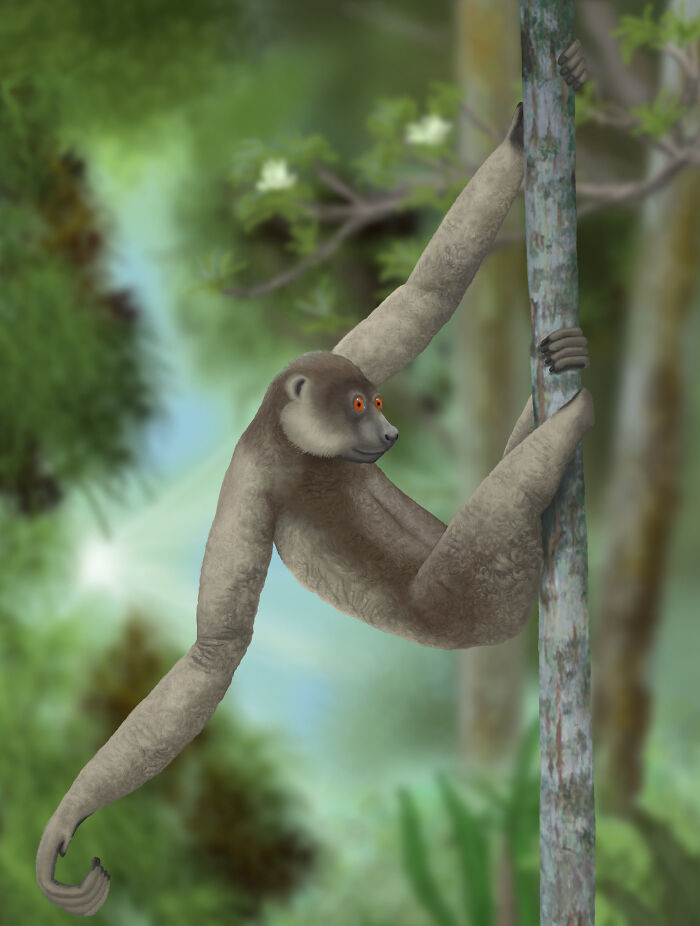
Large Sloth Lemur - Extinct 1620
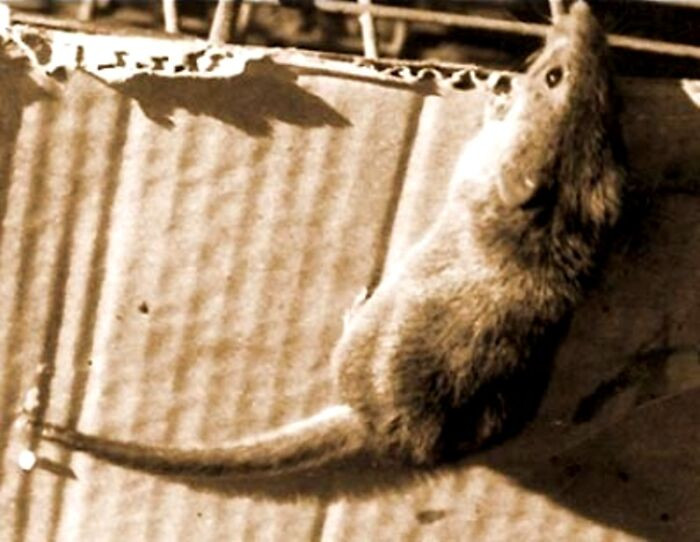
Candango Mouse - Extinct Around 1990s
Extinction is often viewed as part of the distant past, yet it remains an ongoing reality. Looking back at these remarkable creatures offers more than mere curiosity about unusual animals.
Their stories highlight the importance of protecting habitats and preserving wildlife before more species become names remembered only through photographs, fossils, and history books. Every species saved today helps prevent another chapter from being added to the growing list of animals the world has already lost.
The Bottom Line
This exploration of extinct animals not only enriches our understanding of the past but also ignites a vital conversation about our responsibility toward the environment today. Each story serves as a reminder of the fragility of life and the urgent need for conservation efforts. What do you think we can learn from these extinctions to ensure we don’t repeat the same mistakes? How can we actively participate in protecting the species that still inhabit our planet?
The scariest part is the calendar, because we keep writing new extinction dates with the same old ink.
Before you dive deeper into extinctions, check out Joe Neely’s wildlife photos of mothers protecting their babies in the wild.
Share this article:





