
Prepare To Be Amazed - 22 Astonishing Facts About Kittens

Some people think kittens are just tiny, cute fluffballs, but the truth is way wilder than that. Newborn kittens are basically helpless roommates, fully dependent on their mother for warmth, food, and even bathroom breaks.
Picture this: a litter of newborns, the clock ticking every few hours, and if the mother is gone, everything gets complicated fast. A human has to step in around the clock, keeping them warm and feeding them, plus helping them eliminate by gently rubbing their anogenital region with a warm, wet cotton ball. Without that, the risk of mortality jumps.
And just when you think that’s the hardest part, the story gets even stranger, because kittens also have to learn cat social rules early, and it starts before they even fully open their eyes.

1. Kittens are fragile.
Newborn kittens are entirely dependent on their mothers for their basic needs, including nourishment, warmth, and elimination. If they are orphaned, they require constant care from a caring human.
These tiny creatures need to be kept warm and fed every few hours, day and night. Additionally, they rely on assistance with elimination, as they are unable to do it themselves until they reach about 5 weeks of age. During this time, kittens depend on their mothers to stimulate their anogenital region to urinate and defecate.
In the absence of a mother, a foster parent plays a vital role. They can provide the necessary care by gently rubbing the kittens' anogenital region with a warm, wet cotton ball. Without this assistance, orphaned kittens face a higher risk of mortality.

2.
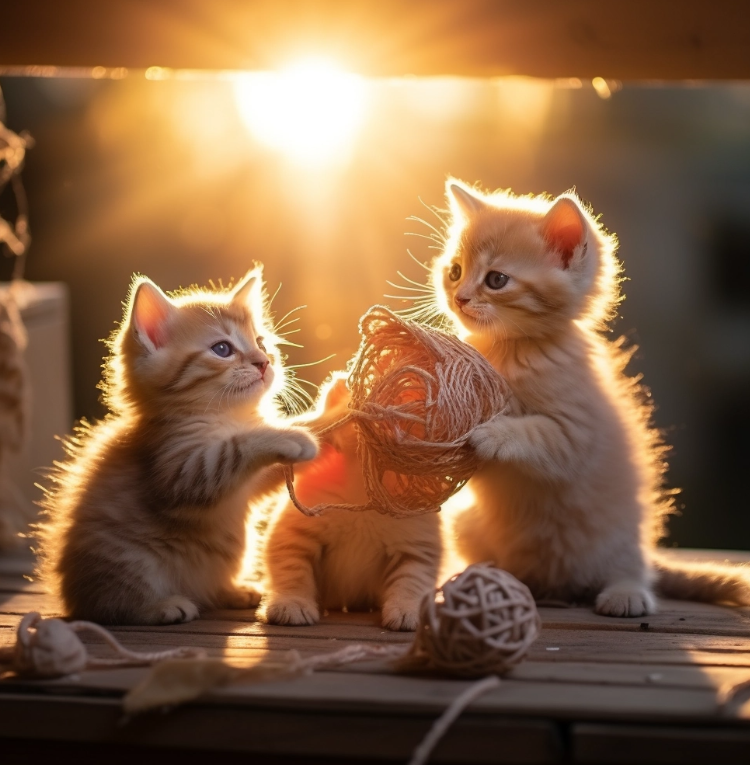
3. It’s important for kittens to spend time with other cats.
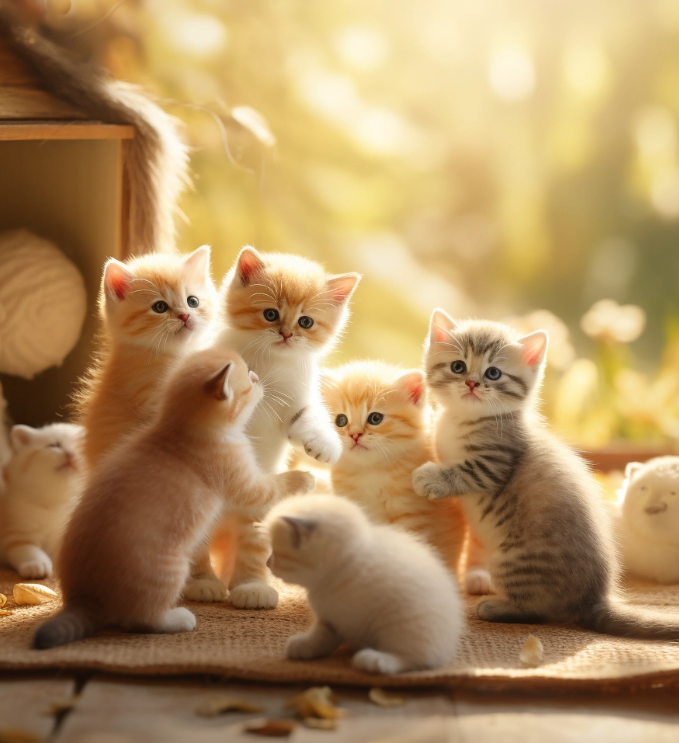
During the initial 12 weeks of their lives, kittens undergo a crucial period of socialization with other cats. They learn important behaviors and social cues from their interactions with both adult cats and their littermates.
From their mothers, kittens learn appropriate respect towards adult cats. This includes learning to respect the territory of other cats and understanding their place within the hierarchy.
Additionally, interactions with their littermates teach kittens how to communicate and interact with their peers. They learn valuable social skills such as how to play, communicate non-verbally, and resolve conflicts peacefully. This early socialization period is essential for kittens to develop healthy relationships with other cats later in life.
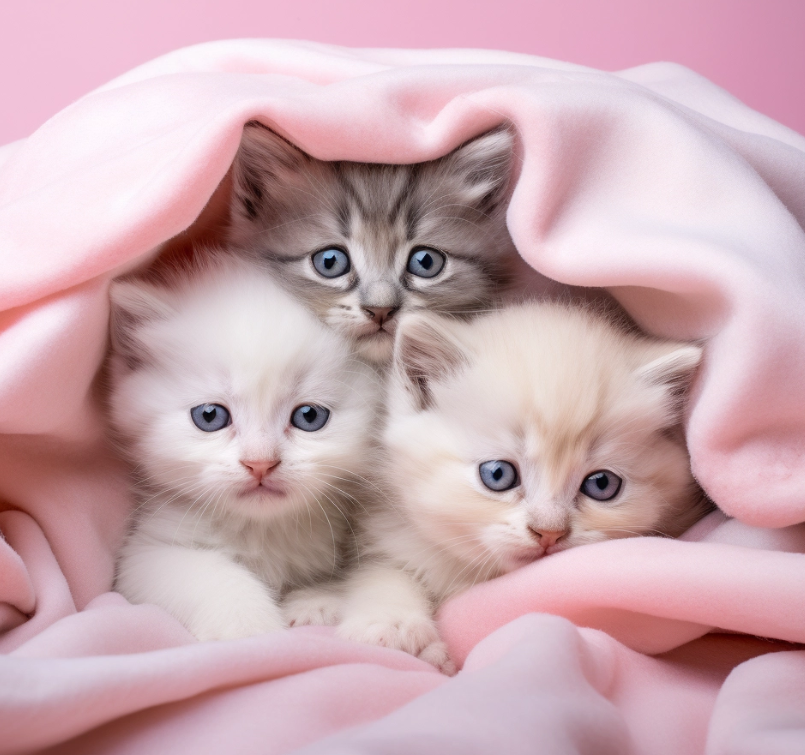
That’s when the “just feed them” myth falls apart, because orphaned kittens need nonstop warmth, nourishment, and help with elimination.
4. Kittens are born with blue eyes.
One of the most fascinating facts about kittens is the development of their eyes. Around the age of 2 weeks, kittens' eyes begin to open, revealing a striking bluish hue. Interestingly, certain breeds such as Siamese, Tonkinese, and Ragdoll kittens retain this blue eye color into adulthood.
However, it's essential to note that this blue hue is not permanent. Over the course of the kitten's first year, you may observe a variety of colors as their eyes continue to develop. Eventually, their eyes settle into their permanent color, which may differ from the initial blue tint seen at birth. This transition adds to the charm and intrigue of watching kittens grow and develop.
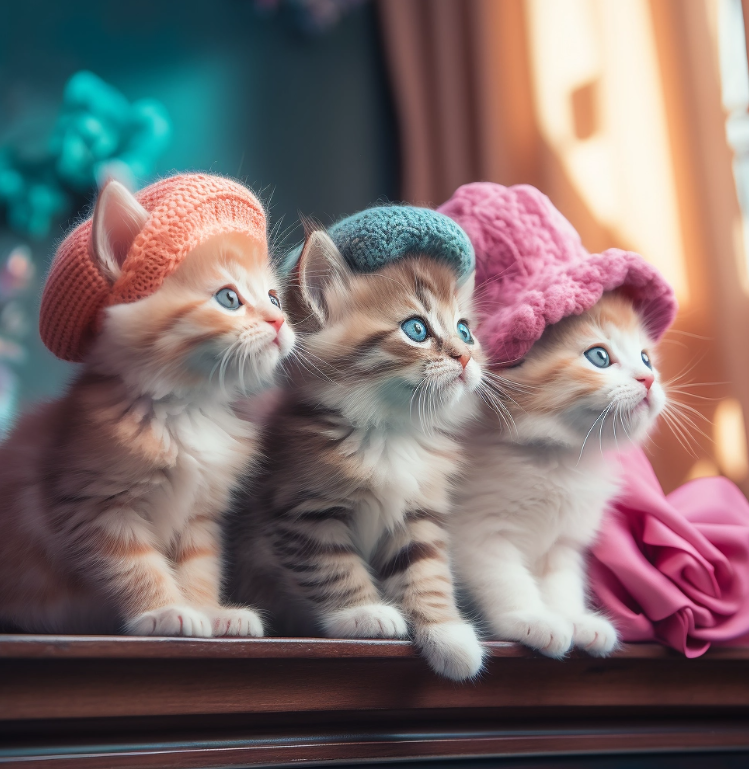
5. They have a far superior sense of smell to ours.
Cats possess a unique organ known as the vomeronasal organ, which plays a crucial role in their sense of smell. Situated at the roof of their mouths, this organ allows cats to enhance the sensitivity of their sense of smell.
By the time kittens reach 4 weeks of age, this organ is fully developed and functional. During this early stage of life, kittens heavily rely on their acute sense of smell to locate their mother. This is because their sense of sight and hearing are not yet fully developed, making their sense of smell vital for navigating their environment and finding comfort and nourishment.
6. Their sense of hearing is one of the best on the planet.
Cats possess remarkable hearing abilities, ranking among the best of all land animals. Although they are born deaf, by the time they reach 4 weeks of age, their incredible sense of hearing is fully developed.
At this stage, cats can detect sounds at a frequency of up to 65,000 cycles per second, or hertz. In comparison, humans can typically only hear sounds up to 20,000 hertz. This heightened hearing capacity allows cats to perceive a wide range of sounds in their environment, making them highly attuned to their surroundings and potential threats.
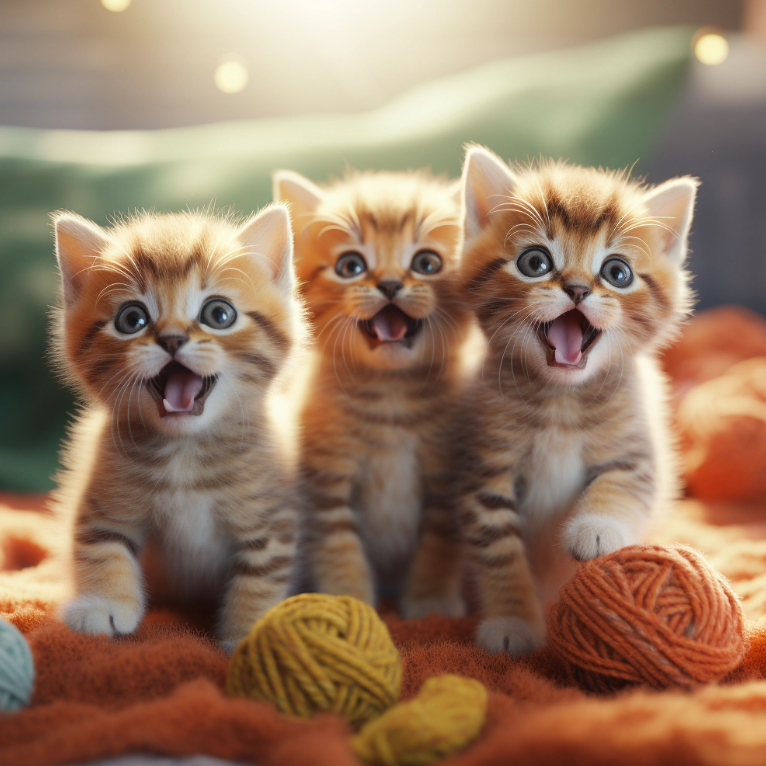
7. They see things differently.
Kittens enter the world blind, and it takes about a week or two before they open their eyes for the first time. During this period of limited eyesight, they rely heavily on their whiskers and sense of smell to navigate their surroundings.
By the time kittens reach 5 weeks of age, their eyesight becomes fully developed. However, their vision differs from ours in several ways. As nocturnal hunters, cats excel at distinguishing movement and perceiving depth better than humans. Additionally, they can see in light conditions six times dimmer than what humans require.
Despite their exceptional night vision, cats do not perceive colors in the same way humans do. While they can detect certain colors, their vision lacks the ability to see the full spectrum of colors that humans perceive.

Once those first critical weeks are handled, the next hurdle shows up at 12 weeks, when kittens have to learn social cues from adult cats and their littermates.
Feed kittens a growth diet.
Another important aspect of kitten development is the transition to solid food, which typically begins around 5 weeks of age. During this period, kittens can consume both wet and dry food, although they may require a gradual transition from kitten formula to solid food.
It's essential to select a kitten food that is specifically formulated for growth during the first year of life. Since cats are obligate carnivores, meaning they rely on meat for essential nutrients, ensure that the chosen food provides the necessary proteins and nutrients for their development. By choosing a growth formula kitten food, you can support your kitten's healthy growth and development during this crucial stage of their life.

9. They’re not finicky eaters — yet.
During this period, it's beneficial to offer kittens a variety of kitten food to prevent them from developing picky eating habits. Introducing different flavors and textures at an early age can help broaden their palate and make them more adaptable eaters in the future.
By exposing kittens to a diverse range of foods during this critical stage, you can ensure that they are receptive to dietary changes if necessary for health reasons later on. An adaptable palate will make it easier to transition their diets without encountering resistance or digestive issues. So, providing a variety of kitten food options now sets them up for a lifetime of healthy eating habits.
Want more feline surprises? Dive into 20 fascinating cat facts that will amaze you.

10. Kittens are actually easy to potty train.
Training kittens to use a litter box is often a straightforward process. Cats have a natural instinct to bury their waste in sand-like substrate, making litter box training intuitive for them.
In many cases, kittens will learn to use the litter box simply by observing their mothers. However, if direct intervention is needed, placing the kittens in the litter box can often be sufficient for them to understand its purpose.
By providing a suitable litter box filled with appropriate litter material, kittens can quickly learn to use it for elimination, contributing to a cleaner and more hygienic living environment for both them and their owners.
11. Keep the litter box clean.
It's essential to scoop the litter box at least once a day to maintain cleanliness and hygiene. If your kitten is not using the litter box, try experimenting with different types of litter until you find one that she prefers. Kittens typically gravitate towards litter that is soft and sand-like in texture.
If you notice your kitten eating the litter, it's crucial to switch to an edible formula such as corn or wheat-based litter. This ensures that your kitten remains safe and prevents any potential digestive issues. By providing the right litter material, you can encourage your kitten to use the litter box consistently and promote good litter box habits from an early age.

12. Kittens love to knead.
Kittens instinctively knead while nursing to stimulate milk flow from their mother's nipples. However, this behavior often continues into adulthood. When a cat kneads you, it's a sign of comfort and affection.
By kneading, cats seek the same sense of security and contentment they experienced while nursing with their mother. When they choose to knead on you, they are expressing trust and affection, viewing you as a source of comfort and security akin to a mother figure.
So, the next time your cat kneads on you, embrace it as a sign of their love and trust in you as their caregiver and companion.

Right around the same time the kitten-care routine matters most, their eyes start opening at about 2 weeks, revealing that unmistakable bluish hue.
13. Give kittens a smaller litter box.
Choose a litter box with low sides to allow kittens to enter and exit easily on their own. As they grow, upgrade to a litter box that is approximately one-and-a-half times their length to accommodate their increasing size and comfort.
This ensures that the litter box remains accessible and suitable for their needs as they transition into adulthood.

14. They’re easy to groom at this age.
Get into the habit of handling your kitten's paws and gently opening their mouths to examine their teeth regularly. This practice will familiarize them with the sensation and make tasks like nail trimming, administering medication, and tooth brushing much easier when they reach adulthood.
By starting these grooming routines early on, you'll help your kitten develop trust and cooperation, ensuring smoother experiences for both of you in the future.
15. Fleas are especially dangerous to kittens.
Fleas pose serious health risks to kittens, including the transmission of tapeworms and various diseases. In young kittens, these parasites can lead to anemia, which can be fatal if left untreated. Additionally, improper use of flea-control products can be dangerous and even fatal.
To effectively manage fleas on your kitten, follow the directions provided on flea-control product packaging carefully. Consider using a flea comb, bathing your kitten, and washing their bedding regularly to help eliminate fleas and their eggs. It's also essential to vacuum your home frequently to combat flea infestations.
For personalized guidance and advice on flea control, involve your veterinarian. They can recommend safe and effective flea-control methods tailored to your kitten's specific needs and circumstances, ensuring their health and well-being are protected.
16. Save them from themselves.
Curious kittens have a natural tendency to explore anything within their reach. It's essential to take proactive measures to ensure their safety by thoroughly examining your home for potential hazards.
Scan your living space for any items or substances that could pose a danger to your kitten, such as small objects they could swallow, toxic plants, electrical cords, or household chemicals. Safely store away or secure any hazardous items to prevent accidental ingestion or injury.
By carefully assessing your home environment and removing potential dangers, you can create a safe and secure space for your curious kitten to explore and thrive without risk of harm.
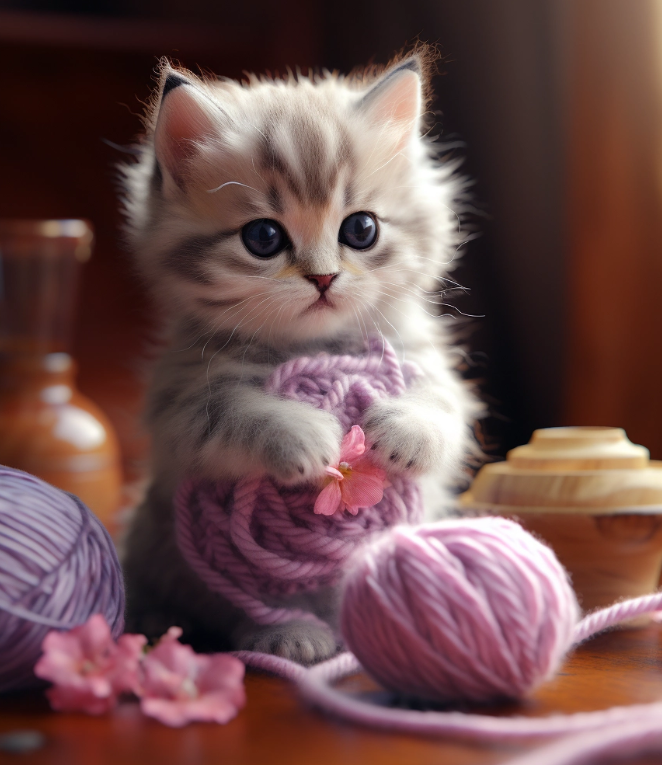
Then you realize the whole kitten timeline is connected, fragile survival first, social learning next, and those blue eyes lingering into adulthood for breeds like Siamese and Ragdoll.</p>
17. Teach your kitten appropriate scratching behaviors.
Help your kitten get accustomed to appropriate scratching surfaces such as sisal and corrugated cardboard. These materials offer satisfying textures that feel good for your kitten to scratch and can help redirect their natural scratching instincts away from your furniture.
Provide designated scratching posts or pads in various areas of your home, encouraging your kitten to use them by rubbing catnip on the surface or gently guiding their paws to scratch. Consistently reinforcing this behavior will help deter them from scratching your furniture and promote healthy scratching habits.
By offering enticing scratching alternatives and positively reinforcing their use, you can protect your furniture while ensuring your kitten's natural scratching needs are met.

18. They need to play politely.
Redirect any aggressive play involving your hands or feet towards a toy to prevent your kitten from developing the habit of biting and scratching people. Encourage interactive play with toys that allow your kitten to engage in natural hunting behaviors, such as chasing, pouncing, and batting.
Whenever your kitten displays aggressive behavior towards your hands or feet, immediately stop the interaction and offer them an appropriate toy to play with instead. This helps to reinforce positive play behaviors and teaches them that toys, not hands or feet, are acceptable targets for play.
Consistency is key in redirecting aggressive play, so be patient and persistent in guiding your kitten towards appropriate play behaviors. By providing engaging toys and redirecting their attention away from hands and feet, you can foster healthy play habits and prevent potential injuries to yourself or others.
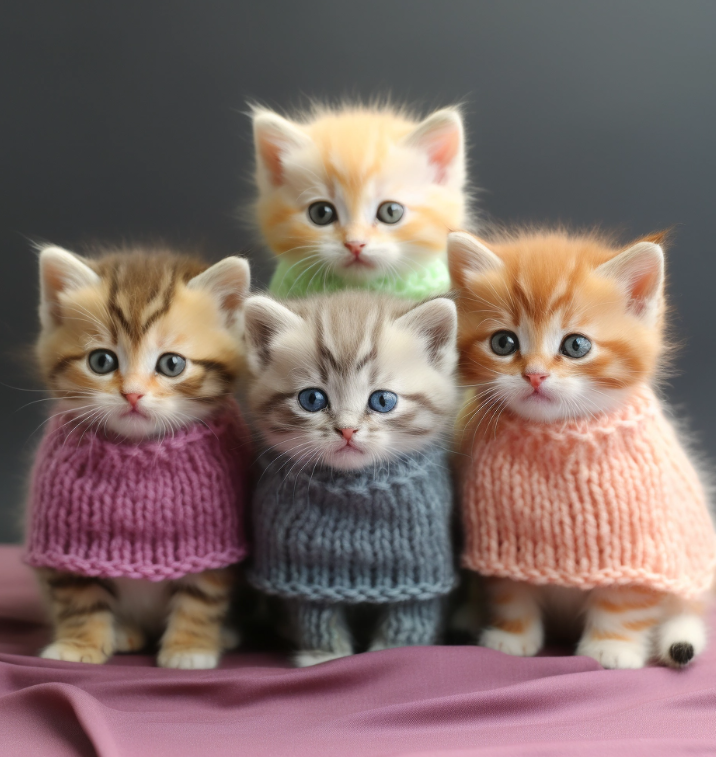
19. Create a safe room for your kitten.
Before bringing your kitten home, it's essential to prepare a safe and enclosed space where she can adjust comfortably. Set up this designated area with necessities such as food and water dishes, a litter box, a scratching post, and a cozy bed.
Allow your kitten to stay in this room initially before gradually introducing her to the rest of the house. A big and unfamiliar environment can be overwhelming for a young kitten, so starting in a smaller space allows her to acclimate gradually and feel more secure.
By providing a familiar and controlled environment, you can help your kitten feel at ease as she begins to explore her new surroundings. This approach encourages a smoother transition and helps foster a sense of comfort and security for your new furry friend.

20. Keep up with those vet appointments.
Schedule a visit to the vet for your kitten to receive vaccinations, deworming, and a comprehensive health check. It's crucial to discuss any concerns or symptoms with your vet, including cold-like symptoms or other health issues. Additionally, consult with your vet about the optimal age for spaying or neutering your kitten.
The first wellness check is essential for ensuring your kitten's health and well-being. Your vet can provide valuable guidance on preventive care, nutrition, and behavior, setting a solid foundation for your kitten's lifelong health. Regular veterinary care is key to keeping your kitten happy and healthy throughout their life.
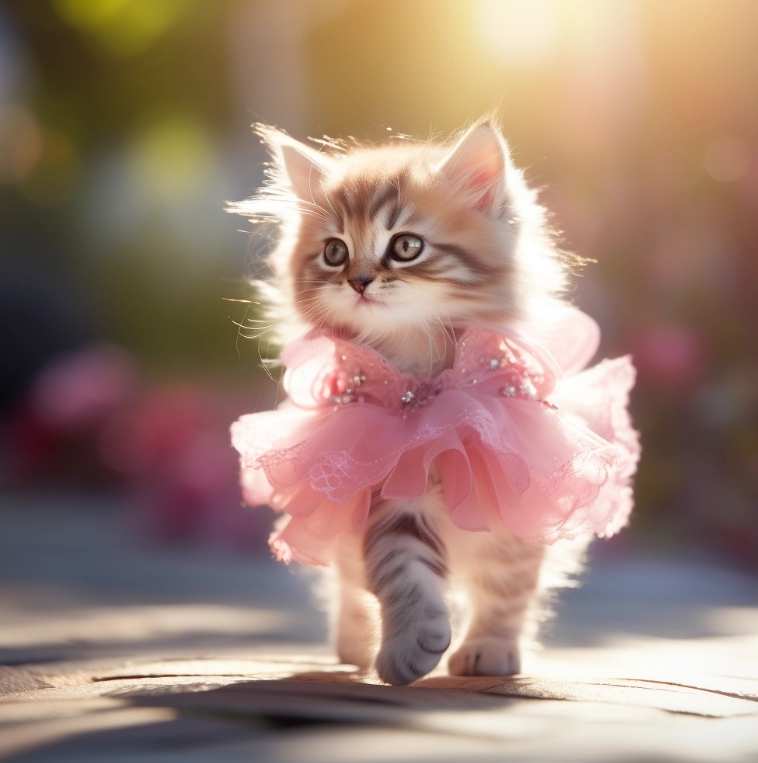
21. Kittens can become parents.
Kittens can be spayed as early as 8 weeks of age, and it's crucial not to delay this procedure. By the time they reach 5 months, they can already go into heat and potentially become pregnant. Spaying or neutering your kitten at an early age helps prevent unwanted behaviors associated with the heat cycle, such as urine marking and excessive vocalization.
Don't wait to schedule the spaying or neutering procedure for your kitten. Acting early not only helps prevent unplanned litters but also promotes a healthier and more contented life for your pet by reducing the likelihood of behavioral issues related to reproductive hormones.

22. They’re not kittens for long.
Kittens undergo various stages of growth, transitioning from infancy to young adulthood within the first two years of life. During this time, their physical characteristics, such as eye color, coat color, pattern, and length, as well as their personality traits, become well-established by the age of 2.
This developmental journey takes them through infancy, childhood, adolescence, and into young adulthood, during which they undergo significant physical and behavioral changes. By the time they reach 2 years of age, kittens have typically fully matured both physically and emotionally, showcasing their distinct characteristics and personalities.
The real shock is how much survival and social training happens before a kitten even knows how to meow.
After learning how kittens need constant care, watch this kitten nod off while sitting.
Share this article:





