
Dog Owner Is Curious On Why Dogs Are Sniffing Around Before Pooping And The Redditors' Thoughts Are Absolutely Hilarious

Dogs sniff a lot, but the pre-poop sniffing ritual still manages to confuse plenty of people. In this Reddit thread, one dog owner asked why their pup seems to circle, sniff, and hesitate before finally doing the deed.
The question opened the door to a pile of funny replies, with Redditors offering everything from territory theories to pure chaos. The result is part dog behavior mystery, part comedy show, and all very relatable for anyone who has ever waited on a stubborn pet.
And once the comments start rolling in, the explanations get almost as entertaining as the habit itself.
OP asking the u/Dogtraining subreddit community.
Just like everyone else, this dog owner was also wondering why their dog was sniffing, trying to find a spot before pooping. Scroll down to see other Redditors' thoughts on why dogs do this.
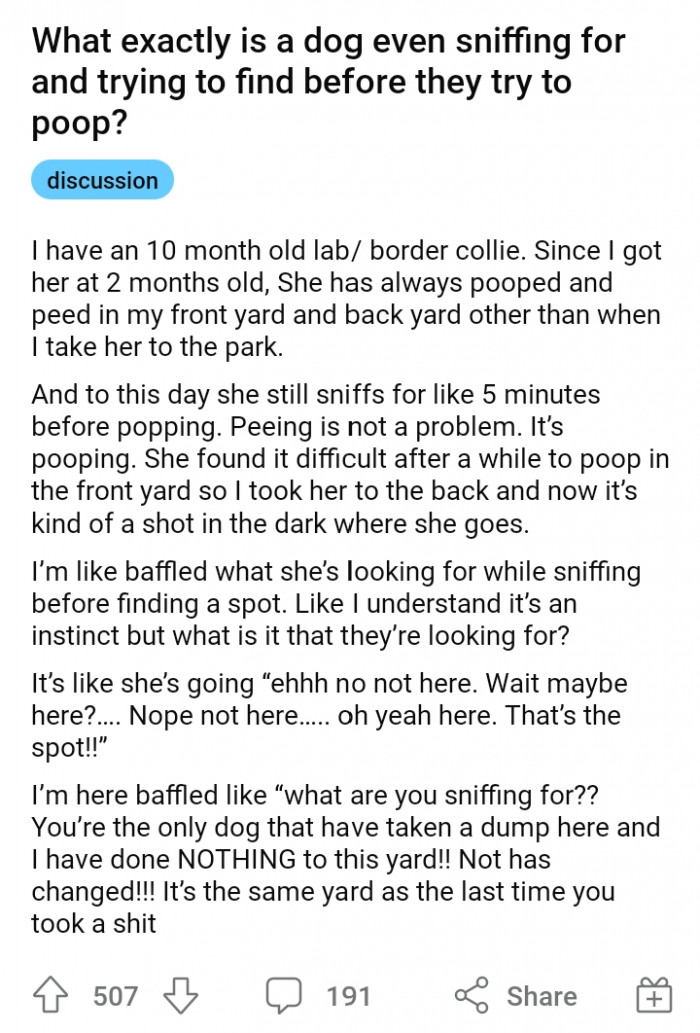
#1 These are just one of those moments where dogs test their hooman's patience.
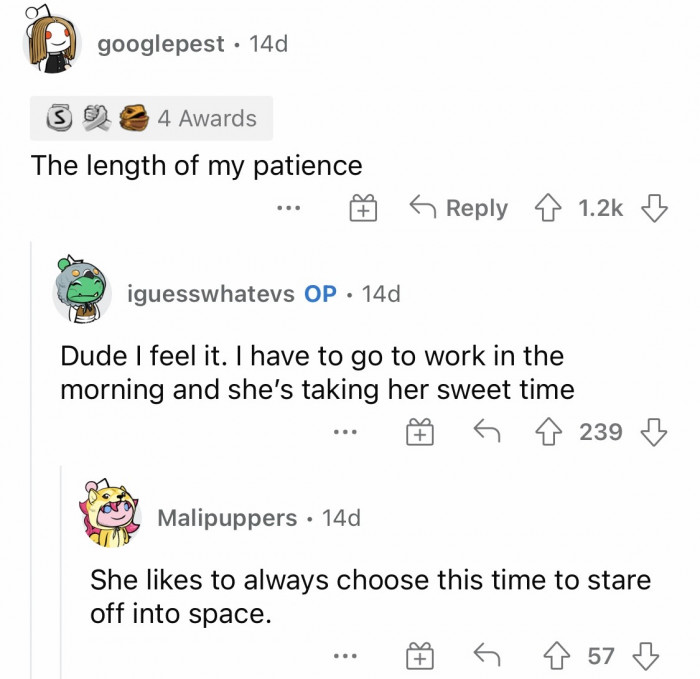
#2 You might probably wonder how they can relax while pooping.
The article delves into the intriguing habit of dogs sniffing before they relieve themselves, highlighting their remarkable olfactory abilities. With an astonishing 300 million scent receptors, dogs surpass humans, who have only 5 million, in their capacity to interpret the world through smell. This innate talent enables dogs to gather extensive information about their environment, including the presence of other animals and potential hazards. The act of sniffing prior to defecation serves as a critical assessment tool for dogs, allowing them to gauge their surroundings and make informed decisions.
Moreover, the analysis suggests that this sniffing ritual can also be indicative of a dog's emotional state. In unfamiliar settings, dogs may engage in more extensive sniffing as a way to alleviate anxiety and establish a sense of security. Understanding these behaviors can empower dog owners to create a more enriching and supportive environment, recognizing that each sniff serves a purpose in their pet's exploration and emotional well-being.
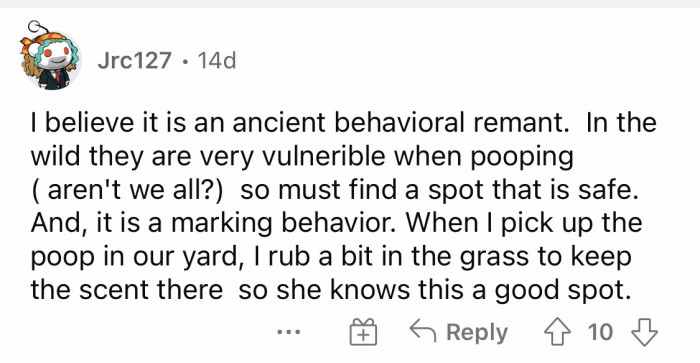
The curious habit of dogs sniffing around before they relieve themselves is not merely quirky behavior; it is deeply rooted in their instinctual and evolutionary traits. This pre-pooping ritual serves various purposes, including marking territory and gathering essential information about their environment. As highlighted in the article, dogs possess an extraordinary sense of smell, which allows them to assess their surroundings and communicate effectively with other dogs. This behavior is not only crucial for their social interactions but also reflects the intricate and complex nature of canine communication. The hilarity of the Redditors' responses underscores the shared fascination and amusement surrounding this natural instinct, reminding us that even the simplest actions of our pets are steeped in survival and social significance.
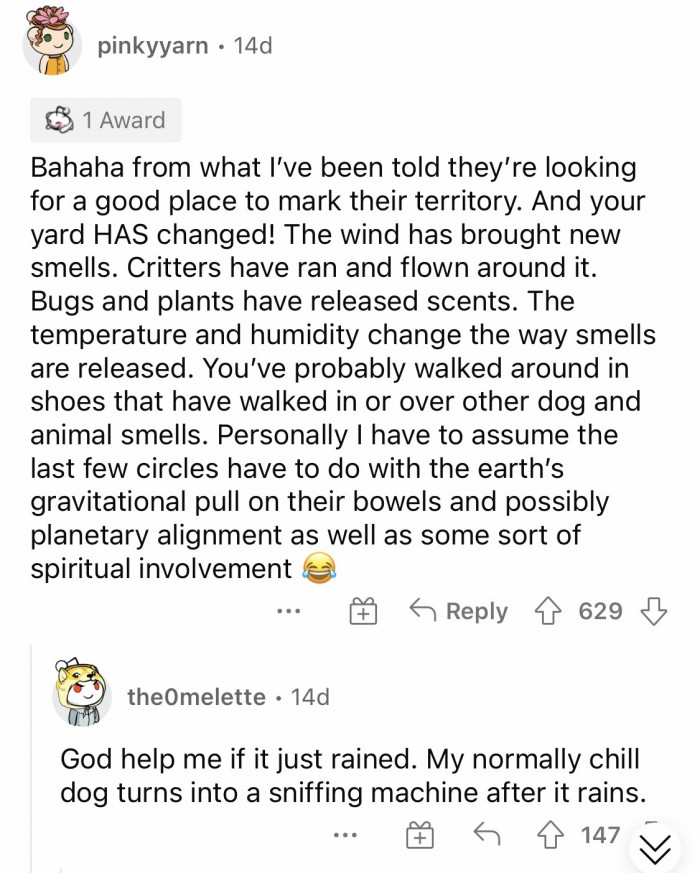
#3 Probably caused by gravitational pull, planetary alignment, or spiritual involvement?
#4 If hoomans knew what their dogs were thinking.
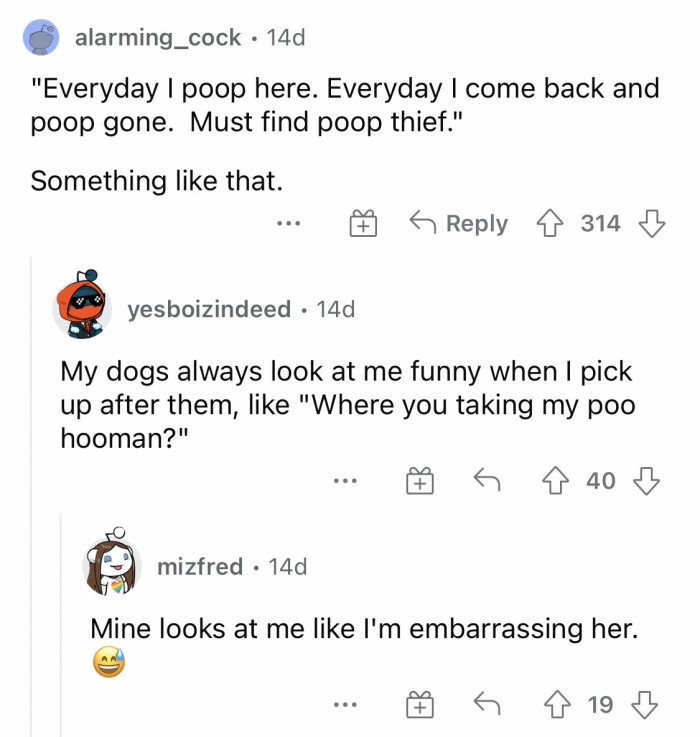
#5 They constantly change their mind.
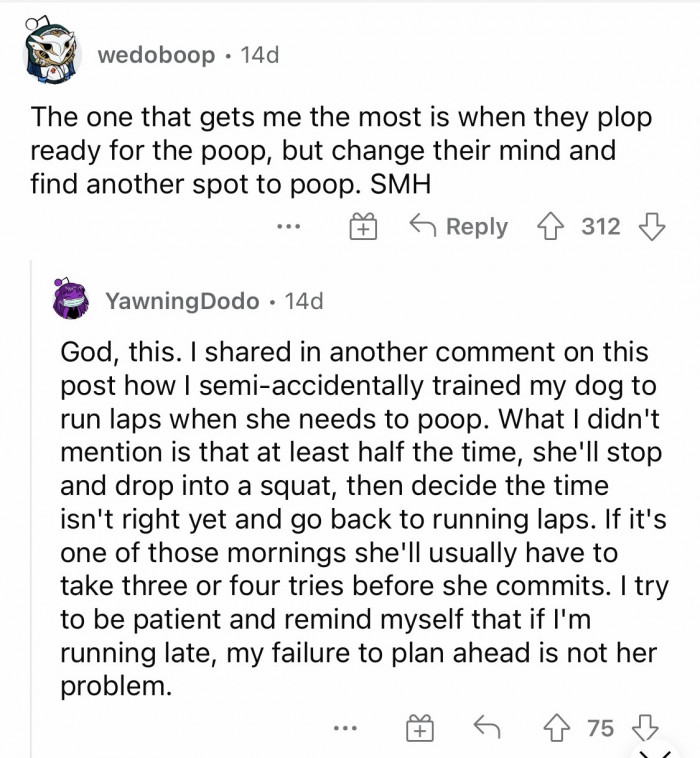
Sniffing serves as a way for dogs to engage with their environment and establish a sense of control. When dogs sniff before they poop, they are essentially taking a moment to gather information and feel secure in their surroundings. This behavior is not merely a pre-pooping ritual; it's a coping mechanism that reflects a dog's emotional state.
Understanding this context is crucial for dog owners, especially those with anxious pets. By creating a safe and familiar environment where their dogs can roam freely and explore, owners can help alleviate feelings of insecurity that may arise during outdoor bathroom breaks.
Moreover, this sniffing behavior can also be linked to a dog's emotional state. Dogs often engage in sniffing as a way to calm themselves before performing a potentially vulnerable act like defecation. Research indicates that this behavior can serve as a self-soothing mechanism, helping dogs feel more secure in their environment.
Understanding these nuances is essential for dog owners aiming to create a supportive atmosphere for their pets.
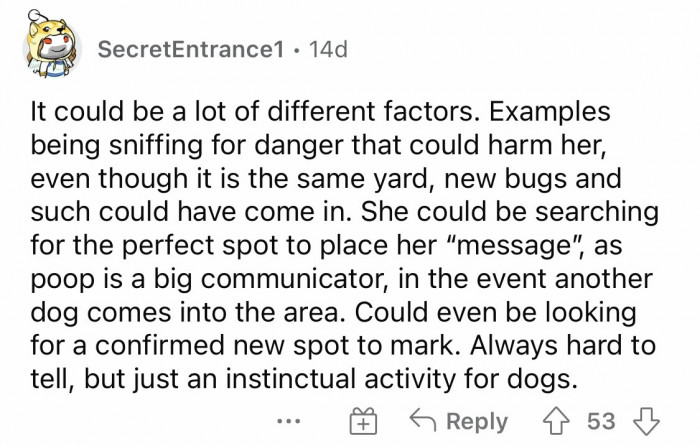
#6 Indeed, it is an instinctual activity for dogs.
#7 Dog be like: Don't look at me. My poop is shy and won't come out.
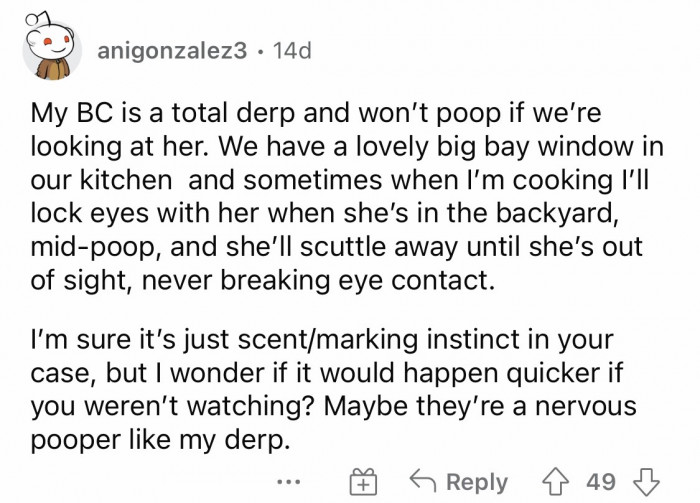
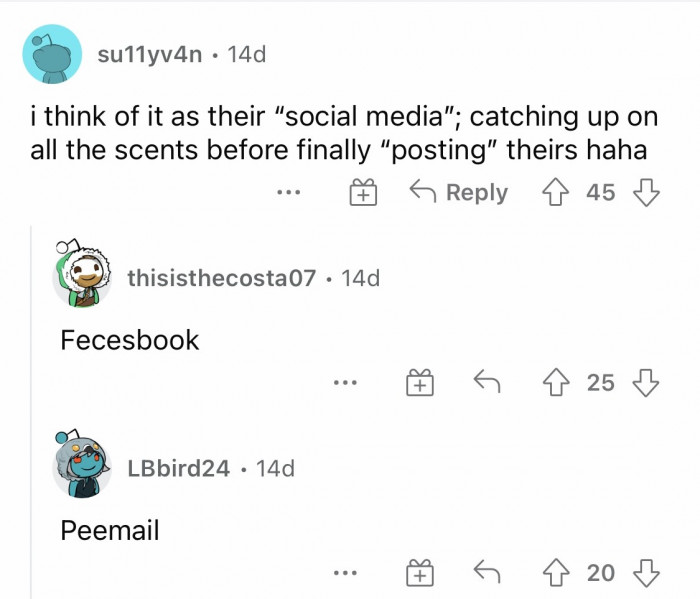
#8 "Fecesbook" is on point!
Social Aspects of Dog Sniffing
Dogs are inherently social animals, and their sniffing behavior can also be linked to their interactions with other dogs. A study published in the journal 'Behavioral Ecology' highlights how dogs utilize scent to communicate with one another, allowing them to discern social hierarchies and reproductive statuses.
When a dog sniffs before pooping, it may be gathering information about other dogs that have previously visited the same area, which can influence its own behavior. This social sniffing is a form of social learning that helps dogs adjust their actions based on the behaviors of others in their vicinity. Understanding this social component can enhance the way dog owners interact with their pets and manage their socialization, particularly in communal spaces like dog parks.
The Role of Routine in Canine Behavior
Establishing a routine for bathroom breaks can enhance a dog's sense of security and predictability.
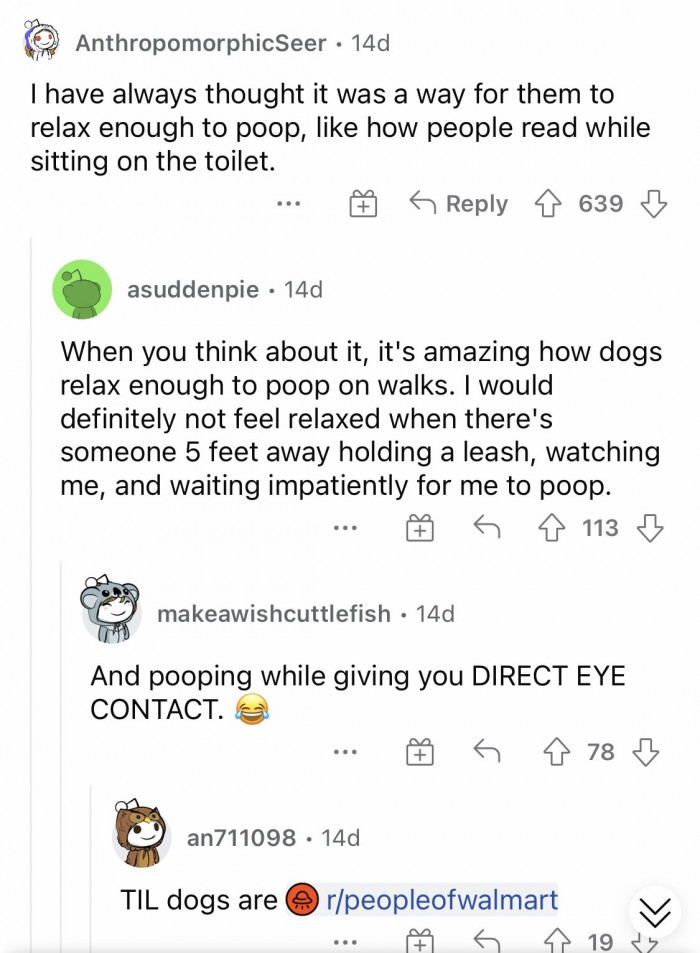
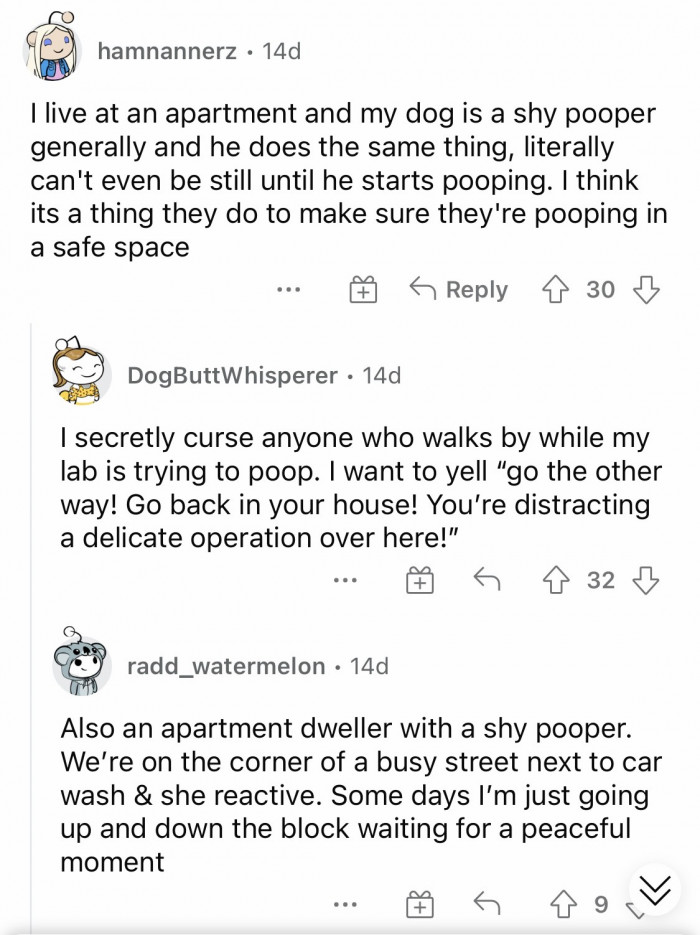
#9 "I think it's a thing they do to make sure they're pooping in a safe space."
#10 Donation to the sun gods? Hilarious.

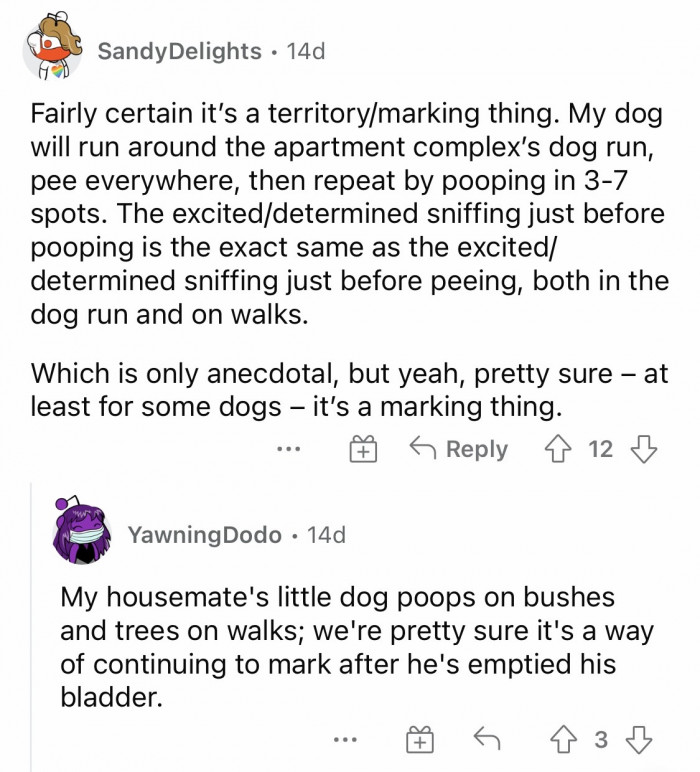
#11 "Fairly certain it's a territory/marking thing."
Research in canine behavior indicates that dogs often engage in ritualistic behaviors as a means of coping with stress or anxiety. A study by the University of Bristol found that dogs displaying compulsive behaviors often have underlying anxiety issues that can manifest in various ways, including excessive sniffing. This is where understanding the psychological underpinnings of dog behavior can assist owners in promoting healthier coping strategies.
For anxious dogs, providing a structured routine that includes regular outdoor time can help mitigate stress. Engaging in play and exercises that stimulate both physical and mental activity can also reduce anxiety levels. Owners should ensure that their dogs have ample opportunities to explore new environments safely, which can help build their confidence over time.
And if you think sniffing is funny, this dog owner’s pet weird routine after dinner will crack you up.
Encouraging dogs to engage in sniffing before pottying can be beneficial for their mental stimulation.
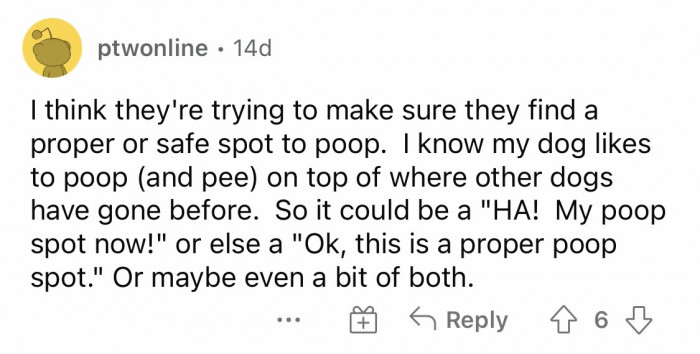
#12 They need to know where the good spot is.
#13 "I think it's for inspiration."

#14 "HA! My poop spot now!"
The Role of Training and Environment
Training plays a crucial role in shaping a dog's behavior, including their sniffing habits. Positive reinforcement training can help dogs develop healthy routines and reduce anxiety-related behaviors. By rewarding dogs for calm behavior during outdoor bathroom breaks, owners can encourage a more relaxed approach to sniffing and pooping.
Furthermore, creating an inviting and familiar space for dogs to relieve themselves can positively impact their overall behavior. Dogs, like humans, thrive in environments that are predictable and safe. Owners should consider establishing a designated bathroom area at home or in the yard that remains consistent over time, which can help dogs feel more secure when they need to go.
The Benefits of Observation in Pet Care
Observing canine behavior can provide valuable insights into a dog's needs and preferences. Paying attention to a dog's body language and actions can help owners better understand their pets. Research indicates that dogs communicate their feelings through their behavior, and being attuned to these signals can enhance the owner-pet relationship.
By fostering a greater awareness of canine behavior, owners can respond more effectively to their dogs' needs, leading to improved care and bonding.
#15 They don't poop on the spot that they smell?
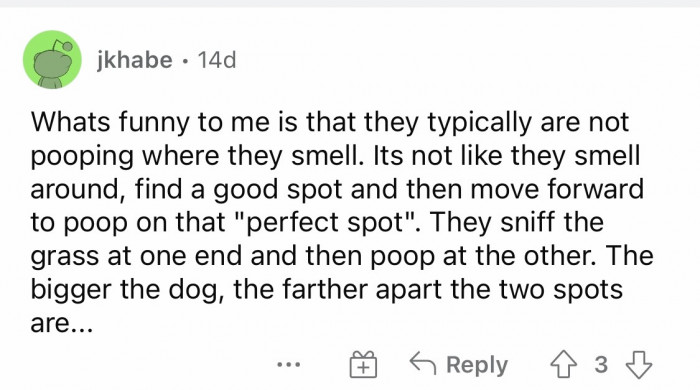
#16 This one seems strange.
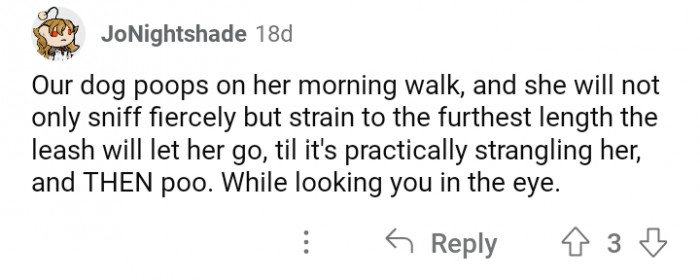
#17 Mystery it is.

Understanding the cues that dogs rely on is vital for effective communication between pets and their owners. A study published in the 'Journal of Veterinary Behavior' emphasizes that dogs are highly adept at reading human emotions and responding accordingly. This sensitivity can extend to their sniffing behaviors, where they may pick up on an owner's stress or anxiety, potentially influencing their own bathroom habits.
For dog owners, being mindful of their emotional state during walks can help create a more relaxed environment for their pets. Practicing mindfulness techniques, such as deep breathing or grounding exercises, can assist owners in maintaining a calm demeanor, which in turn can foster a sense of security for the dog.
Encouraging owners to engage with their dogs during bathroom breaks can also strengthen their bond. Providing positive reinforcement, such as praise or treats, when the dog successfully uses the bathroom can enhance the emotional connection. Research shows that positive interactions during routine activities can significantly improve the owner-pet relationship.
This not only benefits the dog's emotional well-being but also fosters a deeper sense of partnership between the owner and pet.
#18 Detecting the scent of other dogs or the smell of predators.
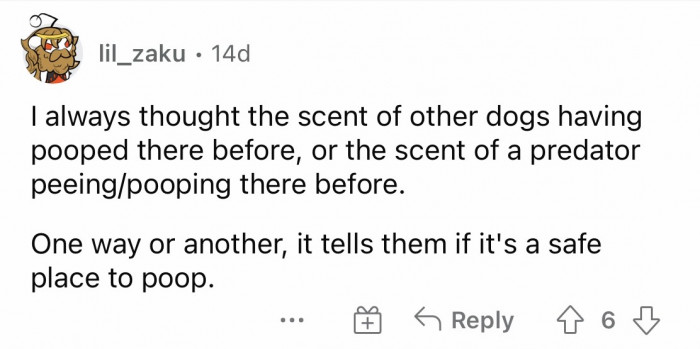
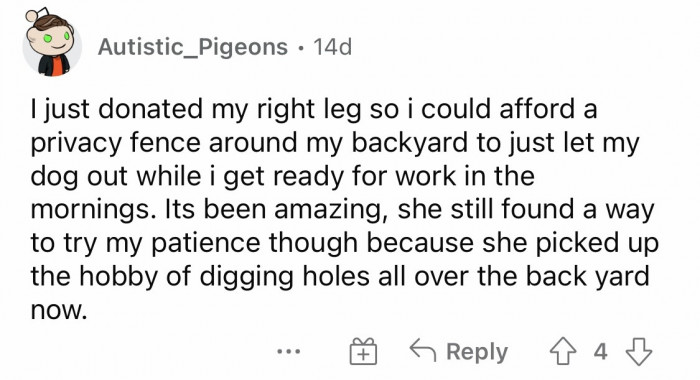
#19 Testing patience because of the dog's new hobby.
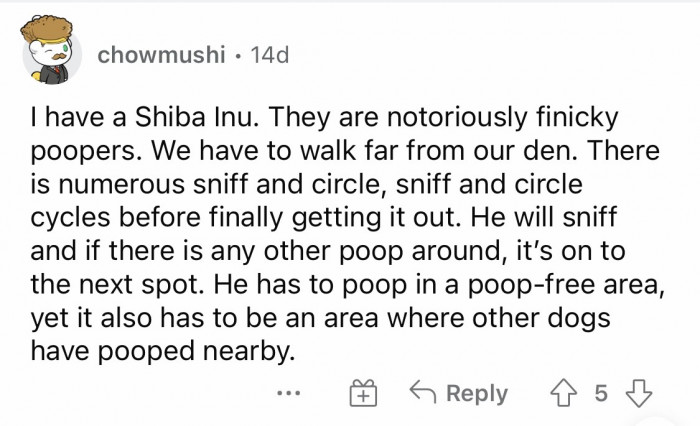
#20 "He has to poop in a poop-free area, yet it also has to be an area where other dogs have pooped nearby."
Behavioral Patterns and Individual Differences
It's essential to recognize that individual dogs may exhibit distinct sniffing behaviors based on their personality traits and past experiences. Research in canine psychology has shown that factors such as breed, age, and prior socialization experiences can significantly influence a dog's behavior. For instance, more curious and exploratory breeds may engage in longer sniffing sessions compared to more reserved breeds.
Owners should take the time to observe their dogs' unique behaviors and patterns. Tailoring training and environmental experiences to meet the specific needs of a dog can enhance their quality of life. Providing opportunities for positive social interactions and varied outdoor experiences can help dogs build confidence and reduce anxiety, leading to a more balanced and happy pet.
Exploring the Science of Smell
Dogs' incredible sense of smell is a fascinating aspect of their biology that influences their behavior. This remarkable ability allows them to detect scents in ways that humans cannot comprehend, leading to unique behaviors like sniffing before pooping, which serves as a vital form of communication.
Understanding this aspect of canine behavior can enhance the way owners interact with their pets, providing insights into their natural instincts.
Whatever the reason behind this sniffing behavior, it cannot be denied that dog owners are also observant of where and how their dogs are pooping. Potty training is one of the responsibilities that any responsible dog owner should undertake.
How about you? Have you noticed your dog's pooping behavior?
Is it like the ones mentioned in this post, or does your dog have other weird or funny pooping habits? Please feel free to comment down below!
Encouraging owners to engage in scent-based activities can also enhance a dog's quality of life. Activities like scent games or tracking can provide mental stimulation and satisfy a dog's natural instincts. Research suggests that engaging dogs in scent work can lead to improved behavior and reduced anxiety.
By incorporating these activities into a dog's routine, owners can contribute positively to their pet's emotional and psychological well-being.
The curiosity surrounding why dogs sniff before they poop sheds light on their complex behavioral patterns and communication methods. This instinctual behavior plays a vital role in how dogs navigate their environment and connect with one another. The article illustrates how these sniffing rituals are not merely frivolous actions but integral to their social interactions.
By acknowledging and accommodating these natural instincts, dog owners can significantly improve their pets' emotional health and reinforce their bond. Recognizing the importance of these behaviors is essential for fostering a happy and well-adjusted canine companion.
The curious behavior of dogs sniffing before they poop reveals much about their instinctual nature and social awareness.
Wondering how service dog owners handle potty breaks on buses, see how the service dog can wait during transit.
Share this article:





