Dads Who Went From "No Pets Allowed" to "Best Friends Forever" in 21 Hilarious Photos

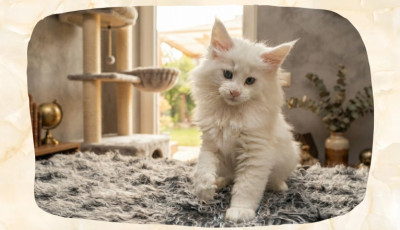
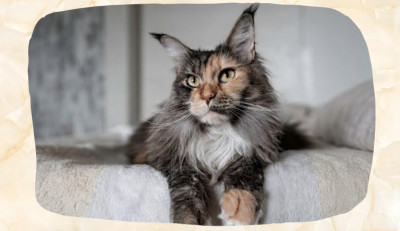
“No pets allowed” is one of those rules that sounds firm until a tiny kitten shows up like it owns the place. In this family, the dad started out loud, dramatic, and 100% against it, then somehow ended up the one doing the cuddling.
First it was the “we are never getting a cat” declaration, followed by the wife bringing home a kitten anyway, then the whole house acting like the kitten was the missing puzzle piece. And it gets even messier from there, because once the dad realized he was outnumbered by furballs, he went from refusing the dog to becoming the dog’s favorite human, plus the rabbit, the hairless cat, and the backyard “princess” that required nightly safety checks.
Got mad when his wife brought home a kitten. Now it’s his son
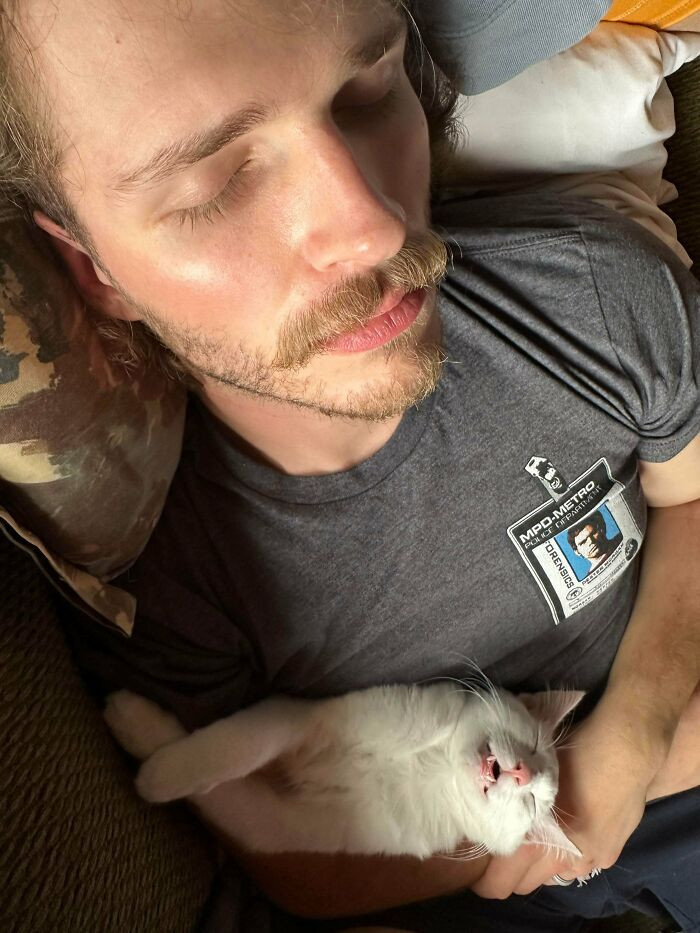
“We are never getting a cat.” The cat disagreed...and won.
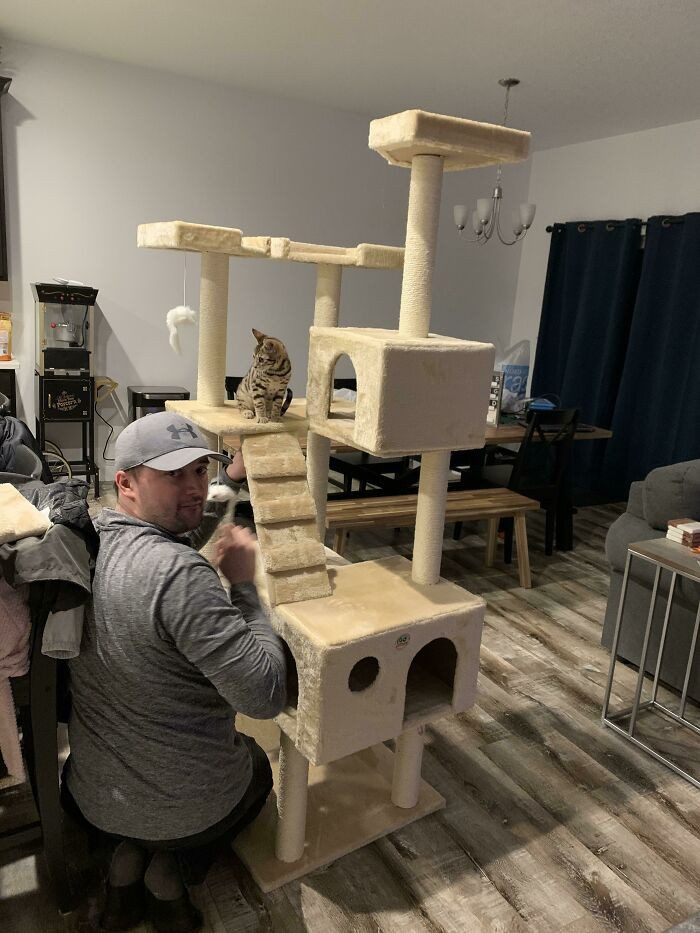
The “no kitten” rule didn’t last long. Now they nap together every chance they get
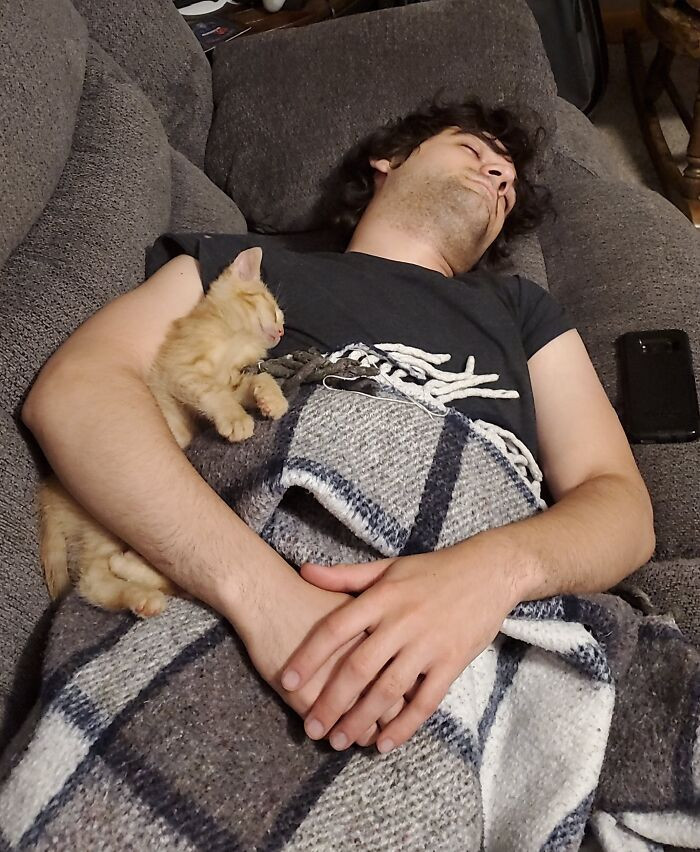
The Bond Between Dads and Pets
When dads initially resist pet ownership, it's often due to practical concerns or preconceived notions about responsibility. However, once a pet is introduced, the bond that forms can transform their perspective, leading to nurturing behaviors.
This change isn’t just about the pet; it reflects a deeper emotional connection that often enhances family cohesion.
“I will not be raising that dog.” Proceeds to become the dog’s favorite human
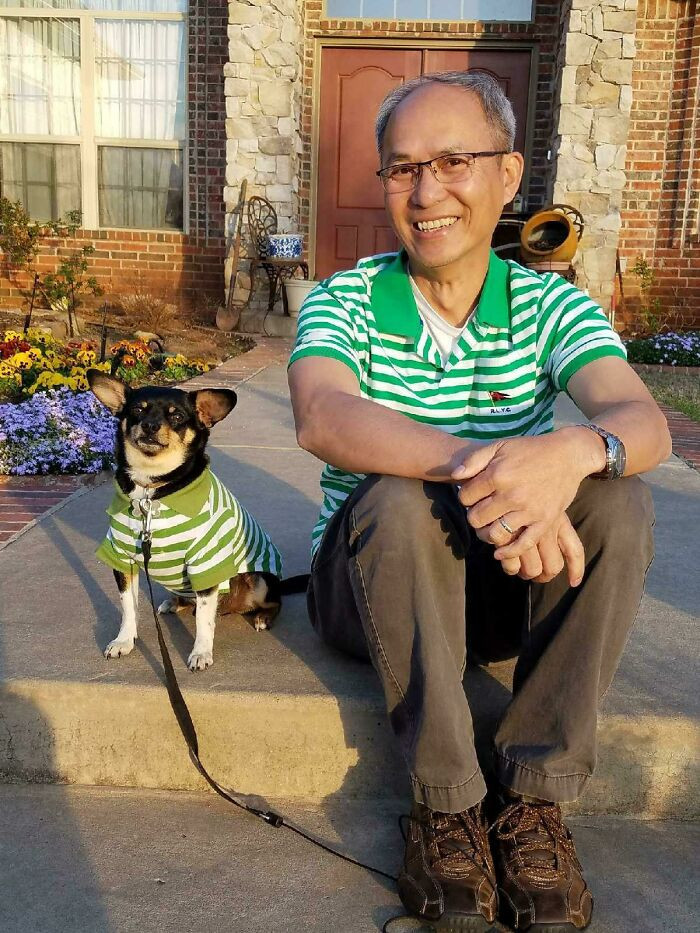
The “rabbit we didn’t need” is now Dad’s favorite travel buddy
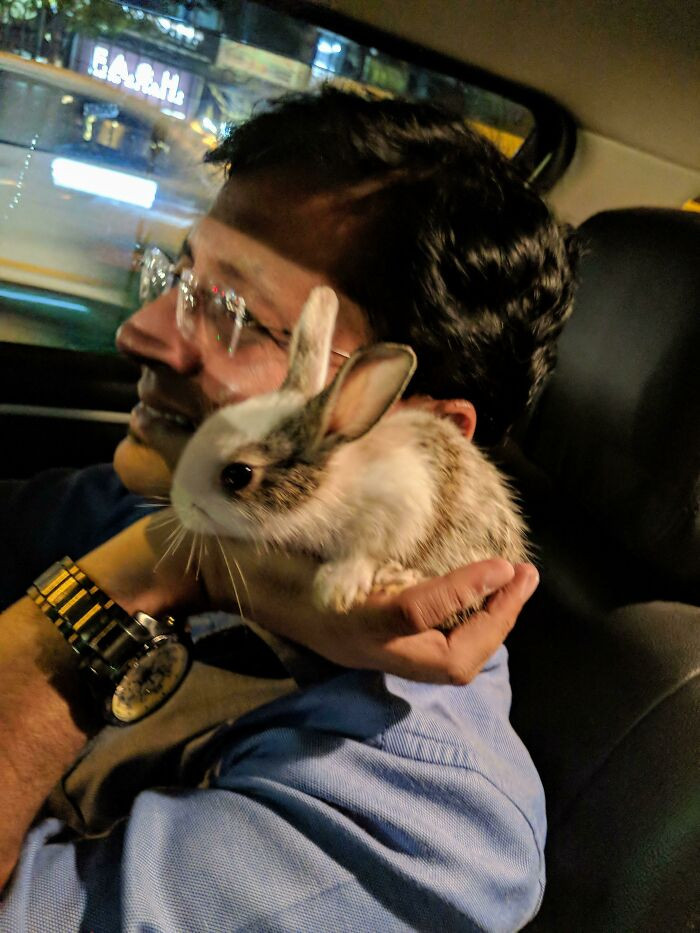
The Dad who didn’t want a dog found his greatest healer in one
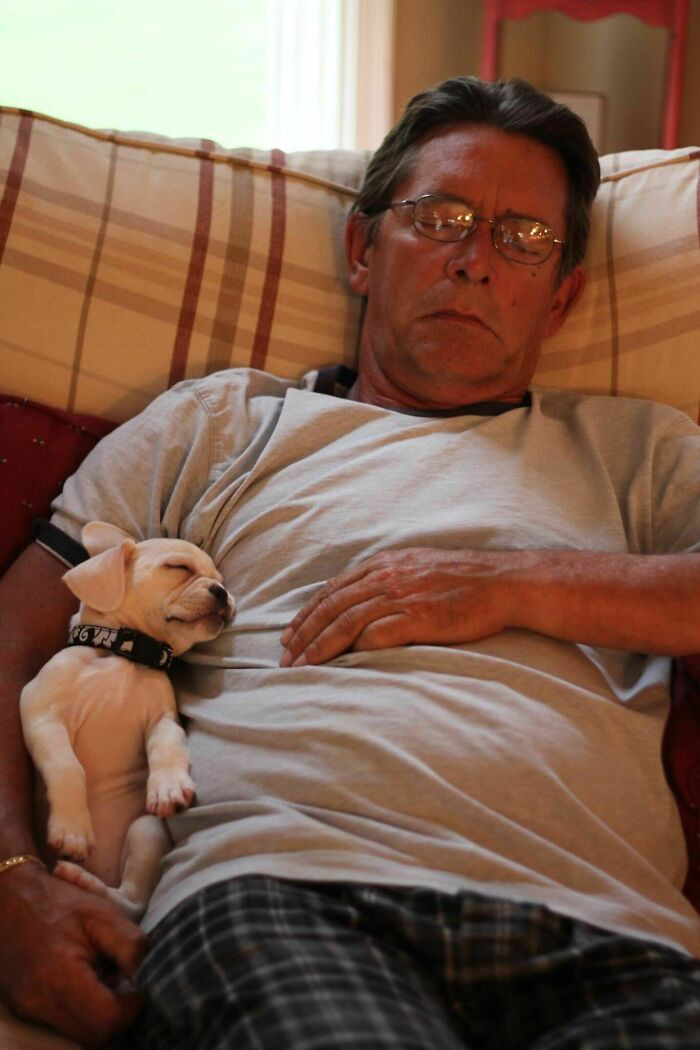
That “we are never getting a cat” line lasted exactly long enough for the wife to bring home the kitten and watch the dad lose instantly.</p>
Interestingly, research shows that engaging with pets can have therapeutic benefits. A study published in the Journal of Personality and Social Psychology found that pet ownership can significantly reduce stress levels and increase happiness.
When dads embrace pets, they often experience a shift in their emotional landscape, leading to increased joy and a sense of purpose. A pet can become a source of comfort, fostering emotional growth in both parents and children.
Caught mid-hug. So much for “I don’t want a dog"
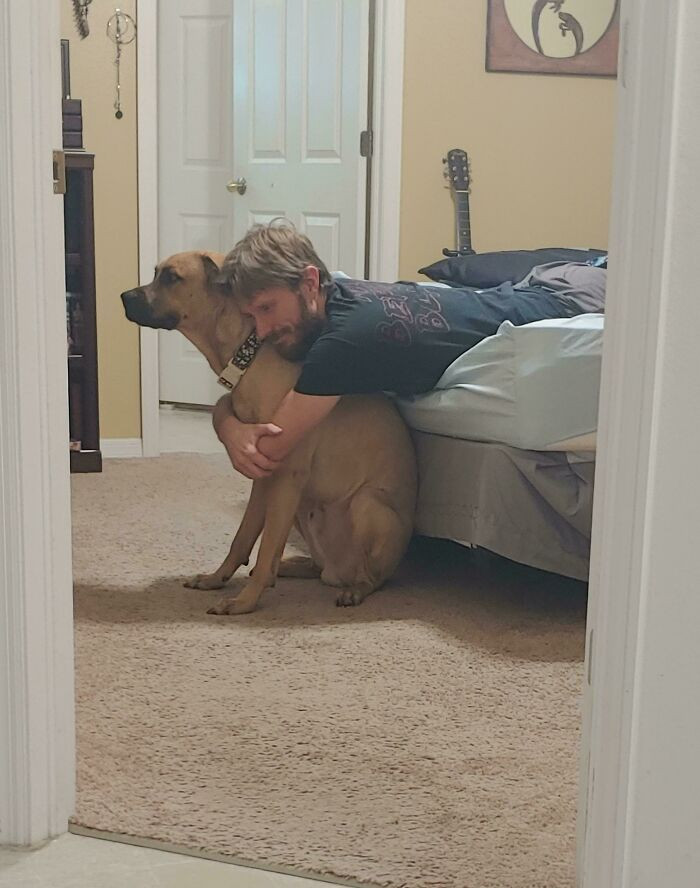
From cautious to completely smitten, he’s officially outnumbered
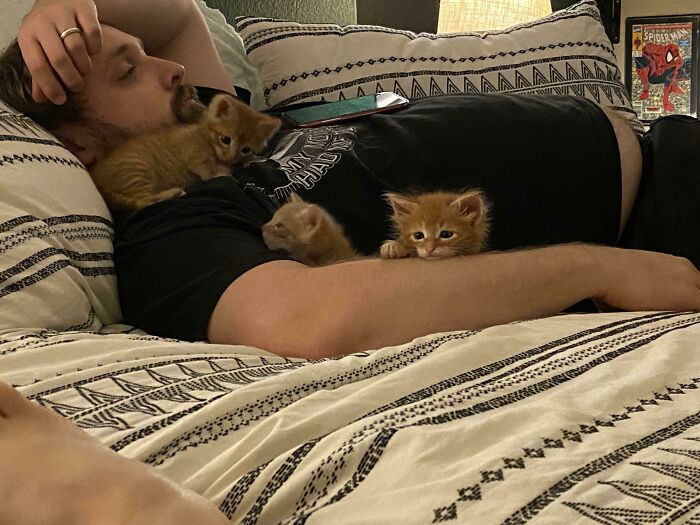
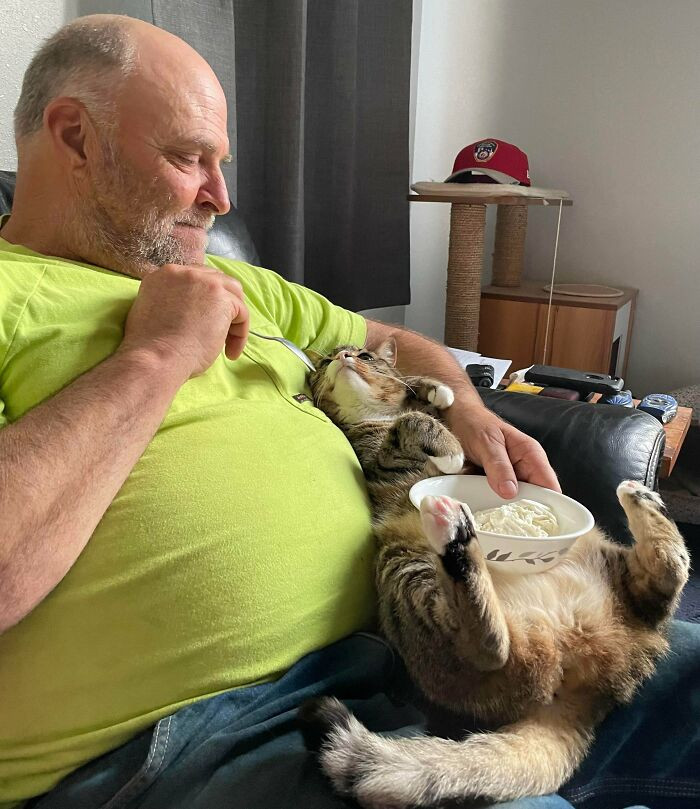
He once swore cats weren’t friendly, but now they share vanilla ice cream like best friends
Next thing you know, the same guy who swore off a dog is getting caught mid-hug, and the family’s whole vibe has shifted.</p>
Parents can introduce structured pet care routines that teach kids about responsibility, empathy, and nurturing behavior.
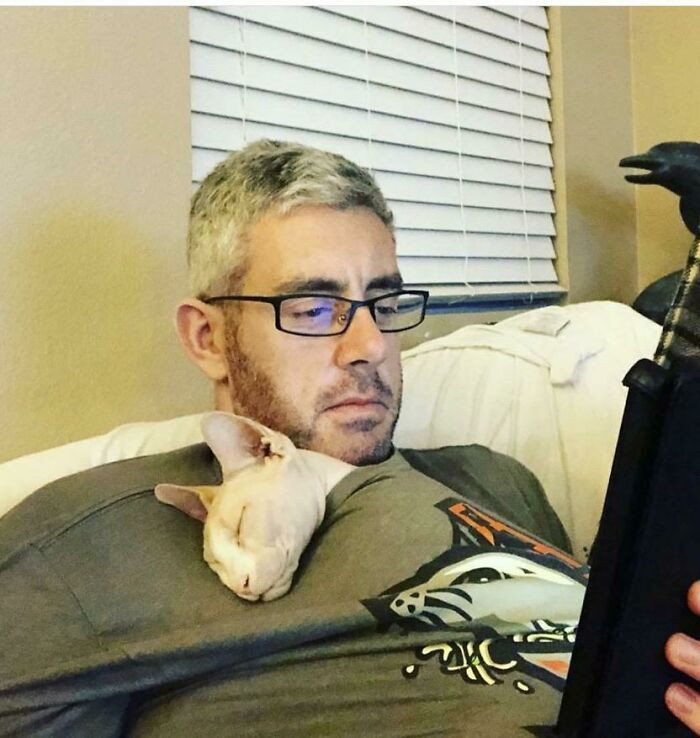
He fought against getting a hairless cat, but look at them now...inseparable!
Turns out Dad didn’t come to see the new place… he came to see the pets
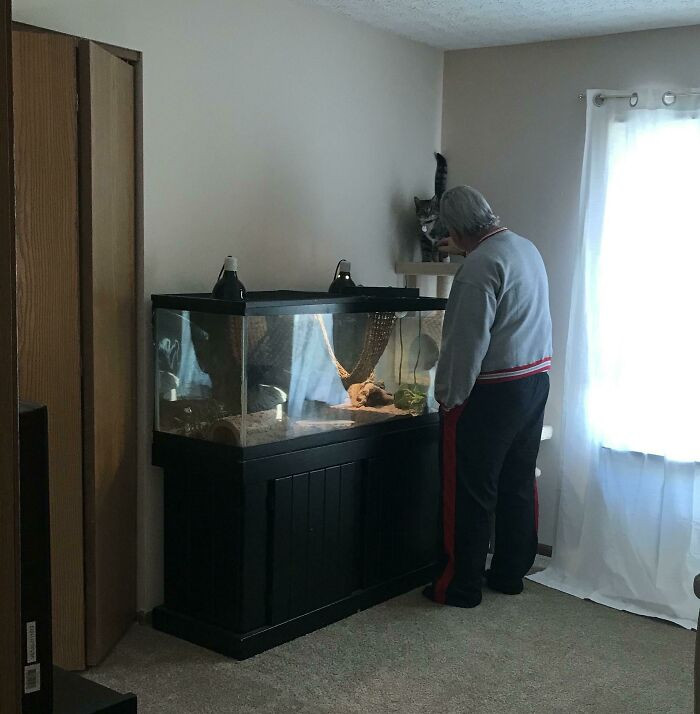
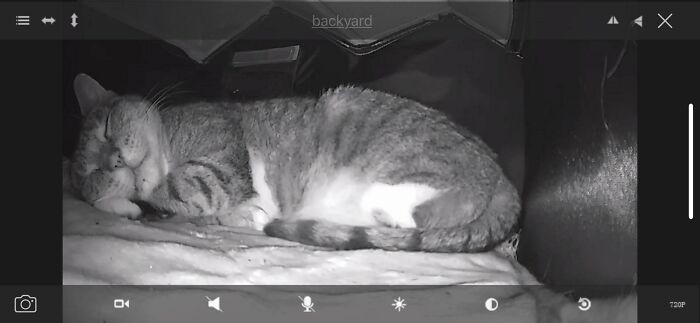
From “don’t feed the stray cat” to nightly safety checks on his backyard princess
Moreover, the benefits of pet ownership extend beyond emotional ties. Engaging in regular walks or playtime can enhance family fitness while simultaneously strengthening bonds.
This is similar to a man who bought pets for his kids without asking his ex and sparked a custody fallout.
The Dad who said “no strays” is now the proud manager of a feline maternity ward
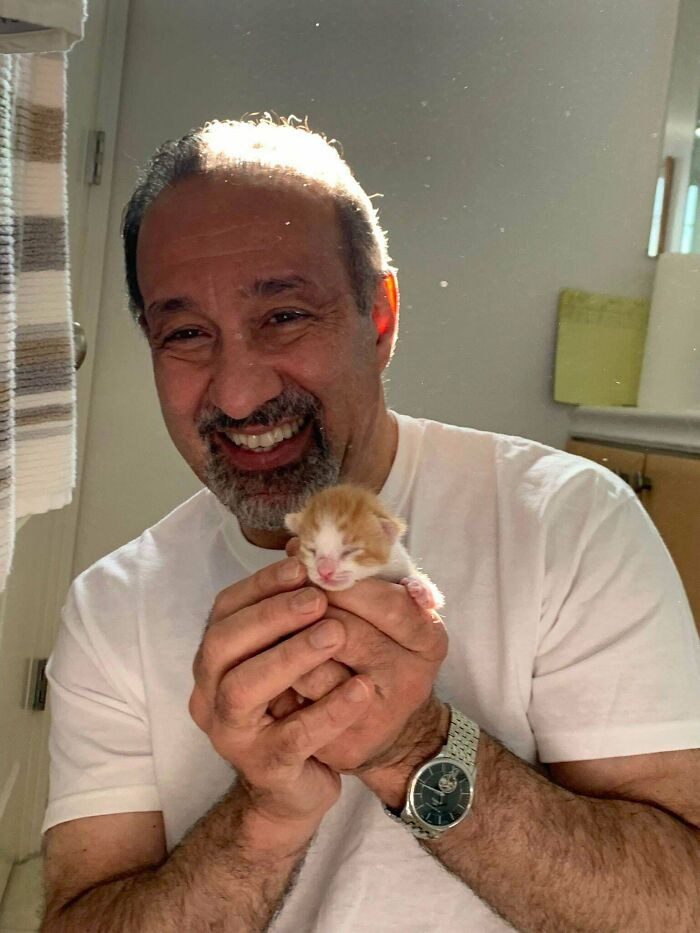
It took a while, but he's now in love

He went from “you’re taking him when you leave” to “you’re not really taking him, right?”
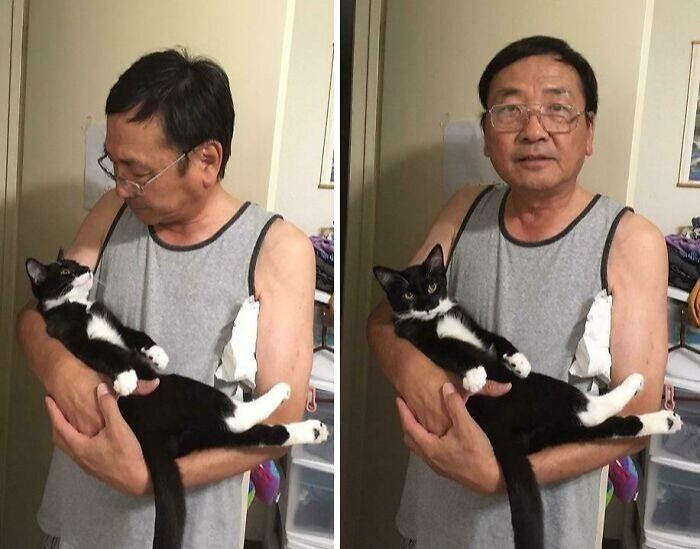
Then the rabbit travel buddy shows up, and somehow “I will not be raising that dog” turns into “caught mid-hug, so much for I don’t want a dog.”</p>
The Unexpected Joy of Pets
Dads who initially resist pet ownership frequently find themselves enjoying the companionship and joy that animals bring.
Growing up, Dad never allowed pets. Now he’s the one spoiling this cat rotten
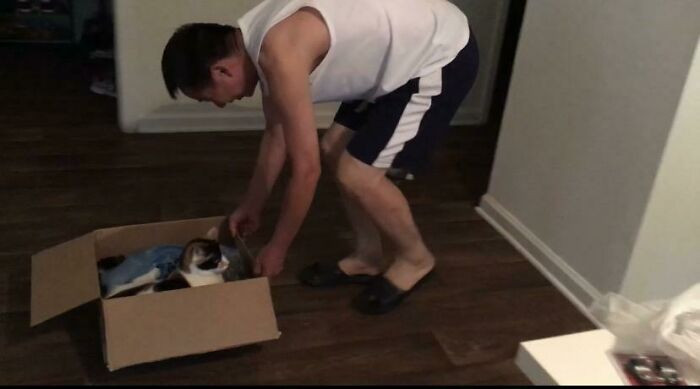
“Don’t adopt those cats,” turned into “Are you bringing my grandcats?”
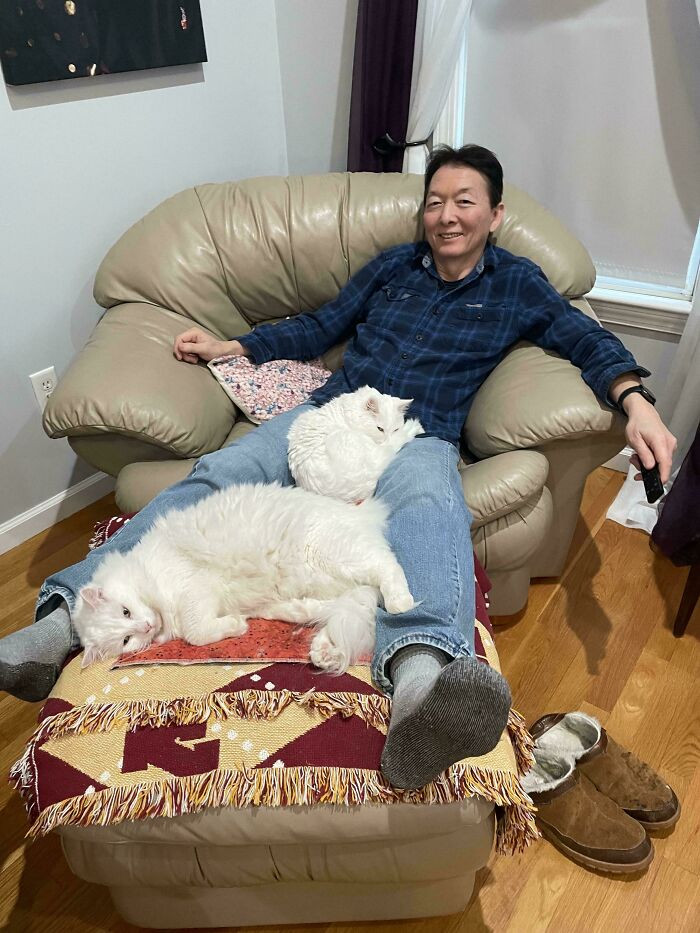
Couldn’t resist sharing, pure sweetness
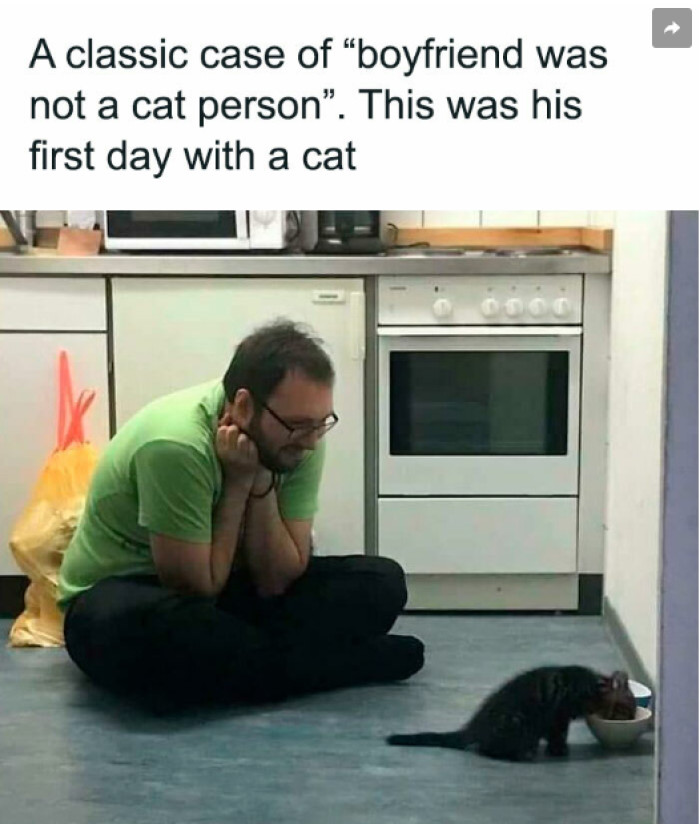
By the time he’s sharing vanilla ice cream with the cat he said wasn’t friendly, he’s officially doing nightly safety checks like a backyard bodyguard.</p>
Establishing a pet care calendar, for example, can help distribute responsibilities evenly, making it less daunting for dads who are initially hesitant.
The cats don’t fight when they’re with Dad. Guess they picked their favorite
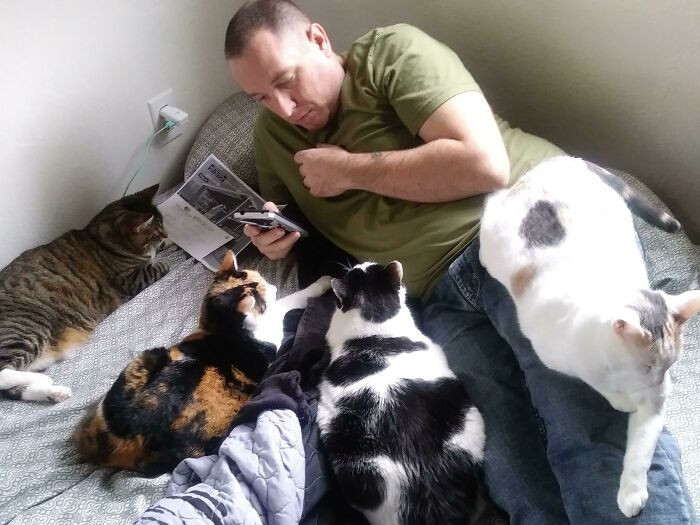
Maybe not the funniest shot, but it melts your heart anyway
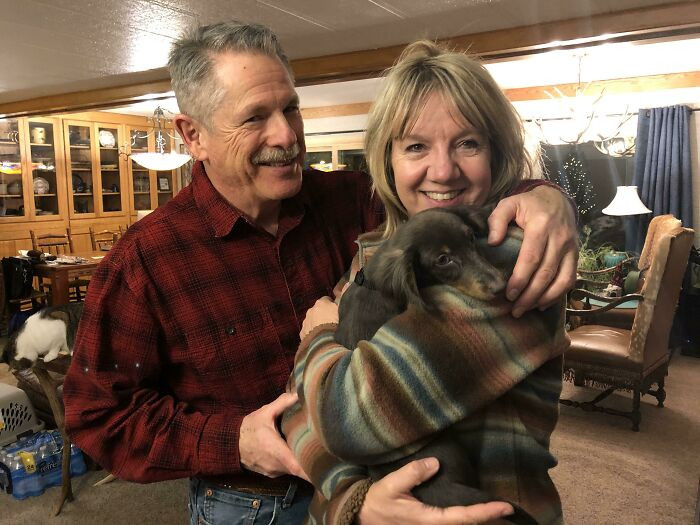
“He’s only going to be in the way,” he said. Now, he carries him everywhere
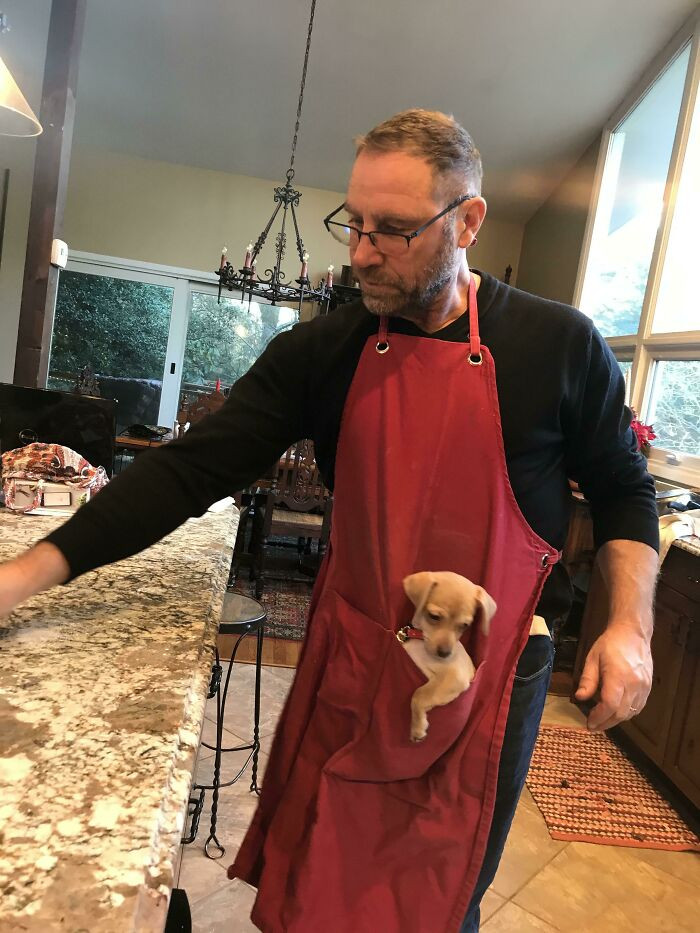
Many dads experience profound behavioral changes when they bring pets into their lives.
If there's one universal truth about dads and pets, it's this: resistance is completely pointless. No matter how firm the "no pets" rule starts out, it crumbles the second a fluffy face enters the picture.
These photos aren't just funny, they're proof that the toughest exteriors hide the softest hearts. The dad who said he'd never be responsible for an animal is now the one who won't go on vacation without bringing the dog along.
It's wholesome, it's predictable, and honestly, it never gets old. Did any of these remind you of your own dad or someone you know?
Which transformation made you laugh the most? Drop your favorite in the comments below.
In conclusion, the journey from 'no pets allowed' to 'best friends forever' highlights the transformative power of pets within families.
By embracing the joys and responsibilities of pet ownership, dads can enrich their connections with their children, fostering an environment of love and companionship that benefits everyone involved. Ultimately, these relationships underscore the importance of emotional growth and shared experiences within families.
He started with “no pets,” and ended up with a house full of dads who can’t stop loving them.
For another heartbreak-to-bond story, read how a teenager stayed with his late father’s dog after mom’s allergy demand.
Share this article: