Seven Months After Adopting A Dog, Couple Starts Receiving Messages From People Claiming To Be Previous Owners

A 28-year-old woman and her boyfriend adopted their dog about seven months ago, and everything felt normal until their phones started lighting up with messages from strangers claiming they were the dog’s previous owners.
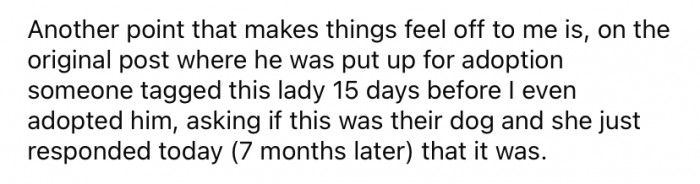
It gets weird fast. When the dog first appeared on Facebook for adoption, a person tagged OP, asking if it was their dog. They didn’t respond again for months, not until after the couple had already bonded with the pup. Then the messages turned into nonstop insistence that they “deserve closure,” including demands to come see the dog.
OP’s stuck in the worst kind of emotional tug-of-war, wanting to feel bad for them, but also not trusting the timing and the story that never quite adds up.
The young woman shared the story explaining that she and her boyfriend adopted their dog around seven months ago.
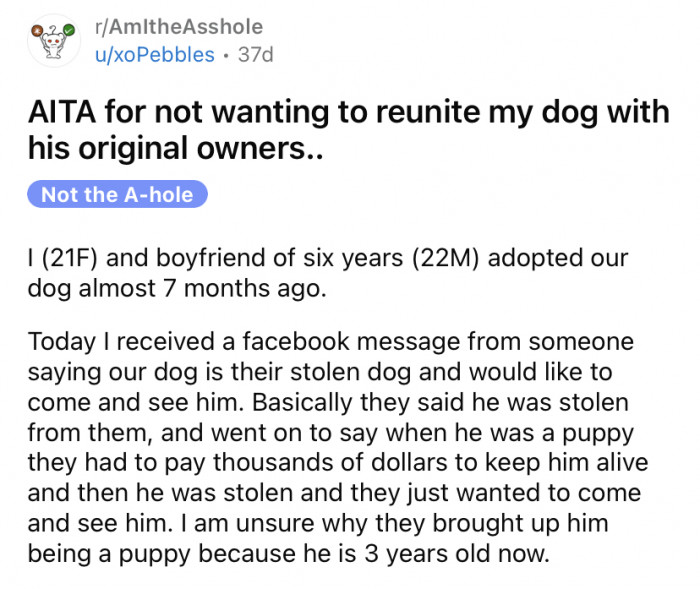
Understandably, OP felt very uneasy about the whole thing.
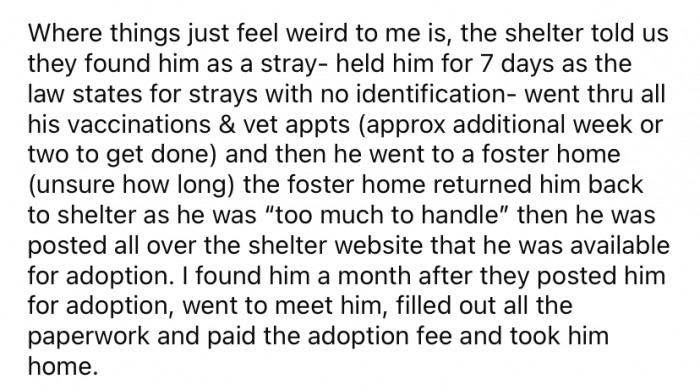
OP mentioned that when the dog was originally posted for adoption on Facebook, someone tagged this person asking if it was their dog, but they never replied until seven months later.
The Psychological Impact of Pet Ownership
Research shows that pet ownership can deeply impact psychological well-being.
In cases where a pet is claimed by someone else, the emotional turmoil can be profound, as it may trigger feelings of loss and betrayal, similar to those experienced during human relationship disruptions.
The story of u/xoPebbles and her boyfriend highlights the profound emotional ties that can develop between humans and their pets. The unexpected messages from individuals claiming to be the dog's previous owners introduce a complex emotional landscape, reminiscent of familial relationships. Such bonds are not easily dismissed, and when a pet's ownership is called into question, the feelings of loss can be overwhelming.
The couple's experience resonates with the notion that losing a pet, whether through abandonment or previous ownership claims, can evoke intense grief. The anger and sense of betrayal they may feel are reflective of a deeper emotional connection, akin to losing a family member. This situation underscores the delicate nature of pet ownership, where attachments are formed and disrupted, leading to a tumult of emotions that can affect both the pet and its current caretakers.
Ever since, the person has been bombarding OP's phone and insisting that they should be allowed to come and see the dog for closure.
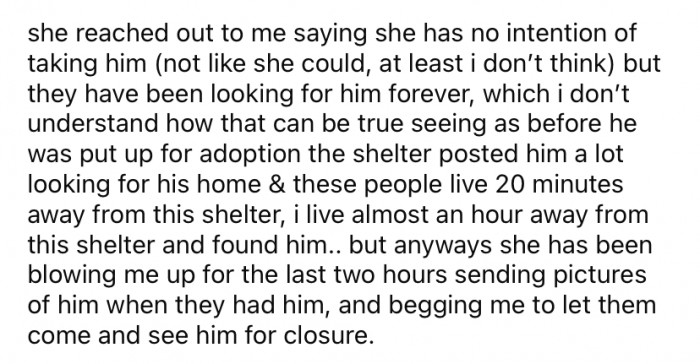
But OP says she doesn't feel comfortable with the idea at all because their story simply doesn't add up.
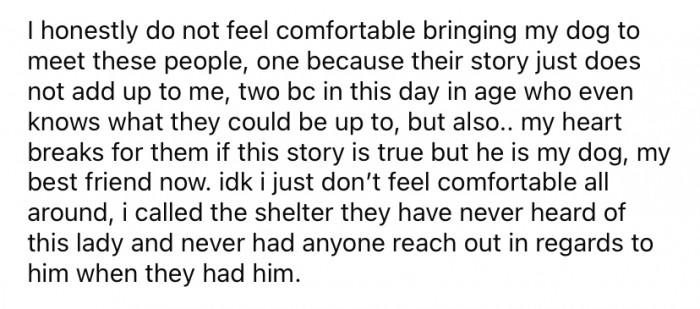
The Redditor says she feels conflicted because a part of her feels sorry for these people, but the other part just doesn't trust them.
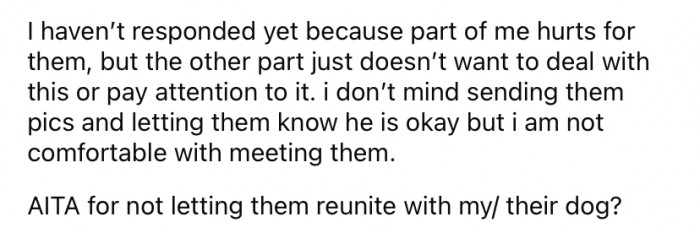
That’s when the “closure” talk went from a comment on a Facebook post to a full-on barrage of texts and calls to OP’s phone.
Understanding these dynamics can help current owners navigate the emotional landscape that arises from such claims, allowing for healthier coping mechanisms.
From a psychological perspective, the responses exhibited by the previous owners may reflect unresolved grief and attachment issues.
Here's how people reacted.
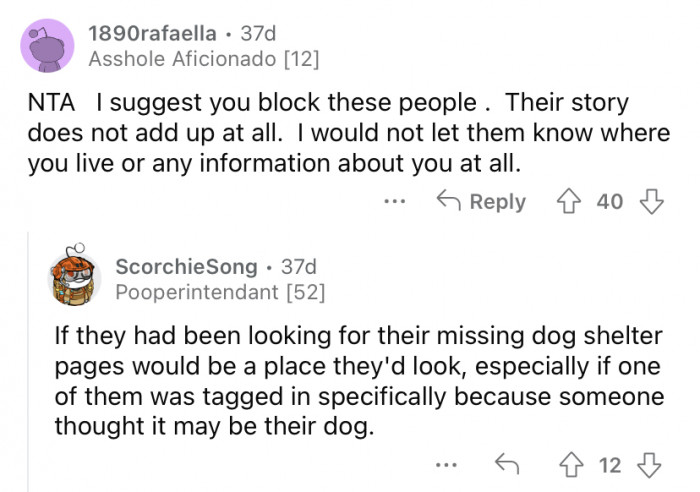
"Tell them to stop contacting you."
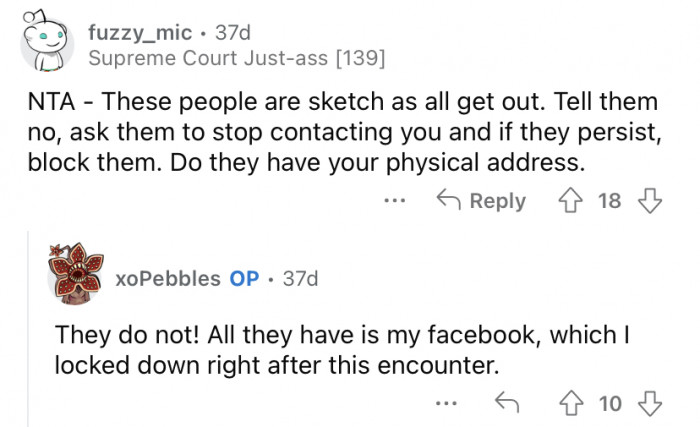
"It sounds so sketchy."
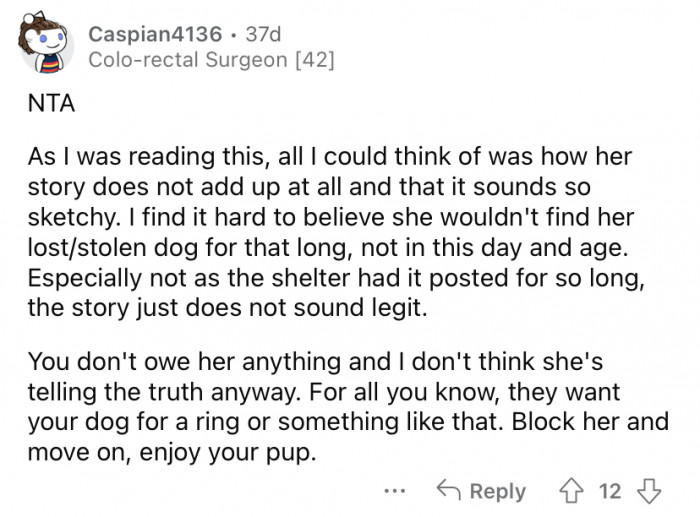
The fact that the original Facebook tag sat unanswered for seven months is the exact detail that makes OP feel like something is off.
Ethical Considerations in Pet Ownership
Ethically, the ownership of pets involves not just legal considerations, but also moral ones.
When faced with claims from previous owners, it’s important to recognize the emotional complexity involved.
This echoes the man who sold a dog, regretted it, and tried to reclaim it from the couple who bought it.
Was it even their dog?
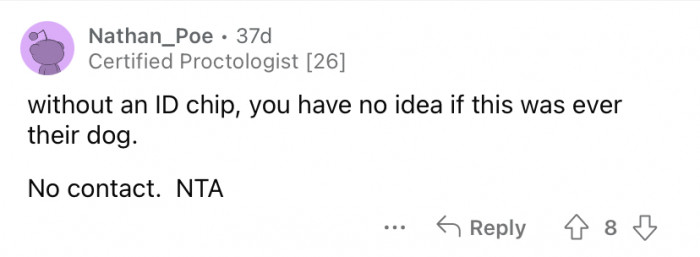
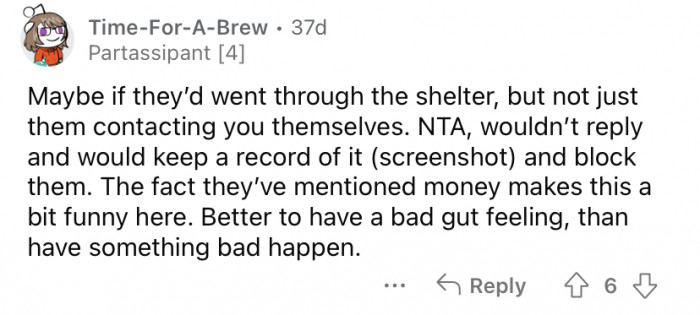
"The fact they've mentioned money makes this a bit funny."
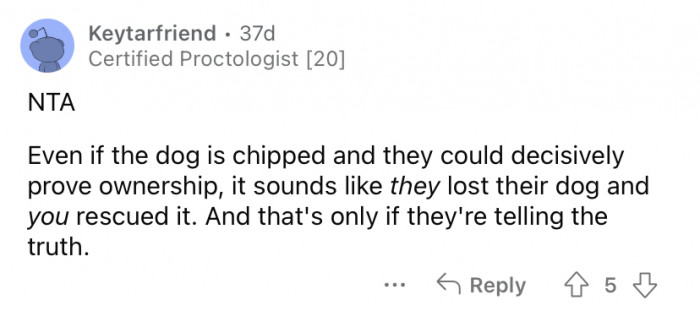
Even if it is theirs, they're the ones who lost it!
The grief experienced can manifest similarly to that of losing a family member, indicating the depth of connection that forms between pets and their owners.
Such insights underline the need for sensitivity and understanding when handling disputes over pet ownership, as the emotional fallout can be profound for all involved.
This documentation can serve as a tangible record of ownership and may help mitigate disputes.
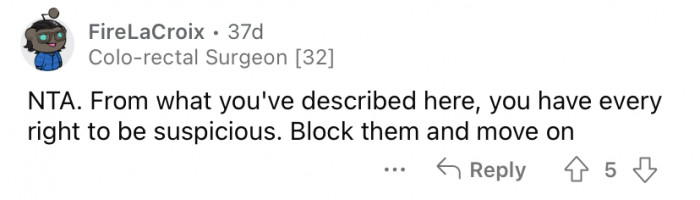
"Block them and move on."
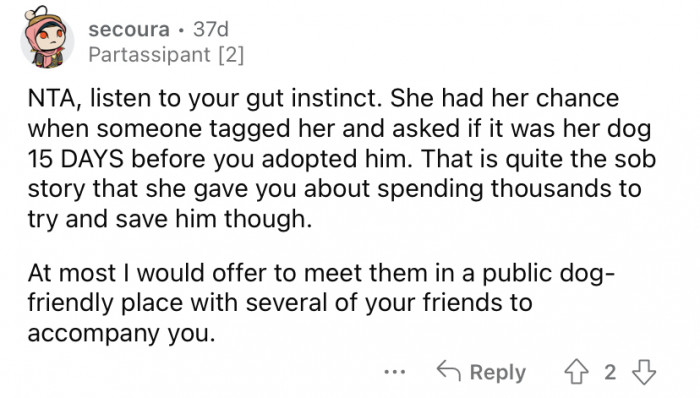
"Listen to your gut instinct."
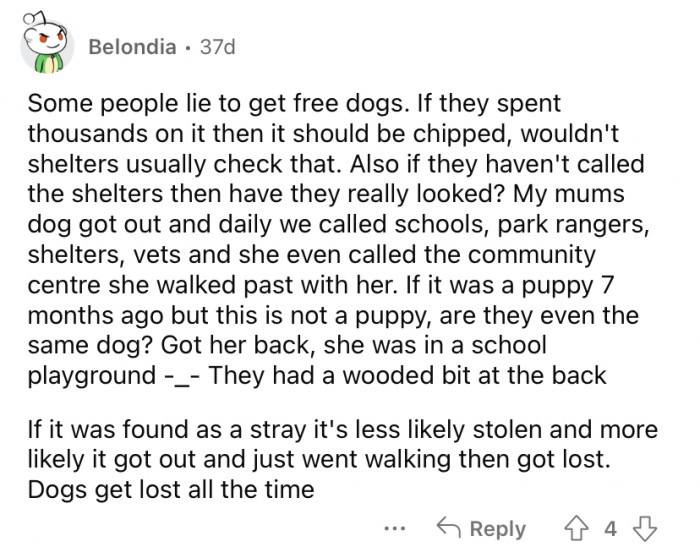
Where were they looking if not in shelters?
OP even admits she feels conflicted, because part of her worries these people truly believe they lost their dog, while the other part doesn’t buy it.
Practical Steps for Current Owners
Current pet owners facing claims should consider documenting their experiences with the pet, including training, behavior, and care routines. This can provide clarity and demonstrate the bond formed over time, which can be helpful in discussions with previous owners.
Additionally, engaging in open and compassionate dialogue with former owners may help to address their concerns while allowing current owners to express their emotional investment in the pet.
Understanding the legal implications of pet ownership can also be beneficial in these scenarios.
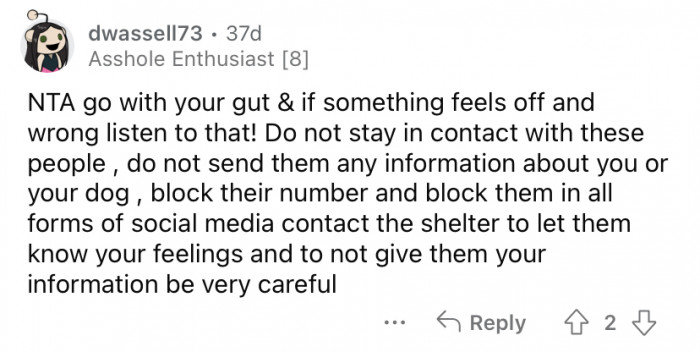
"Do not stay in contact with these people."
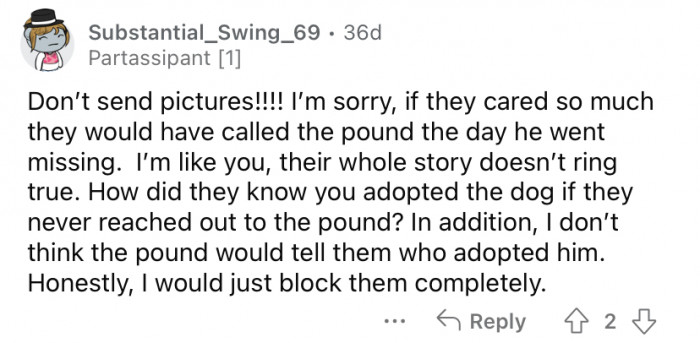
"If they cared so much, they would have called the pound the day he went missing."
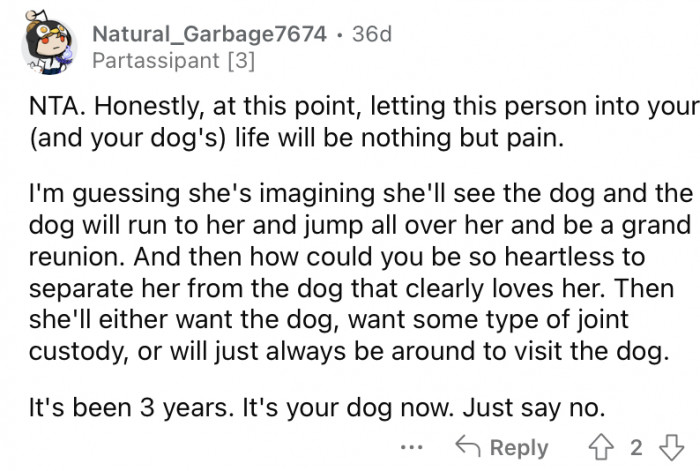
"It's your dog now."
Now the couple has to decide whether to let these previous-owner claims into their home life, or shut it down and protect the bond they already built.
It's also beneficial for owners to seek support from friends, family, or mental health professionals during this challenging time. This support can help them process their feelings and make informed decisions that prioritize the pet’s well-being and emotional health.
Ultimately, while the emotional well-being of both parties is crucial, ensuring that the pet’s best interests are prioritized should remain at the forefront of any discussions.
Research from the Journal of Animal Ethics emphasizes the importance of considering the well-being of the animal in all ownership disputes.
Balancing compassion with clarity can lead to a resolution that honors both the pet's needs and the emotional realities of the humans involved.
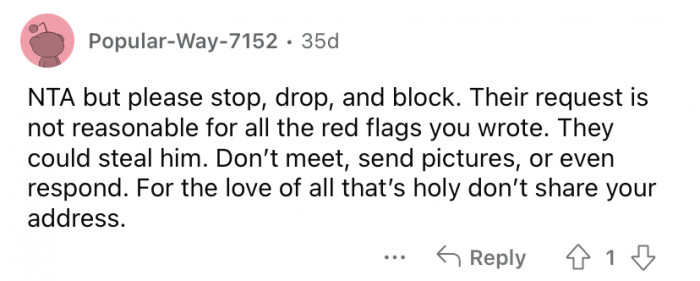
"Stop, drop, and block."
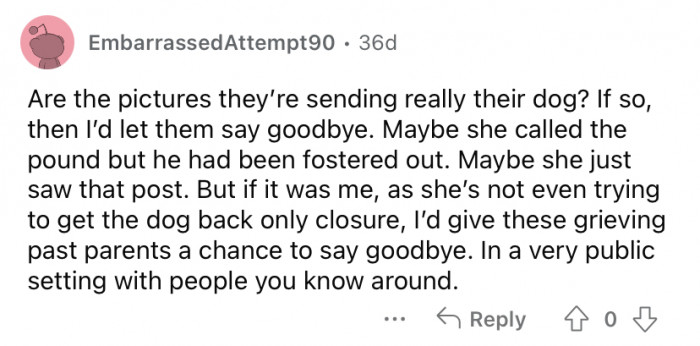
Give them a chance to say goodbye.
"Wish them the best."
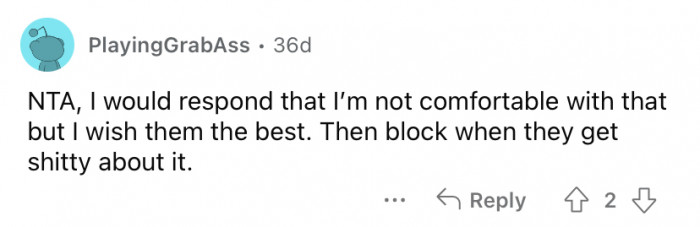
What's your take on this situation? Do you think the OP should allow these people to come and see the dog, or should she block them and run?
It's hard to know what the right thing to do here is. After all, we live in a dangerous world, and you never truly know a person's motives.
We would love to hear your opinion on this. You can share your thoughts with us in the comment section.
In this heart-wrenching situation, the emotional turmoil surrounding pet ownership becomes starkly evident. The couple's bond with their newly adopted dog is suddenly challenged by claims from alleged previous owners, leading to a complex web of feelings that demands careful navigation. As the couple grapples with the implications of these messages, it is essential to remember that the well-being of the dog should remain the focal point. This situation serves as a reminder that pet ownership is not only about forming connections but also about being prepared for unexpected challenges that may arise.
The situation faced by the couple after adopting their dog highlights the complex emotional landscape of pet ownership.
OP might not be refusing “closure,” she might just be refusing a plot twist.
Wait, what would you do if someone asked for “their” dog back after six years? Check out the AITA post about not returning a dog found six years ago.
Share this article: