
The Biggest Birds in the World by Height, Weight, and Wingspan

Ostriches, emus, cassowaries, and rheas are basically the boss level of the bird world, built for speed, distance, and survival instead of flight. And the wild part is how different their “big” looks depending on whether you measure height, weight, or wingspan.
Picture a backyard nature-watcher trying to keep up with one question, which bird wins when the numbers get compared. It gets complicated fast, because ostriches are tall and heavy, emus can look narrower than they are, cassowaries bring that fearless reputation into the mix, and rheas keep the big running-bird silhouette while sharing communal nesting drama.
By the time you stack these giants side by side, the winner depends on what you’re really looking at.
1. Ostrich, the Largest Living Bird
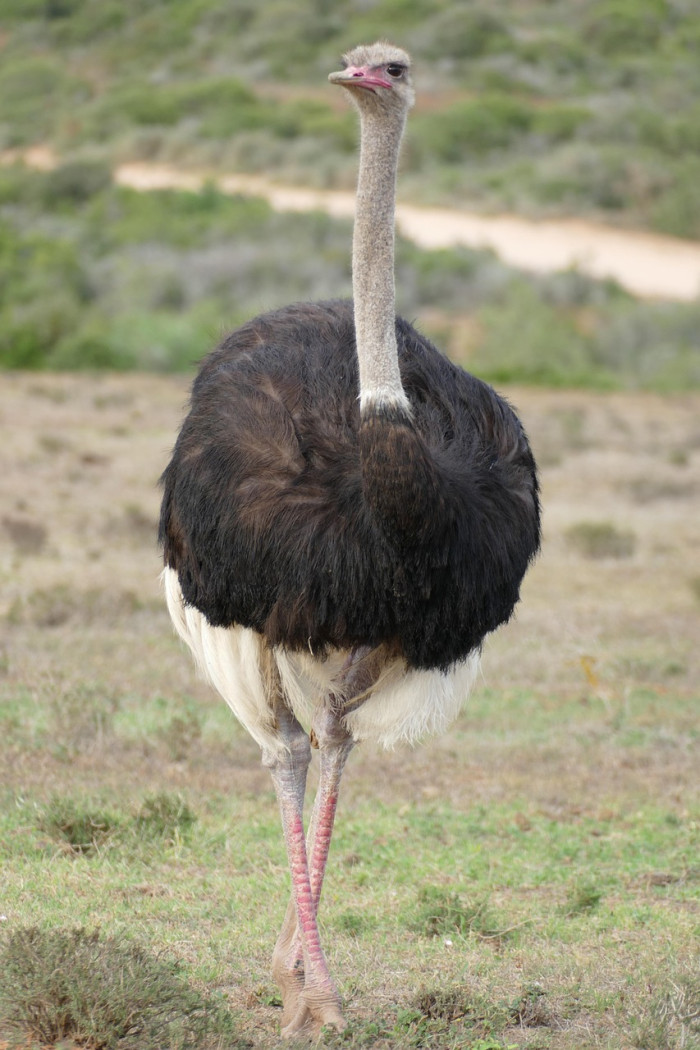
The common ostrich is the clear living champion by height and body mass. Large males can approach 2.7 meters tall and weigh well over 100 kilograms.
Flight became impossible long ago, but the body is highly specialized for running. Long legs, two-toed feet, powerful muscles, and flexible wings support speed, turning, and display.
Ostriches also lay the largest eggs of any living bird. Relative to the adult, however, the egg is not unusually large. Tiny kiwis devote a far greater proportion of body size to one egg.
The full guide to flightless birds shows why size and ground living evolved together in several unrelated lineages.
2. Emu
Emus are the second-tallest living birds and the largest native birds in Australia. Adults can stand around two meters high, with females often heavier than males.
They travel widely for food and water, swim when needed, and use strong legs for defense. Males incubate the dark green eggs and care for striped chicks after hatching.
An emu looks narrow from the front because much of its apparent volume comes from loose feathers. Underneath is a body built for distance rather than bulk alone.

3. Southern Cassowary
Southern cassowaries are among the heaviest living birds. Females are larger, with powerful legs, a tall casque, and a long dagger-like claw on the inner toe.
They live in tropical forest, eat large amounts of fruit, and disperse seeds that other animals may not carry. Their ecological importance is greater than the familiar reputation for danger.
Most encounters end with the bird retreating. Feeding or cornering cassowaries increases risk and teaches them to approach people.

4. Greater Rhea
Greater rheas are the largest birds in South America. They stand lower than ostriches but retain the same broad running-bird outline: long neck, long legs, reduced flight muscles, and large wings used during turns.
Males manage communal nests containing eggs from several females. They incubate and then defend groups of chicks.
Escaped rheas can become highly visible local celebrities. Their size is real even when perspective exaggerates it, unlike a giant seagull photo created by camera position.

5. Emperor Penguin
Emperor penguins are the tallest and heaviest living penguins. Their mass supports survival through Antarctic cold, while dense feathers, fat, huddling, and controlled blood flow limit heat loss.
Males incubate a single egg on their feet during winter, balancing it beneath a brood pouch while fasting. Females return from feeding at sea around hatching time.
Large body size reduces surface area relative to volume, an advantage in cold water. The same physics becomes a heat problem for large birds in warm environments.

6. Kori Bustard, a Heavy Flying Bird
Kori bustards rank among the heaviest living birds capable of flight. Large males may reach about 19 kilograms, although most are lighter.
They spend much of their time walking across African grasslands and take off only when necessary. Broad wings must generate substantial lift, so launch requires a strong run and powerful strokes.
The heaviest individual does not set a clean species limit. Sex, season, condition, and measurement quality all affect records.

Ostriches may be huge, but lifespan varies wildly, like finches versus albatrosses living for decades.
7. Mute Swan and Great Bustard
Mute swans are among the heaviest flying waterbirds. A running takeoff across water builds speed before the wings carry the body clear.
Great bustards include very heavy males and show extreme size differences between the sexes. Their mass approaches the upper practical range for sustained powered flight among living birds.
Large flying birds expose a tradeoff. Bigger wings provide lift, but every extra kilogram increases the lift and power required. The article on how birds fly explains why takeoff is often the limiting stage.

8. Wandering Albatross, the Widest Wingspan
Wandering albatrosses have the widest verified wingspans among living birds, with exceptional individuals exceeding 3.5 meters. Long narrow wings are built for dynamic soaring over the Southern Ocean.
They exploit changes in wind speed above waves, traveling huge distances with relatively little flapping. The body is much lighter than its wingspan suggests.
Wide is not heavy. That is exactly why one “biggest” ranking cannot cover every dimension.

9. Andean Condor
Andean condors combine a wingspan around three meters with a heavy body. Rising air along mountains and cliffs supports long periods of soaring.
As scavengers, condors search enormous areas for carcasses. Their large size helps them dominate feeding sites but also comes with slow reproduction and dependence on reliable lift.
Other eagles look bulkier in close photographs. A real golden eagle attack shows the power of a large raptor, yet eagles remain far below ostriches in total mass.

10. Harpy Eagle and Other Giant Raptors
Harpy eagles have relatively modest wingspans for their mass because broad short wings maneuver better in rainforest. Females are much heavier than males and carry exceptionally thick legs and talons.
Bald and golden eagles are lighter but still powerful enough to handle substantial prey. A dog rescuing a frozen eagle gives useful scale: even a big eagle is far smaller than a large dog.
Parental size does not eliminate vulnerability. A mother eagle protecting eggs in snow still depends on weather, food, and a secure nest.

Right after you learn the ostrich can hit nearly 2.7 meters and over 100 kilograms, it’s hard not to notice how “largest” here means built for running, not taking off.
Then emus step in as the tall stand-ins from Australia, and you realize their size comes with a different trick, loose feathers that make them look slimmer from the front.
Once southern cassowaries enter the tropical forest picture with that dagger-like inner-toe claw, even the “most encounters end with the bird retreating” line makes the stakes feel real.
And when greater rheas show up in South America with communal nests and reduced flight muscles, the whole chart starts to feel less like a ranking and more like a lineup of survival styles.
The Largest Birds That Ever Lived
Elephant birds from Madagascar included species estimated at several hundred kilograms, making them among the heaviest birds known. New Zealand moas included towering forms with long necks and powerful legs.
Neither group could fly. Both survived until relatively recent human history and disappeared after hunting and ecological disruption.
The largest flying birds in deep time were still birds, not pterosaurs. Pterosaurs were flying reptiles on a separate branch and vanished 66 million years ago.
Modern size claims can also be misleading when an eagle carries unexpected food. A bald eagle holding pizza is memorable, but it tells us more about opportunity than maximum strength.
The biggest bird is the one that matches your measurement, and the numbers are not playing fair.
Want more giant flightless rivals, like ostriches and penguins, in one lineup? See these flightless birds from around the world.
Share this article:





