
How Long Do Birds Live? Lifespans From Finches to Albatrosses

A house sparrow can look like it belongs to the “two to five years” crowd, then suddenly you hear about one that outlasted expectations. Same size, same general category, totally different ending.
In the wild, the math gets messy fast, one cold night or a cat attack can wipe out a whole season, while storms and infections turn “average” into a rumor. Meanwhile, pigeons, gulls, raptors, and those long-lived seabirds play a different game, fewer breeding attempts, later maturity, and survival that keeps stacking year after year.
So when you see a lifespan chart, it’s not just numbers, it’s a chain of survival decisions happening to birds every single day.
Typical Bird Lifespans by Group
Many small songbirds live two to five years on average after fledging, although marked individuals can exceed ten. Pigeons and doves often live several years in the wild. Waterfowl, gulls, and shorebirds commonly include individuals in their teens or twenties.
Raptors may survive 15 to 30 years, depending on species and conditions. Large parrots can live several decades, particularly in managed care. Albatrosses and some other seabirds rank among the longest-lived wild birds.
These are broad patterns, not promises. A house sparrow and a warbler share a size category without sharing identical risks. A captive bird may avoid predators and food shortages but face obesity, poor diet, accidents, or chronic disease.
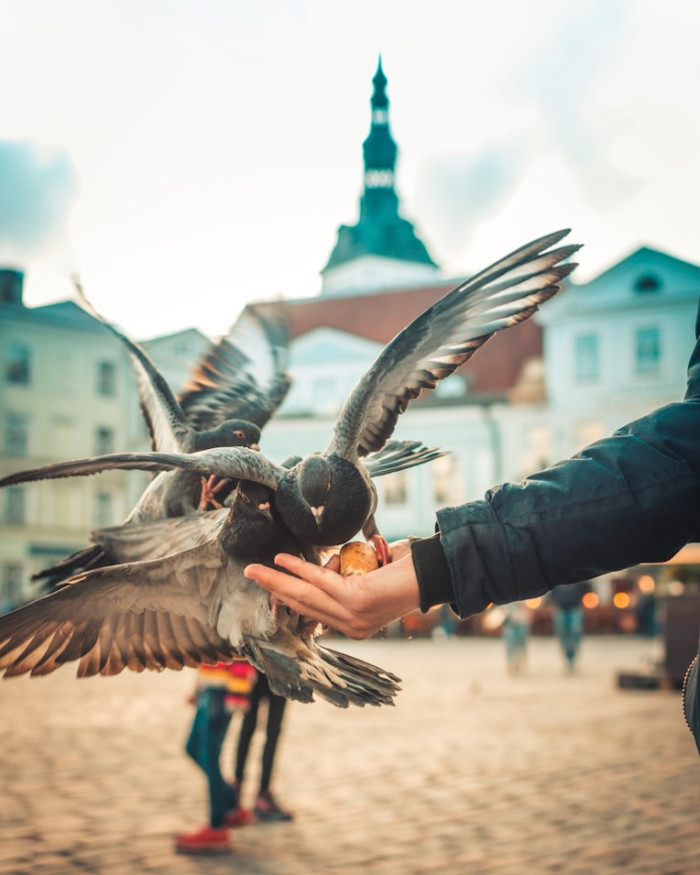
That “two to five years” average suddenly feels personal when you picture a tiny songbird losing an entire night of food to cold weather.
Why Small Birds Often Die Young
Small birds have fast metabolisms and little energy reserve. A cold night, failed food supply, collision, cat attack, storm, or infection can become fatal quickly.
They also reproduce early and often, a strategy that compensates for high mortality. Producing several young does not mean most will reach old age.
Hard arithmetic.
A tiny bird can still surprise researchers. Banding records include chickadees, warblers, and hummingbirds that lived far beyond casual expectations. The world’s tiniest birds are not automatically the shortest-lived, even though their margins are narrow.
Why Some Birds Live for Decades
Flight helps birds escape many predators, and lower external mortality can favor slower aging. Long-lived species often mature later, produce fewer young, and invest heavily in each breeding attempt. The same slow strategy can support durable partnerships among birds that mate for life.
Large brains and flexible behavior may help parrots, corvids, and seabirds solve problems and avoid danger. Stable adult survival can then support long pair bonds, learned routes, and repeated use of successful nest sites. Several of the smartest birds combine that flexibility with long periods for learning from experience.
Physiology matters too. Birds maintain high blood sugar and intense metabolism without showing exactly the same aging patterns expected in similarly sized mammals. Researchers study antioxidant systems, cellular repair, and other mechanisms, but no single explanation covers every long-lived bird.
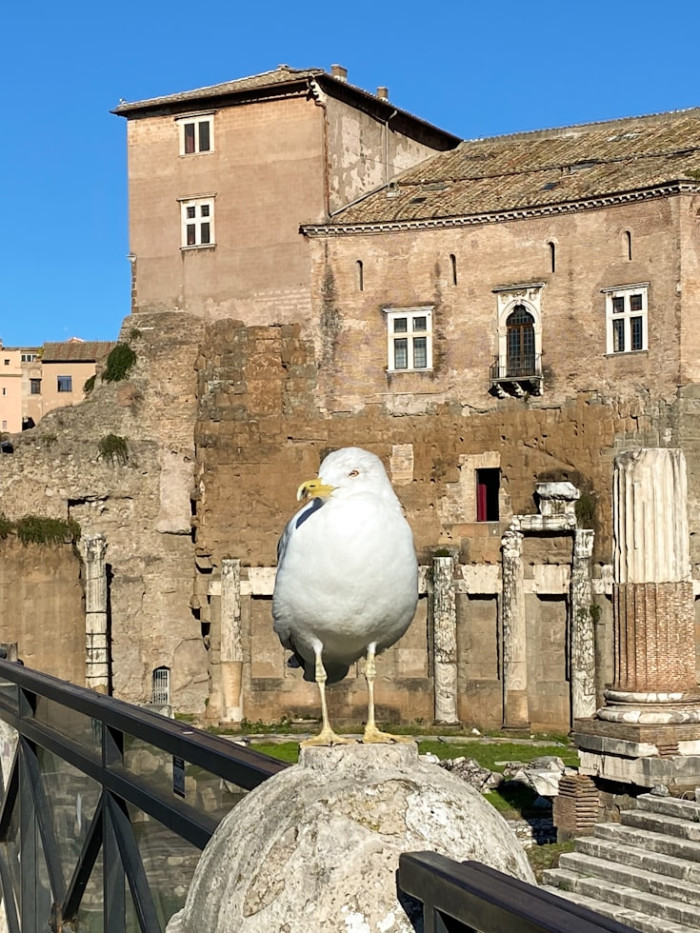
Then the story shifts to the calmer side of life, where pigeons and doves can keep surviving long enough for “several years” to become real.
What Is the Oldest Known Wild Bird?
Wisdom, a female Laysan albatross, was first banded as an adult at Midway Atoll in 1956. Because she was already mature, her exact hatch year is unknown, but she is at least in her seventies and has repeatedly returned to breed.
Her record is unusually well documented through a band and repeated encounters. That matters. An unmarked wild bird can look the same for years without anyone proving it is the same individual.
The U.S. Geological Survey longevity database lists verified minimum ages from banded birds. “Minimum” is the key word because a bird may have been older when first captured and may have survived after its latest encounter.
This lifespan guide gets even wilder when you realize every bird, from chicken to albatross, traces back to the dinosaur lineage scientists say survived.
How Long Do Parrots Live?
Small parrots such as budgerigars and lovebirds often live roughly 7 to 15 years with good care, though individuals fall outside that range. Cockatiels may reach their late teens or twenties. Large macaws and cockatoos can live 40 years or more, with exceptional cases reported beyond that.
Captive-lifespan claims are often exaggerated because ownership records are incomplete or passed between families. A documented old cockatoo recalling phrases is more useful than an unsupported century-old legend.
Long life creates a serious commitment. A parrot may outlive an owner, which is why planning, social needs, veterinary care, and a stable diet matter from the beginning. Stories of a parrot saying goodbye are emotionally powerful because these bonds can span decades.
Raptors change the whole vibe, because once you’re built for the air and not the ground, 15 to 30 years starts sounding less impossible.
Do Pet Birds Live Longer Than Wild Birds?
Often, but not automatically. Managed care removes predators, harsh weather, migration hazards, and unpredictable food. Veterinary treatment can also extend life.
Poor housing, smoke, toxins, nutritional imbalance, loneliness, and preventable accidents can cancel those advantages. A bird kept alive for many years without suitable movement, enrichment, companionship, or medical care is not a success story.
Species matters more than the broad label “pet bird.” A finch, pigeon, cockatiel, African grey, and macaw have very different expected lifespans and care requirements. Owners should plan around credible veterinary and welfare guidance, not the highest number found online.
How Scientists Measure Bird Age
Banding and tagging provide the strongest evidence. A bird is captured, marked with a unique identifier, aged as accurately as possible, and released. Later recapture, recovery, or observation establishes a minimum age.
Researchers also use plumage, molt limits, eye color, bill features, and breeding history, but many adult birds become difficult to age precisely after the first few years.
That is why record tables deserve careful wording. They show the oldest verified individual encountered, not a biological ceiling. More banding effort creates more chances to find an old bird, so well-studied species may appear longer-lived than poorly monitored ones.
And if you zoom out to albatrosses and other seabirds, the plot turns into decades of repeated breeding and learning the same successful routes.
What Usually Ends a Bird’s Life?
Wild birds die from predation, starvation, severe weather, disease, parasites, territorial conflict, and breeding stress. Human-related causes include windows, vehicles, power lines, fishing gear, pesticides, habitat loss, and domestic cats. Long-distance bird migration multiplies exposure to many of those hazards across several countries and habitats.
Captive birds face different hazards, including household fumes, open water, fans, chewing electrical cords, escapes, unsuitable food, and delayed veterinary treatment. A promise to care for a parrot over the long term should account for emergencies and changes in the owner’s life.
Lifespan is therefore not just a trait inside the animal. It is the outcome of biology meeting conditions, year after year.
The lifespan chart is basically a cliffhanger, every bird’s story decides how long it gets to keep going.
Wait, birds can “sound made up” too, like the backward-flying hummingbird from these 50 bizarre bird facts.
Share this article:





