
Birds That Mate for Life and What “For Life” Really Means

Some birds don’t just “pick a partner,” they lock in a whole long-term plan, year after year. The phrase “mate for life” sounds romantic, but it hides a messy truth: the bond can be social, genetic, or both, and those two things do not always match.
Picture albatrosses reuniting after months at sea, swans and geese sticking together beyond nesting season, and cranes using unison calls like a maintenance check for their relationship. Meanwhile, biology keeps throwing curveballs, like when genetic testing finds that a chick was fathered by someone else, even though the pair still looks solid and stays on the job.
The real story is how “for life” gets negotiated in the real world, one breeding cycle at a time.
What Does “Mate for Life” Mean?
In everyday language, it means the same two birds remain partners across breeding seasons. Biologists usually separate social monogamy from genetic monogamy.
Social partners share territory, nest building, incubation, feeding, defense, or chick care. Genetic testing may show that some offspring were fathered by another male. The social bond can still be stable and valuable.
The mechanics of how birds mate take seconds. Maintaining a partnership requires repeated recognition, coordination, and investment over months or decades.
Albatrosses
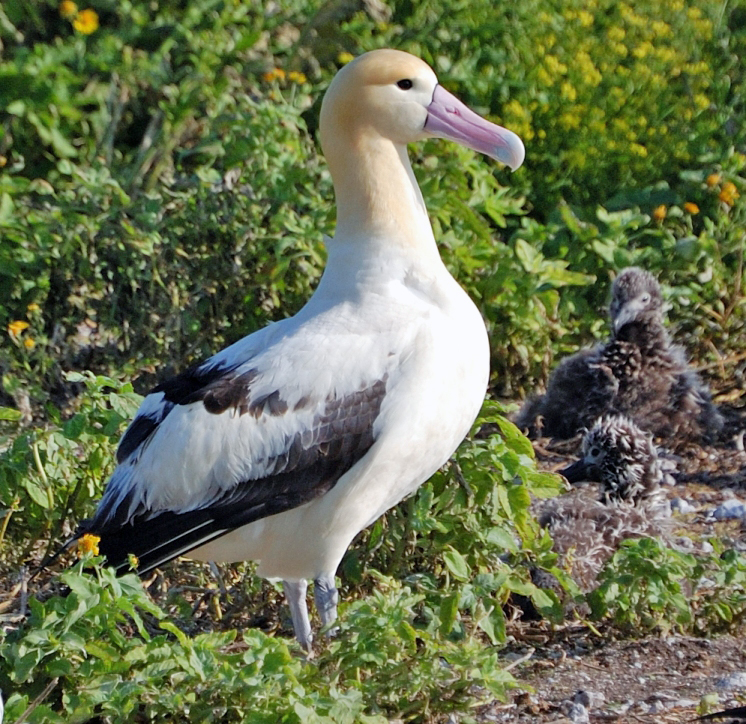
Albatrosses are the classic long-term pair. Young birds spend years learning elaborate dances, and established partners reunite at breeding colonies after months at sea.
Large species often raise one chick and may not breed every year. A familiar partner reduces the cost of repeating courtship and helps coordinate a demanding cycle of incubation and long feeding trips.
The bond can last for decades. It can also end if one bird dies or if repeated failure makes a new partnership more successful. Slow reproduction gives every decision weight. Those partnerships become possible partly because some seabirds have exceptional bird lifespans.
Swans and Geese
Many swans and geese form durable pair bonds and remain together outside the nesting season. Both partners may defend young, maintain family groups, and migrate together.
That reputation makes a penguin couple’s romantic walk or two swans on a lake easy symbols for human devotion. The biology is practical too: coordinated parents can guard mobile chicks more effectively.
After a partner dies, surviving birds may show altered behavior and often re-pair. A bond lasting until death does not require the survivor to remain alone forever.

Cranes
Crane pairs perform unison calls and dances that help form and maintain their bond. Partners return to breeding territories, defend nesting areas, and raise chicks together.
Their synchronized calls are species-specific and can carry over long distances. Coordination makes the pair more effective during territorial disputes and parental care.
For cranes, courtship does not end after the first mating. Display remains part of communication. The same pair may repeat dances for years.

Parrots
Many parrots form strong social pairs. Partners preen each other, share food, stay close, and coordinate nesting. Long lifespans make these relationships potentially lengthy.
Captivity can redirect pair behavior toward a person, another species, or a household object. That does not mean every parrot needs a human “mate.” It means social needs are powerful and must be managed carefully.
A case involving large bird veterinary bills also shows the practical side of long-lived companion birds. Pair bonding, welfare, housing, and medical planning can remain relevant for decades.

Bald Eagles and Other Raptors
Bald eagles often maintain long-term pairs and reuse a territory or nest system over multiple years. Both adults contribute to nest construction, incubation, defense, and feeding young.
Returning to an established partner and territory can save time. Large nests may be repaired and expanded each season, accumulating material for years.
Other raptors vary. Some stay paired for one season, some reunite annually, and some maintain year-round bonds. A species-level label never guarantees the history of every individual.

Penguins
Some penguins reunite with the same partner across seasons, especially when both return to the same colony and timing aligns. Others frequently change partners.
Emperor penguins form seasonal pairs rather than lifelong bonds. Their extreme incubation system is cooperative, but partners may not reunite the next year. Popular culture often turns all penguins into permanent couples, which the data does not support.
Same tuxedo. Different relationship rules.
The story of Sphen and his partner drew attention because same-sex pairing and chick care can occur in penguins, especially in managed colonies. It does not make lifelong monogamy universal.

That albatross reunion after months at sea is the kind of scene that makes “mate for life” feel simple, until you remember it is really about repeated recognition, not a single dramatic moment.
To understand why these lifelong pairs matter, look at how long finches, parrots, and albatrosses live.
Then swans and geese show up, guarding mobile chicks and migrating together, and suddenly you see how a stable partnership can matter even if the genetics get complicated.
After that, cranes pile on the unison calls and synchronized dances, basically setting the schedule for who returns to the breeding territory, and when.
And if one partner dies or repeated breeding fails, the story does not freeze, it shifts, because the bond can end, or the survivor can re-pair, even if the “until death” idea sounds absolute.
What Happens When a Partner Dies?
The surviving bird may call, search, remain near the territory, reduce breeding activity, or re-pair. Human observers often interpret these responses as grief. Some behaviors are consistent with distress and loss, although measuring a bird’s internal experience requires care.
A goose left without its Valentine partner can become a moving story because the social disruption is visible. Long bonds create predictable routines, and their sudden removal changes daily life.
Re-pairing is common and biologically sensible. It allows the survivor to breed again and restore cooperative care.
Why Long Pair Bonds Evolve
Long bonds are favored when two parents are needed, breeding opportunities are limited, territories are valuable, or finding and testing a new mate is costly. They are especially useful in long-lived species with repeated breeding seasons.
Bonding does not arise from one emotion or one gene. Ecology sets the conditions, and behavior develops within them.
Adoption can extend cooperative care beyond genetic offspring. A mother duck accepting orphaned ducklings may respond to chick calls and parental drives even without a lifelong pair relationship.
The accurate view is better than the greeting-card version: birds can build durable partnerships, but those partnerships remain flexible responses to survival and reproduction.
“Mate for life” is less a forever promise and more a long, practical relationship that can survive love, logistics, and the occasional heartbreak.
Want the quick mechanics too, see how birds “kiss” during mating in How Do Birds Mate and Reproduce?
Share this article:





