
Do Birds Fart? What Science Actually Knows

A 28-year-old woman refused to let a “bird fart” clip go unchallenged. It started as a dumb joke in a group chat, then turned into a full-on debate about whether birds actually make the same kind of stink-and-sound gas humans do.
Everyone kept pointing at the cloaca, that one opening where poop and pee exit together, and it sounded suspiciously convenient. But the science angle gets messy fast, because mammals fart more when gut microbes ferment food and build up gas, while birds process things quickly and use different digestion strategies. Even if a bird can vent gas through that anatomy, the real question is whether enough gas normally accumulates to cause anything you’d actually notice.
So the blue jay anecdote, the lack of solid recordings, and the whole “do they or don’t they” mystery collide in one surprisingly stubborn answer.
Why Mammals Fart More Often
Flatulence usually forms when microbes ferment food in the intestine and release gases such as hydrogen, methane, or carbon dioxide. Swallowed air can add to the total. Pressure builds, muscles relax, and gas leaves through the anus.
Ruminants and hindgut fermenters produce a great deal because microbial fermentation is central to digesting fibrous plants. Humans vary with diet, microbiome, swallowing habits, and health.
Most birds process food quickly and do not rely on the same large fermentation chambers. Their microbial communities differ as well. Less gas is produced, so there is less reason for visible or audible release. Because they also lack true teeth, food is cut, swallowed, stored, and ground in ways that shorten or redirect several stages familiar from mammalian digestion.
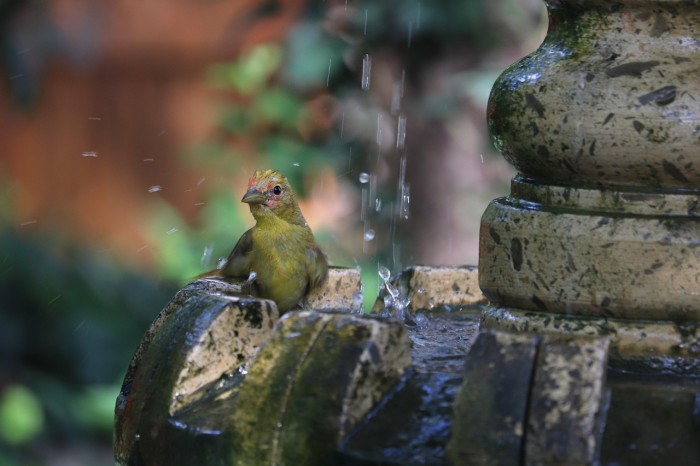
That group chat turned into a full courtroom drama once everyone started citing the cloaca, like it’s a built-in fart chute.
Birds Have a Cloaca, So Why Not?
Birds generally have a cloaca rather than separate external openings for feces, urine, and reproduction. Gas in the lower digestive tract could theoretically pass through the vent.
An opening alone does not prove routine flatulence. The important question is whether enough intestinal gas accumulates under normal conditions. Current evidence suggests that it usually does not.
The same anatomy explains how bird pee and poop leave together. It does not guarantee that every bodily process familiar from mammals occurs with the same frequency or sound.
Has Anyone Recorded a Bird Fart?
The U.S. Fish and Wildlife Service notes that birds generally are not known to fart because they lack the gas-producing gut bacteria associated with mammalian flatulence. It also mentions a famous anecdote in which a researcher thought a blue jay released gas, although water vapor or air from wet feces may have caused the observation.
That is thin evidence. No controlled body of research shows ordinary birds repeatedly farting during normal digestion.
One suspicious puff does not establish a species-wide habit.
Online clips often add sound effects or misidentify calls, wing noise, droppings, and movement. A duck in a collection of adorable duck pictures may inspire jokes, but a still image cannot settle digestive physiology.
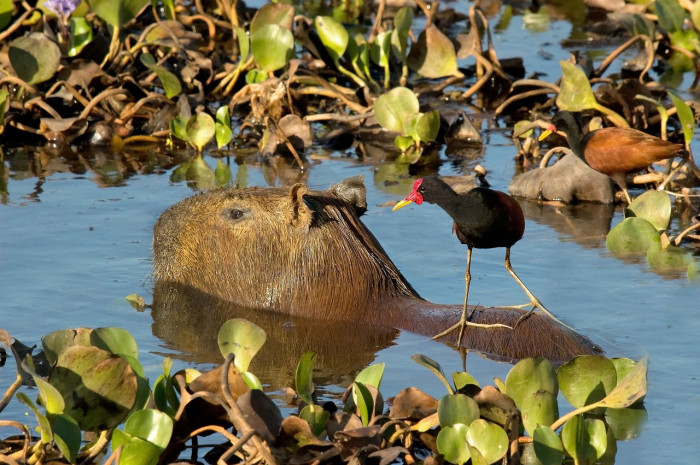
Then the conversation snagged on the boring part, mammals build gas through microbial fermentation, birds do not.
Can a Bird Have Gas?
Yes, gas can exist in a bird’s digestive tract. Swallowed air, microbial imbalance, unusual food, disease, or slowed movement through the gut could allow it to accumulate. Veterinary reports sometimes use terms such as gas distension when discussing abnormal findings.
That is different from saying healthy birds routinely fart. An occasional release under unusual conditions is biologically plausible, while regular noisy flatulence remains unsupported.
A pet bird with a swollen abdomen, repeated straining, reduced droppings, vomiting, weakness, or loss of appetite needs an avian veterinarian. Trying to treat presumed gas at home can delay care for an obstruction, infection, egg-binding, or another serious problem.
And yes, birds can smell far better than people assumed, using scent to find food, nests, and partners.
Does Bird Food Change the Answer?
Diet shapes the microbes and chemical reactions inside any digestive tract. Seeds, fruit, nectar, insects, meat, leaves, and commercial pellets create different substrates for digestion.
Even so, a questionable all-seed diet is a nutrition problem before it is a flatulence problem. Pet parrots and other companion birds need species-appropriate feeding, and sudden changes should be made with professional guidance.
Wild species also differ. A vulture digesting carrion, a goose eating grass, and a hummingbird drinking nectar do not process identical material. The absence of strong fart data should not be mistaken for proof that every species behaves exactly alike.
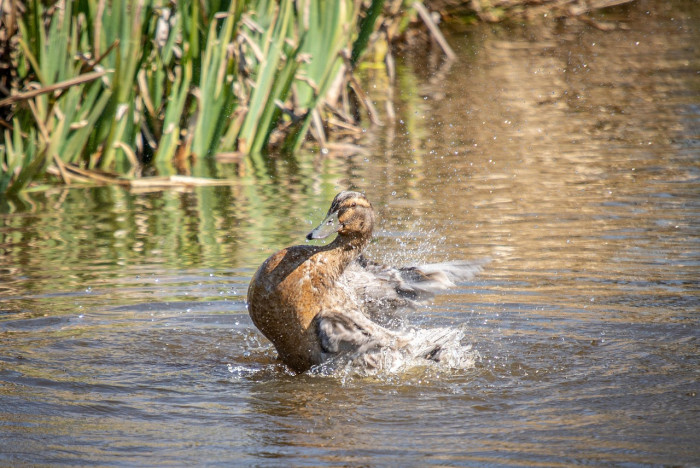
The blue jay story came up next, and suddenly “maybe it was water vapor” felt a lot more likely than “definitely a fart.”
What Sounds Get Mistaken for Bird Farts?
Birds produce clicks, grunts, squeaks, hisses, wing whistles, bill snaps, feather vibrations, and low calls that can sound surprisingly mechanical. Air moving around wet droppings may create another misleading noise.
Parrots are expert mimics. A Dracula parrot looks dramatic enough before it copies a household sound, while many other parrots can reproduce noises that have no connection to their bodies.
Comedy captions do the rest. Collections of chicken thoughts work because people project familiar human behavior onto birds. Biology is less cooperative.
Do Birds Burp?
Birds may expel air from the upper digestive tract in some circumstances, but ordinary burping is also rarely discussed or documented. Their esophagus and crop can hold food and air, and regurgitation is common in courtship or feeding young.
Regurgitation should not automatically be labeled a burp. It is a controlled movement of food or liquid and has important social functions in many species.
Once again, the gap is evidence. A process may be possible without being a normal, frequent event anyone has measured well.
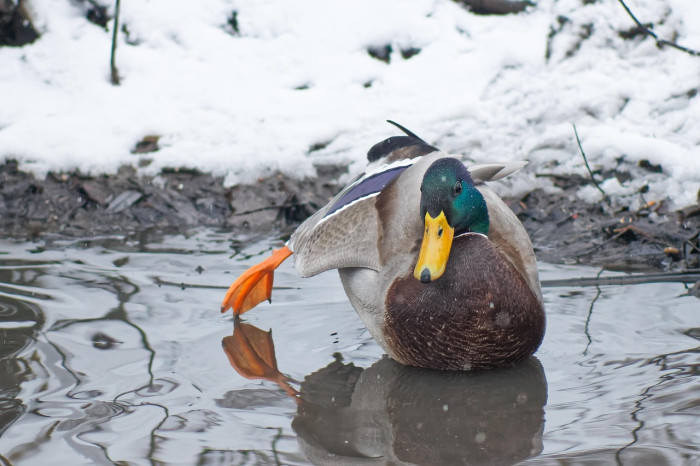
By the time people were comparing how ruminants and hindgut fermenters work versus how birds cut and swallow food fast, the joke had lost its punch.
The Best Answer Available
Birds probably can release digestive gas on rare occasions, especially under abnormal conditions, but science does not support the idea that healthy birds commonly fart like humans, dogs, cows, or horses.
The next time an owl looks miserable after a bath, blame the wet feathers before blaming intestinal pressure.
Funny question. Cautious answer.
Nobody wants to believe a blue jay, they just want it to be guilty, and the evidence keeps refusing to cooperate.
Wondering about bird waste instead of gas, see why bird droppings look different.
Share this article:





