Do Birds Pee? Why Bird Droppings Look Different

It starts with a sidewalk mystery. You notice the bird droppings, the weird white cap, the darker center, and suddenly you’re wondering if birds are really doing two different bathroom things at once.
Then it gets complicated, because birds do not pee the way mammals do. Their kidneys filter waste, they convert nitrogen into uric acid to save water, and everything funnels toward the same final exit, the cloaca, under the tail. So that “pee” part can show up as the same messy-looking mess as “poop,” just with different ingredients and timing.
By the time you connect urates, diet, hydration, and that shared chamber, the whole droppings scene stops being random and starts being a biological plot twist.
How a Bird’s Urinary System Works
Birds have paired kidneys positioned along the back inside the pelvis. The kidneys filter blood, regulate salts and water, and remove nitrogen-containing waste produced when the body breaks down proteins.
In mammals, much of that nitrogen leaves as urea dissolved in a relatively large volume of water. Birds convert much of it into uric acid, which can be expelled as a paste or suspension using less water.
Ureters carry the waste from the kidneys toward the cloaca. Most birds do not have a urinary bladder, although ostriches are a notable exception. The absence of a large storage bladder reduces carried mass and keeps the system compact.
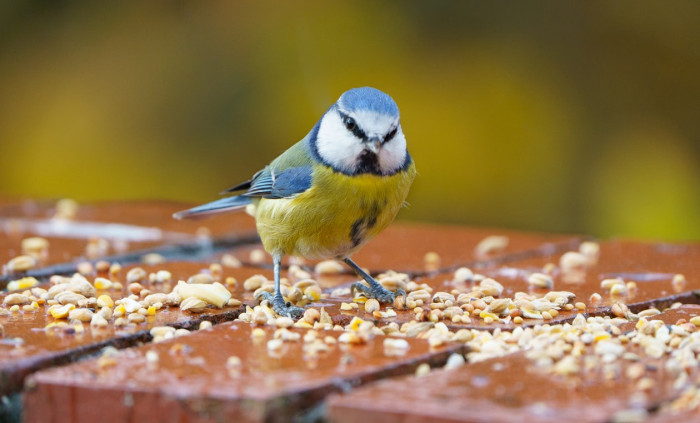
That sidewalk white stuff makes way more sense once you realize birds turn nitrogen waste into uric acid, which can come out paste-like instead of watery.
Why Bird Poop Is White
The white material is not feces bleached by digestion. It is uric acid and related salts, often called urates. The darker center comes from the digestive tract, and the two meet near the end of the body. Diet, hydration, species, and recent feeding can change the exact color and consistency.
The basic explanation behind bird poo and pee together is anatomical rather than accidental. Different systems share the final chamber and opening.
What Is the Cloaca?
The cloaca is a chamber that receives material from the digestive, urinary, and reproductive tracts. Waste passes out through the vent, the external opening beneath the tail.
Most birds use the same region for defecation, urination, mating, and egg laying, although the materials follow separate pathways before entering the cloaca. The reproductive process is explained more fully in how birds mate.
The cloaca does not mean everything is continuously mixed inside the bird. Muscular control and the arrangement of internal compartments help manage timing and movement.
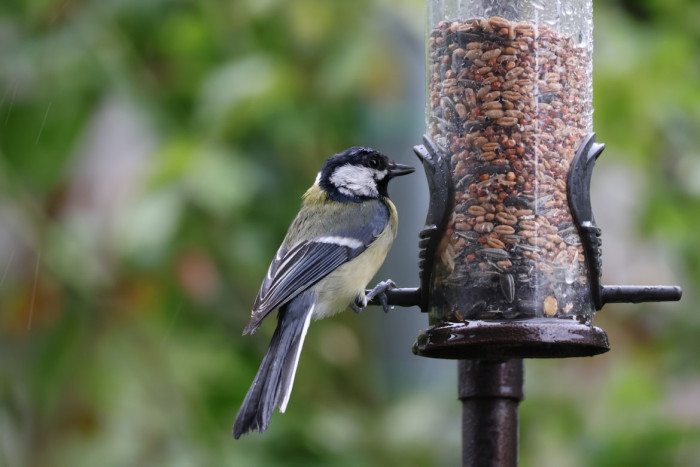
And when the waste travels through the ureters toward the cloaca, it explains why birds can look like they’re “doing both” at the same time, even when the systems are separate.
Do Any Birds Release Liquid Urine?
Yes. Their kidneys process an exceptional water load while still retaining needed salts.
Other birds may produce more liquid waste after drinking heavily, eating water-rich food, or experiencing stress. The result can look like urine around the usual feces and urates.
That does not turn them into mammal-style urinators. The anatomy and chemistry remain avian.
A group of birds crowding water bowls can take in enough water to make the liquid portion more visible soon afterward.
Want more body-biology weirdness like the “made up” backward-flying hummingbirds? Here’s how birds hear, from hidden ear openings to balance.
Why Uric Acid Helps Birds Conserve Water
Uric acid is poorly soluble, so the body can remove it with far less water than would be needed to carry the same nitrogen as urea or ammonia. That matters in deserts, during long flights, and whenever drinking opportunities are limited. Water balance also interacts with the cooling methods used by warm-blooded birds during heat and hard exercise.
It also benefits embryos. A developing chick cannot flush waste away through a placenta. Uric acid can accumulate inside the egg in a relatively low-toxicity, compact form until hatching.
Efficient, if inelegant.
The system comes with energy costs because converting nitrogen into uric acid requires more biochemical work. Evolution accepted that cost because water retention and safe egg development offered major advantages.
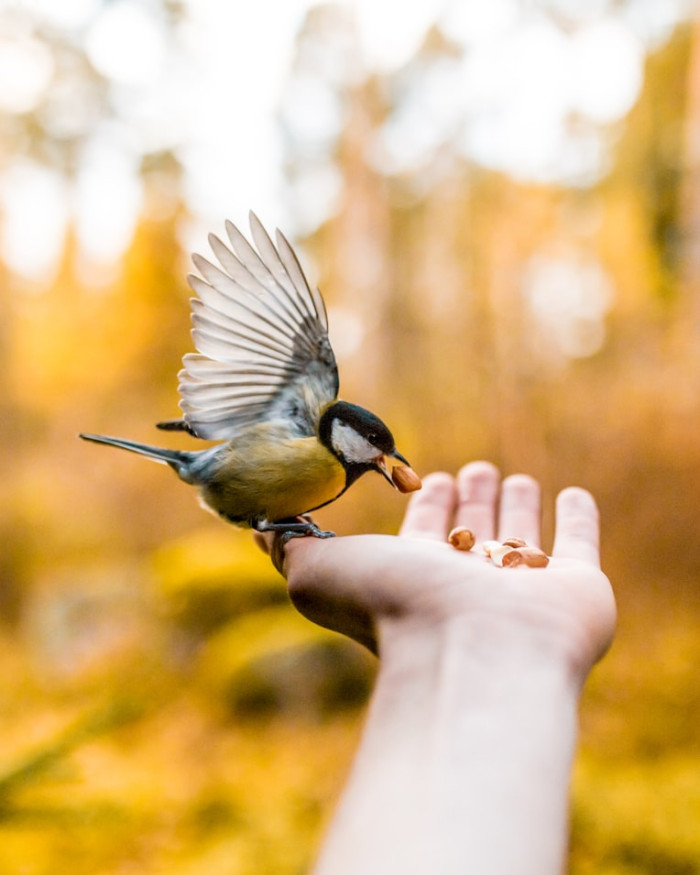
The cloaca is the real setup, because it’s the shared chamber where digestive, urinary, and reproductive routes all end up before the vent on the outside.
Can Bird Droppings Carry Disease?
Bird droppings can contain microbes, parasites, and fungal spores, although risk depends on species, quantity, environment, and how the material is disturbed. Large dry accumulations in enclosed areas deserve more caution than a single fresh dropping outdoors.
Problems are more likely when dried waste becomes airborne during sweeping or scraping. Guidance about exposure to bird droppings usually emphasizes moisture, ventilation, protective equipment, and avoiding unnecessary dust.
Cleaning a small outdoor mark and removing heavy contamination from an attic are not the same task. Anyone dealing with a large buildup or a health condition that increases infection risk should use professional or public-health guidance.
Why Droppings Sometimes Look Like Something Else
Camouflage can imitate the familiar white-and-dark pattern. Some insects resemble bird waste closely enough to discourage predators, including a caterpillar disguised as bird poop.
Actual droppings also change with berries, pigments, illness, medication, and the time since a meal. Green feces may reflect plant material or an empty digestive tract. Red can come from food, but it can also signal blood.
Appearance alone cannot diagnose a bird. A sudden persistent change in a pet bird, especially with weakness, reduced appetite, breathing difficulty, or straining, calls for an avian veterinarian rather than an internet color chart.
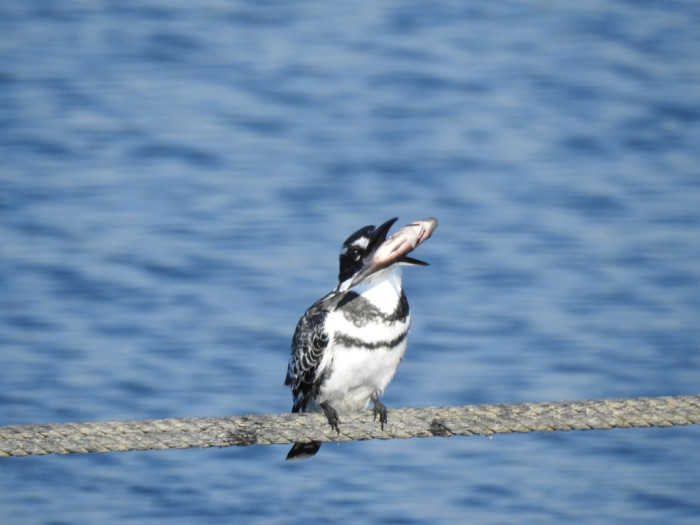
Even the “liquid urine” rumors fit the story, since some birds can produce more watery waste after heavy drinking or water-rich meals.
The Straight Answer
Birds urinate through their kidneys and urinary tract, but most package the result as concentrated urates and release it through the cloaca with feces. They pee. It simply does not look like the mammalian version.
That is how a bird can leave a mark on an unlucky person without producing two separate bathroom events.
Compact. Water-saving. Hard on car paint.
Next time you see a bird’s droppings, you’re basically looking at the cloaca’s behind-the-scenes schedule.
After learning about cloaca pee, you’ll want to binge these wild “made up” bird facts.
Share this article: