Can Birds Smell? The Myth and the Evidence

Some people insisted birds have no smell, like their noses are just decorative. It sounds believable at first, because birds are basically the poster children for high-powered vision, from eagles spotting prey far away to songbirds using color like a billboard.
Then the story gets messy: early researchers looked at the olfactory bulb size and treated that as the whole explanation, even though the real sensitivity depends on receptors, nasal tissues, and how the brain processes odor. Behavioral tests later showed many birds can actually make consistent scent choices, and genetic work found active odor-receptor genes across bird lineages.
And once you start comparing turkey vultures, kiwis, and ocean-flying seabirds, the “birds can’t smell” claim starts to fall apart fast.
Why People Thought Birds Could Not Smell
Birds are famous for vision. Eagles detect distant prey, songbirds use color in courtship, and many species see ultraviolet wavelengths that humans cannot. That visual strength encouraged the assumption that scent had little value.
Early researchers also judged smell partly by the size of the olfactory bulb, a brain region that processes odor. Some birds have relatively small bulbs, but size alone does not measure the full sensitivity of receptors, nasal tissues, or neural processing.
Behavioral experiments changed the picture. When birds were offered controlled scent choices, many consistently detected and responded to odors. Genetic studies also found active odor-receptor genes across bird lineages.
That whole “birds don’t smell” idea took off because everyone kept staring at how good birds look, not what they do when a scent shows up in a controlled choice test.
Which Birds Have the Best Sense of Smell?
Turkey vultures are the standard example. They can locate carrion beneath forest cover by following airborne chemicals released during decomposition. Their large nostrils and well-developed olfactory system give them an advantage where vision is blocked.
That skill matters because several vultures face serious threats from poisoning, habitat change, collisions, and contaminated food. A sensory system perfectly shaped for finding carcasses can also lead a bird toward human-made hazards.
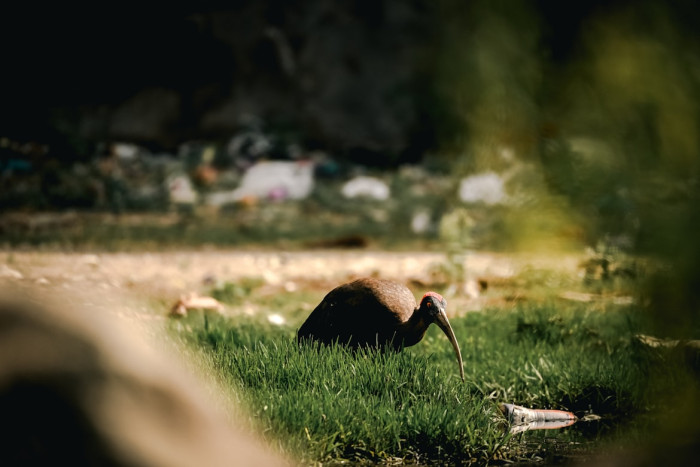
Kiwis are another specialist. Their nostrils sit near the tip of the bill, unusual among birds, and help them probe soil for worms and other prey. Petrels, shearwaters, and albatrosses detect food-related odors over the ocean, where visual landmarks are scarce.
Three very different noses. Three very different jobs.
Can Birds Smell Food?
Many can. The importance of smell depends on how and where the species feeds. Vultures track carrion odors, seabirds follow compounds associated with plankton activity, and kiwis use scent while searching underground.
Hummingbirds were once treated as purely visual feeders, but experiments show they can detect certain odors and may use them when evaluating flowers or avoiding danger. Some parrots and poultry also respond to food scents, although vision and learned cues remain important.
A backyard bird noticing seed does not prove it smelled the feeder from miles away. It may have seen other birds, remembered the location, or spotted the food directly. Scenes of birds gathering in a backyard usually involve several senses working at once.
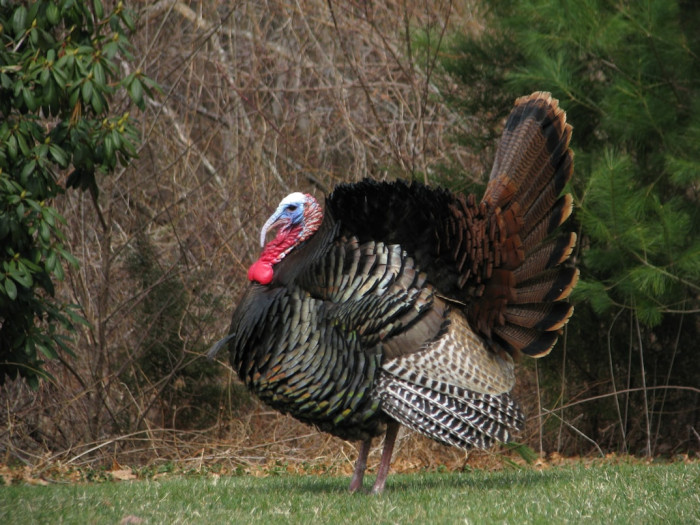
Meanwhile, turkey vultures are out there doing the most, sniffing carrion chemicals under forest cover, which is great for finding food and terrifying when poison or contaminated meat is involved.
And no, birds are not toothless, those “teeth” look like spikes because their serrated beaks and tongue spines do the real work.
Do Birds Use Smell to Find Their Way?
Pigeons provide strong evidence that odor can support navigation. Experiments in several regions found that disrupting access to local atmospheric odors interfered with homing performance. The birds appear able to learn a regional scent map and combine it with the sun, magnetic information, landmarks, and experience. Scent may also work alongside the compasses used during bird migration, especially when visual landmarks disappear.
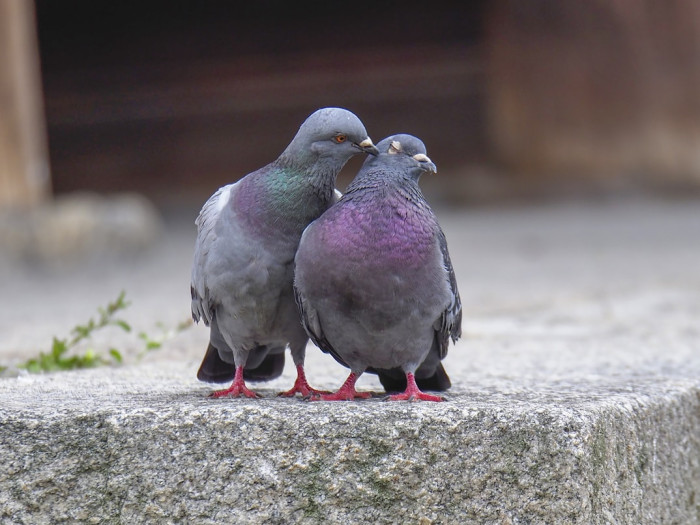
The system is flexible rather than dependent on a single compass. A city pigeon stealing poppies may look like an opportunist with one goal, yet the same animal group has sensory abilities that support journeys over unfamiliar terrain.
Seabirds also use odor around colonies and across open water. A smell carried on wind can provide information where coastlines or nesting burrows are hard to see.
Can Birds Smell Humans on Their Chicks?
The familiar warning that a parent bird will abandon a chick after a person touches it is generally false. Most songbirds do not reject healthy young simply because human scent is present.
That does not make handling harmless. People can injure a chick, disturb a nest, leave a trail for predators, or cause adults to stay away while the area remains active. The correct response depends on whether the bird is an uninjured fledgling, a nestling that fell, or an animal needing licensed wildlife care.
Scent is not the main risk. Disturbance is.
Birdwatchers who gather around a rarity should keep the same principle in mind. Good bird-watching behavior protects feeding, resting, and nesting space.
Then kiwis step in with that weirdly placed nostril setup at the bill tip, turning “smell” into a digging tool for worms and underground prey.
And over the ocean, petrels, shearwaters, and albatrosses use odor to track food when landmarks are basically useless, which makes hummingbirds’ scent-detecting moments even harder to ignore.
Do Birds Recognize Each Other by Smell?
Some do. Studies of seabirds, songbirds, and other groups suggest that odor can help with individual recognition, mate choice, kin detection, and nest identification. Birds also produce oils from the preen gland, and those secretions carry chemical information.
Scent profiles can vary with species, sex, diet, health, season, and microbial communities living on feathers. Researchers are still separating which differences birds actively read from those that merely exist.
Visual beauty gets more attention, especially among unusual pigeon breeds, but plumage is not the only signal exchanged between birds.
Do All Birds Smell Equally Well?
No. Olfactory ability differs across species just as eyesight and hearing do. Lifestyle shapes investment. A nocturnal ground feeder, an oceanic scavenger, and a hawk hunting in daylight face different sensory demands.
Even within one species, experience and context matter. A bird may detect an odor without using it for every decision. Wind, humidity, competing smells, hunger, and familiarity can change behavior.
The useful answer is broader than the old myth: birds can smell, and for some of them scent is central to survival. For others, it is one signal among many.
The “birds can’t smell” myth doesn’t survive contact with vulture noses, kiwi bill tips, and seabird skies.
Think birds only “smell” with their eyes? Then hear how hidden ear openings track songs, calls, prey, and balance.
Share this article: