Unique Farm Animals: Unusual and Exotic Livestock You Can Raise

A hobby farm can turn into a whole identity crisis the second you decide your animals have to be “rare.” One minute it’s fun browsing pictures of yaks with their dramatic coats, and the next minute you’re staring at a heat index forecast like it personally betrayed you.
It gets messy fast when you’re not just picking a species, you’re picking a whole lifestyle. You want milk, fiber, draft work, or that “metallic toy-like” look that makes people stop and stare, but yaks and water buffalo bring real climate and facility demands, and Highland cattle come with fencing and handling that do not care about your weekend plans.
By the time the herd arrives, the question is no longer “Is it unusual?” It’s “Did you match the animal to your land, or did you just fall for the photo?”
What Makes a Farm Animal Unusual?
An animal may seem unusual because the species is uncommon locally, the breed has a rare appearance, or its traditional agricultural role is unfamiliar. Yaks are ordinary livestock in parts of Asia. Water buffalo are central to dairy systems in several countries. In a North American hobby-farm context, both can look exotic.
The Livestock Conservancy's heritage breed resources explain why traditional breeds matter: they preserve genetic diversity and traits developed under particular environments and farming systems.
Rare does not mean decorative. It often means fewer breeders, fewer experienced veterinarians, and less room for error.
Yaks
Domestic yaks are adapted to cold, high-altitude environments and can provide fiber, milk, meat, hides, and pack work. Their dense coats and efficient use of rough forage make them appealing in suitable climates.
Heat and humidity are major concerns. Strong facilities, herd management, handling equipment, and knowledgeable veterinary care are also necessary. A yak chosen only because it looks dramatic may be living in the wrong climate.
Water Buffalo
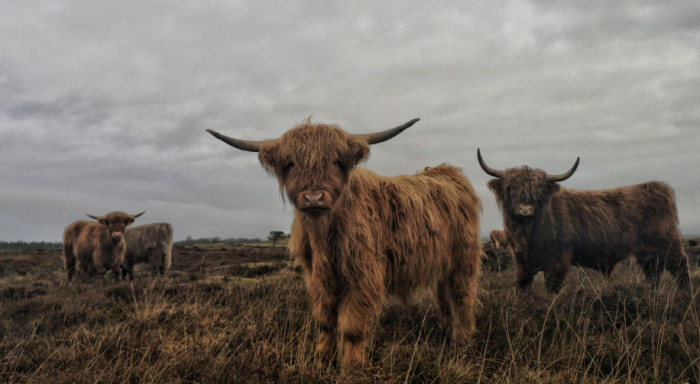
Water buffalo are domesticated bovines raised for milk, meat, and draft work. They are distinct from American bison, despite the common North American use of “buffalo” for bison.
River buffalo and swamp buffalo have different traditional roles. They can thrive in warm regions but need careful water, shade, fencing, handling, and herd planning. Compare them with cattle in cow vs buffalo.
Highland Cattle
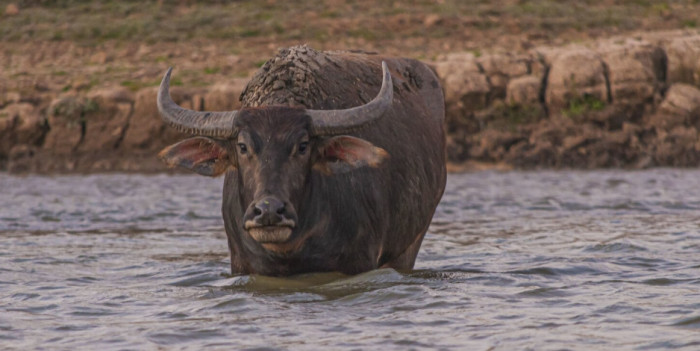
Highland cattle are not exotic in the strict sense, but their long coats and horns make them unusual to many small-farm audiences. The breed developed in Scotland and is known for hardiness in harsh weather.
The visual appeal is powerful. Photos of metallic-looking Akhal-Teke horse make them look almost toy-like. Mature animals remain strong horned cattle that require serious fencing and handling.

Mangalitsa Pigs
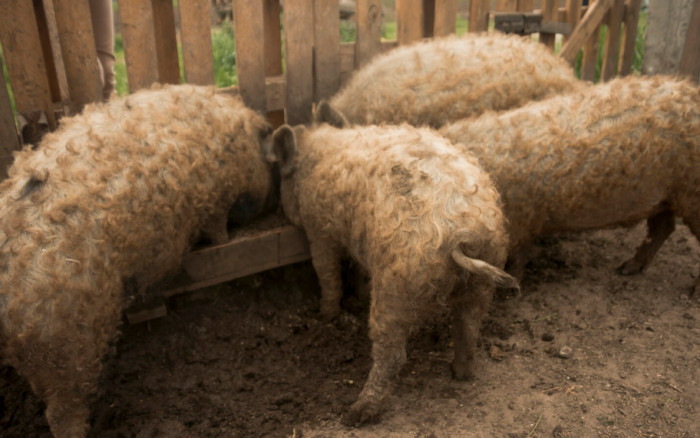
The Mangalitsa is a Hungarian pig breed with a curly coat that can resemble wool. It is valued as a heritage breed and specialty meat animal.
Its appearance creates confusion, as shown by Pupperish's profile of the wild pigs with an unusual blue discoloration. Under the coat is still a pig with rooting behavior, social needs, strong fencing requirements, and a substantial appetite.
Kunekune Pigs
Kunekunes are compact heritage pigs from New Zealand. They are often chosen for small farms because of their size, temperament, and grazing habits.
They still need pig-proof fencing, shelter, companionship, controlled feeding, and a realistic mature-size plan. “Small pig” and “indoor pet” are not equivalent categories.
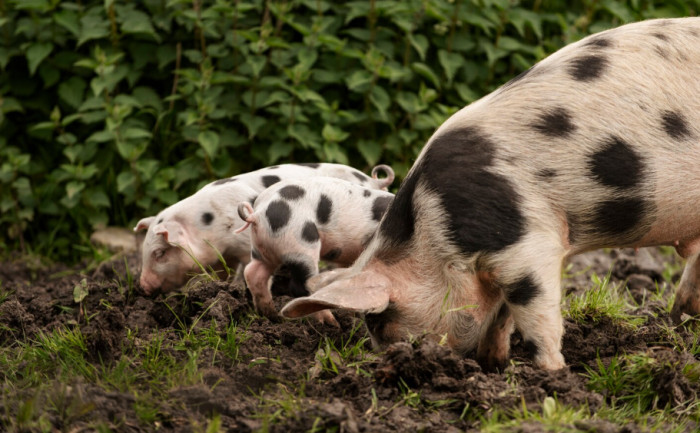
Llamas and Alpacas
Camelids have become familiar on hobby farms, but they remain unusual compared with conventional livestock. Llamas are larger and may be used for packing or guarding. Alpacas are smaller and selected primarily for fiber.
Their needs include herd company, appropriate fencing, parasite control, toenail trimming, shearing, shade, and camelid-competent veterinary care. See llama vs alpaca before treating them as interchangeable.
A camel-spitting incident is appealing because the bond is obvious. It also shows why buying a single camelid is poor planning.
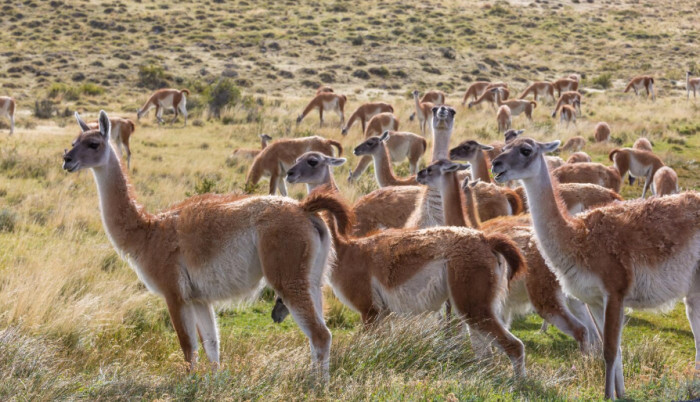
Emus and Ostriches
Emus and ostriches are large flightless birds raised for meat, oil, hides, feathers, breeding stock, or tourism. They require high, strong fencing and handlers who understand their speed, kicking ability, and breeding-season behavior.
These birds can injure people. Their eggs and chicks also need specialized management. A standard poultry coop is irrelevant here.
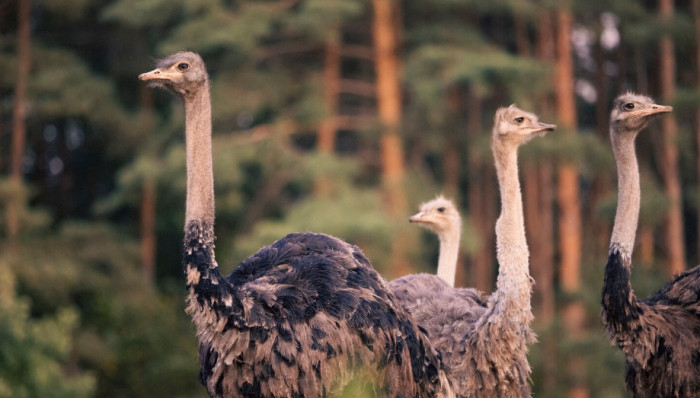
Reindeer and Farmed Deer
Some farms raise reindeer, red deer, fallow deer, or other cervids for meat, antlers, breeding, tourism, or cultural purposes. Regulations may be strict because of wildlife classification, disease control, transport, and fencing.
The small pudu is sometimes called the world's smallest deer. Pupperish's feature on pudu behavior and size is interesting, but wild rarity does not make a species suitable livestock.
Farmed deer should be researched through local agricultural and wildlife authorities, not general pet advice.

Bison
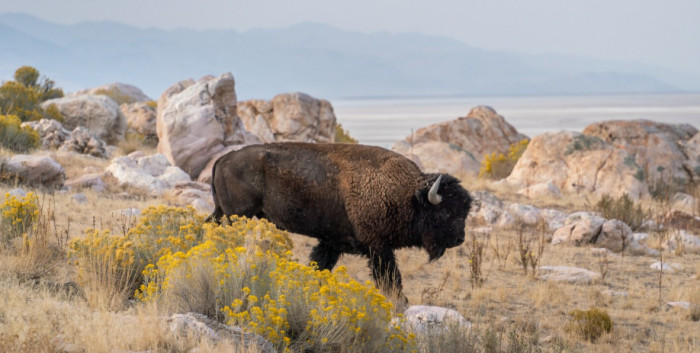
American bison may be raised for meat, conservation, tourism, or breeding. They are not oversized cattle. Their speed, jumping ability, herd behavior, and strength demand purpose-built facilities and experienced handling.
A blind bison finding companionship shows individual adaptability. It should not be used to underestimate species-level risk.
That’s when the yak fan in your circle starts bragging about “dense coats” right before the humidity rolls in.
If you are picking between dairy cattle and working donkeys, this guide to what different farm animals are raised for breaks down the care differences.
Then the water buffalo conversation shifts from “buffalo vibes” to actual river or swamp plans, shade schedules, and fencing that has to hold.
Next comes the Highland cattle phase, where everyone loves the long coats until they realize those horns still need serious handling.
Heritage Poultry
Unusual farm animals do not need to be large. Heritage chickens, ducks, geese, and turkeys can bring rare colors, behaviors, egg traits, and local adaptation to a farm.
The Livestock Conservancy's Conservation Priority List tracks breeds whose populations need attention. Keeping a rare breed responsibly involves accurate breeding records and avoiding indiscriminate crosses.
Guinea Fowl and Peafowl
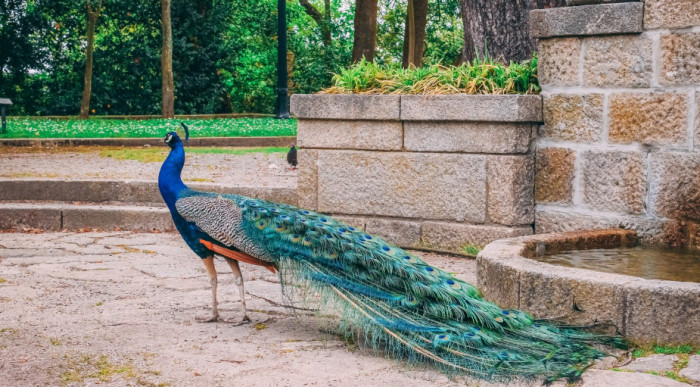
Guinea fowl are alert, vocal birds sometimes used for insect control and property awareness. Peafowl are kept for display, breeding, and feathers.
Both can roam, fly, call loudly, and frustrate neighbors. Their beauty does not reduce the need for secure shelter and a plan for where they will spend the night.
And once the Mangalitsa pigs enter the picture, the whole place becomes a balancing act of rare livestock, limited room for error, and way more mess than anyone expected.
Rare Breeds vs Exotic Species
A rare breed belongs to a familiar domesticated species but has a small population. An exotic species may be uncommon in the region or not traditionally domesticated there. The legal, veterinary, and welfare risks are usually greater with exotic species.
That is why miniature farm animals and farm animals list should be checked first. A rare small sheep breed is a different commitment from an ostrich or bison.
Questions to Answer Before Raising Unusual Livestock
- Is the species legal at the property and across state lines?
- Can a local veterinarian treat it?
- Is species-appropriate feed available year-round?
- Can the fence contain the adult animal?
- What companions does it need?
- How will it be transported safely?
- Is there a market or lifelong retirement plan?
- What happens during extreme heat, cold, drought, or flooding?
The University of Maryland's beginning farmer livestock manual shows how alternative livestock can involve different inspection and legal requirements. Local verification is essential.
Novelty Wears Off. Care Does Not.
Unusual and rare farm animals can support conservation, specialty production, tourism, land management, and genuine agricultural goals. They can also become expensive welfare problems when purchased for visual impact.
Pupperish has covered rare animals near extinction, but conservation is not achieved by private ownership alone. Start with climate, law, facilities, veterinary support, and purpose. The unusual appearance should come last.
If you pick animals just because they look wild, your farm will quickly tell you what “wrong climate” really means.
Want a quick lineup of every kind of livestock, from donkeys to yaks, in one place? Check this A-to-Z farm animals list with names, pictures, and short facts.
Share this article: