
Miniature Farm Animals: Small Livestock Breeds for Hobby Farms

A Highland cow photo in a feed can trick you into thinking “mini” means “easy,” but the minute you try to plan a real hobby farm, the math hits. You start measuring fences, feed, and space, then you realize some “mini” labels are just marketing, not a predictable adult size.
It gets messy fast when you’re juggling options like miniature Mediterranean donkeys that need dry shelter and careful weight management, miniature cattle that still require proper handling and herd setup, and tiny goat breeds that come with their own feeding and enclosure needs. Add in the fact that buyers are supposed to check breed registries, parent size, age, health records, and expected mature weight, and suddenly this cute idea turns into a full-on planning project.
Here’s the part nobody posts when they share the fluffy pictures.
What Qualifies as a Miniature Farm Animal?
Some miniature livestock has a formal breed standard. Other animals are naturally small breeds within a larger species. A few labels are marketing terms with no consistent adult size behind them.
The Livestock Conservancy breed directory includes cattle, horses, goats, sheep, pigs, rabbits, and donkeys, showing how much legitimate size and breed variation exists. Buyers should still check the breed registry, parent size, age, health records, and expected mature weight.
Small is measurable. “Teacup” often is not.
Miniature Donkeys
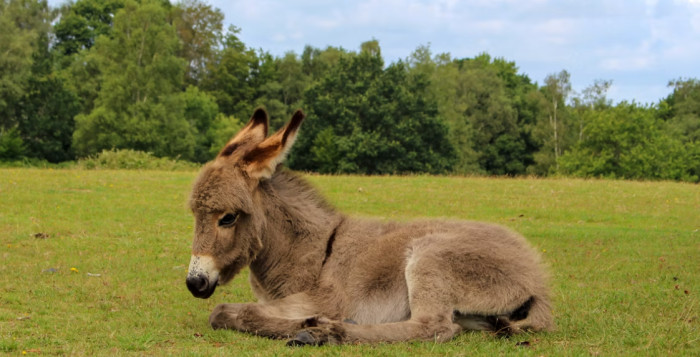
Miniature Mediterranean donkeys are among the best-known small farm equines. The Livestock Conservancy's miniature donkey profile traces their long history as working animals in the Mediterranean region.
They are social and should have compatible donkey company. They need dry shelter, secure equine fencing, hoof trimming, dental care, vaccinations, weight management, and veterinary support. Rich pasture can be a problem because donkeys evolved to use sparse forage efficiently.
Mini donkeys can also become public attractions. Some have been used as drink-carrying burros at weddings, which looks amusing but still requires trained handlers and attention to crowd stress.
Miniature Cattle
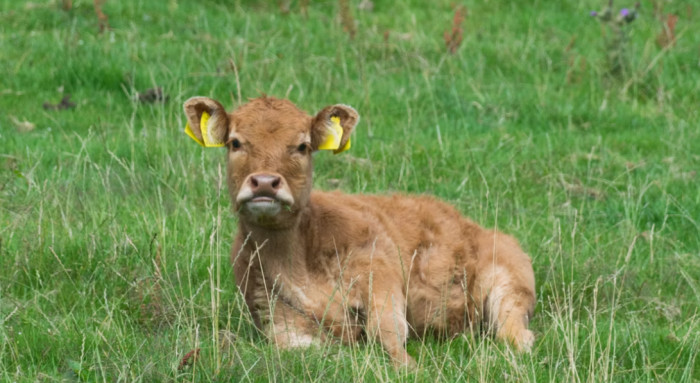
Miniature cattle include compact beef and dairy breeds and smaller lines developed within established breeds. Examples may include Dexter, Lowline or Aberdeen cattle, Miniature Hereford, and smaller Highland lines, although standards and naming differ among registries.
They generally eat less and need less handling space than large cattle. They do not become backyard pets automatically. Strong fencing, herd companionship, winter feed, manure management, safe handling, and cattle veterinary care remain necessary.
The appeal is obvious when fluffy Highland cows fill a photo gallery. Mature horns, weight, and herd behavior are less obvious in a close-up.
Pygmy and Nigerian Dwarf Goats
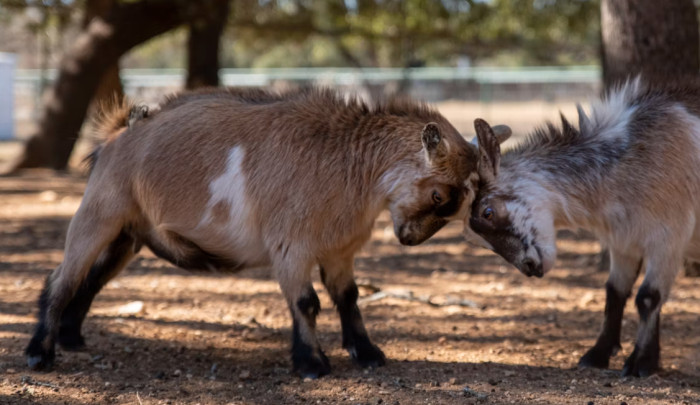
Pygmy goats are compact, stocky goats historically associated with meat type, while Nigerian Dwarf goats are small dairy goats known for milk production relative to body size. Both are social and need at least one compatible goat companion.
They require strong fencing, dry shelter, hoof care, parasite control, correct minerals, and a plan for breeding or keeping males separate. Small goats squeeze through gaps that larger animals merely inspect.
Their personalities are part of the appeal. So is the work.
Babydoll Southdown and Other Small Sheep
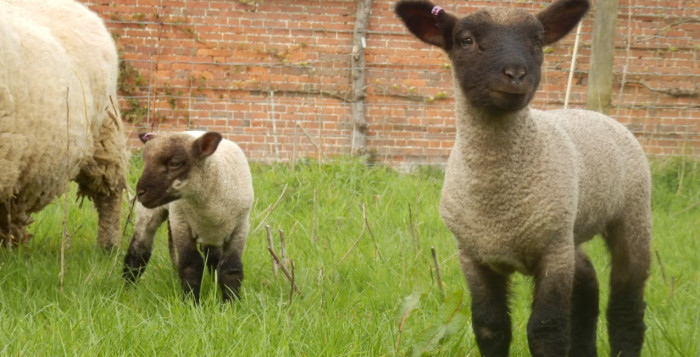
Babydoll Southdowns are a compact form of the Southdown sheep. Other relatively small sheep breeds may suit hobby farms depending on climate, purpose, and availability.
Sheep need flock company, predator protection, hoof care, parasite monitoring, and either shearing or a hair-sheep management plan. A small sheep is easier to handle than a large one, but a neglected fleece or untreated parasite problem is not smaller in consequence.
Kunekune Pigs
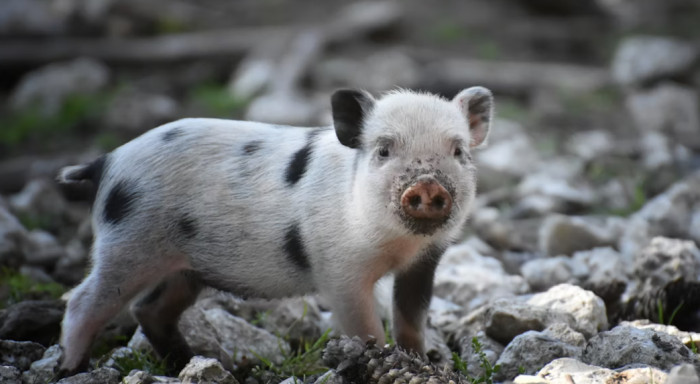
Kunekune pigs are a smaller heritage breed from New Zealand, known for a compact body and grazing ability. They are often promoted for small farms because they may be less destructive than some larger pigs when managed correctly.
That description should not be translated into “won't root” or “easy pet.” Kunekunes need pig-proof fencing, shelter, social company, controlled feeding, hoof and skin care, and a realistic mature-size plan. Even a small pig is powerful.
The story of a couple whose supposed mini pig grew far beyond expectations shows what happens when adult size is treated as a sales detail.
Miniature Horses
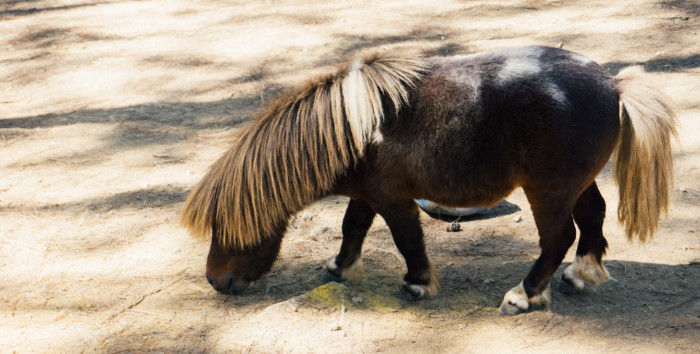
Miniature horses are true horses bred to small height standards. They need the same categories of care as larger horses: forage management, hoof trimming, dental care, vaccination, parasite control, exercise, companionship, and safe fencing.
In the United States, properly trained miniature horses can serve as service animals under specific circumstances. Pupperish has covered how miniature horses can work as service animals, a role that depends on temperament, training, and public-access behavior rather than size alone.
For physical differences among equines, compare donkey vs horse and horse vs donkey vs mule.
Small Poultry and Rabbits
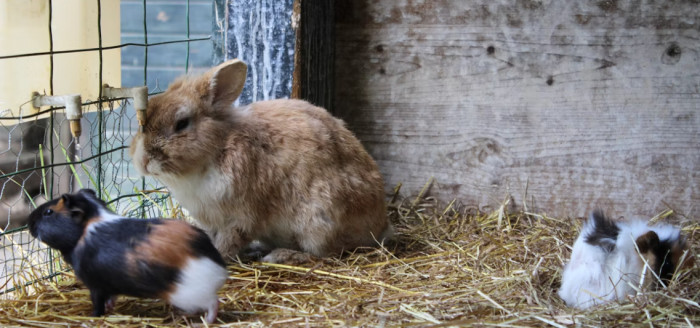
Bantam chickens are smaller versions or breeds of chickens, while Coturnix quail and some pigeon breeds are naturally compact poultry options. Rabbits also offer small livestock choices for meat, fiber, manure, show, or breeding.
These animals reduce acreage needs but increase the importance of predator-proof housing. A raccoon does not consider a bantam coop a minor target.
Rabbits also require strong heat management. Quail need carefully designed pens. Small birds can be more vulnerable to drafts, wet litter, and injury.
That’s when the “teacup” talk stops being cute, because the adult size can be a total mystery if the label has no consistent standard.
Mini breeds still need the right job, like dairy cattle, working donkeys, and other farm animals raised for specific roles.
Then the miniature Mediterranean donkey section gets real, since rich pasture can backfire and you still need secure equine fencing, hoof trimming, dental care, and vaccinations.
Next comes miniature cattle, where it’s easy to underestimate how much work “smaller” still means, from winter feed and manure management to safe handling around horns and herd behavior.
Miniature Farm Animals vs Backyard Farm Animals
The terms overlap, but they are not identical. A standard chicken can be a good backyard animal without being miniature. A miniature cow may still be unsuitable for a suburban yard.
Our guide to backyard farm animals focuses on property limits, neighbors, waste, and local rules. This article focuses on recognized small livestock and compact breeds.
Finally, when you land on pygmy and Nigerian dwarf goats, the planning continues, because the enclosure and feeding setup you thought would be simple has to match their compact, stocky bodies too.
Are Miniature Farm Animals Easier for Beginners?
Sometimes. Reduced body size can make feeding, transport, and handling more manageable. It may also allow a small group to live on land that could not support standard cattle or horses.
However, breed rarity can make veterinary care, breeding stock, and accurate information harder to find. Miniature animals may also be prone to obesity because owners overestimate their feed needs. Some have dwarfism-related health issues, especially when small size has been pursued without sound breeding.
That is why best farm animals for beginners should be chosen by total care requirements rather than adult height.
Questions to Ask a Breeder
Before buying small livestock, ask:
- What registry or breed standard applies?
- What are the parents' mature heights and weights?
- Is the animal fully grown?
- Which health tests and vaccinations have been completed?
- Does the animal have dwarfism or another condition affecting size?
- What companion animals does it need?
- What fencing has contained it successfully?
- Is local veterinary care available?
Do not accept a cute photo as a mature-size guarantee.
The Best Small Farm Animal Is the One That Fits at Maturity
Miniature livestock can make a hobby farm more practical and diverse. It can also create expensive surprises when the buyer plans for a baby rather than an adult.
Use types of farm animals to decide which role is needed, compare unique farm animals if rarity is part of the appeal, and then verify the breed through records rather than adjectives. Even the most photogenic baby Highland cows grow into cattle.
The photo gallery is adorable, but the real test is whether your farm setup matches the animals you actually bring home.
Before you commit to tiny cattle or goats, match your land and budget with the beginners’ guide to the easiest livestock to raise.
Share this article:





