Types of Farm Animals and What They Are Raised For

It started with a “simple” farm list, until the day someone realized the definition of farm animals is basically a moving target. One minute you’re picturing cattle and pigs, the next you’re reading about bees, donkeys, rabbits, and ducks living under the same big umbrella.
The situation gets messy fast because different animals are raised for totally different reasons. Dairy farms revolve around milk schedules, clean water, udder health, and constant care, while meat operations juggle breed, age, climate, feed, processing access, and local demand. Even the “familiar” cow-in-a-field story gets complicated when that same curiosity can tempt people to forget safe handling.
Here’s the twist, the animals might look like one category, but they behave like separate worlds.
What Counts as a Farm Animal?
The term covers domesticated or managed animals raised for food, fiber, labor, breeding, land management, or other agricultural purposes. The USDA agricultural thesaurus describes livestock as domestic or farmed animals raised for food and fiber, including cattle, hogs, sheep, and horses. Poultry is often discussed alongside livestock even when official statistics place it in a separate category.
That broad definition explains why a farm animals list can include everything from cattle and pigs to bees, rabbits, ducks, and donkeys. It also explains why no single care guide can cover every species well.
The familiar picture is only one part of it. The USDA overview of small-scale livestock operations tracks beef cattle, dairy cattle, swine, sheep, goats, poultry, bison, horses, and other livestock types. Farms can be highly specialized or keep several species for different purposes.
Dairy Farm Animals
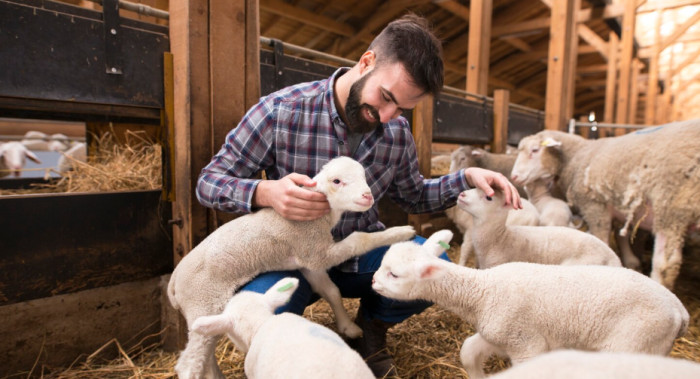
Dairy animals are raised primarily for milk. Cattle dominate commercial dairying in many countries, but goats, sheep, and water buffalo also produce milk used for drinking, cheese, yogurt, butter, and other foods.
Dairy management is demanding because production depends on consistent feeding, clean water, udder health, breeding plans, and regular milking. The animals also need suitable housing, hoof care, and veterinary support. A picturesque cow in a field hides a strict schedule.
Some cattle are also unusually social. One story about a cow that followed a puppy home captures the curiosity people often notice around young cattle, though friendly behavior never replaces safe handling.
Meat-Producing Livestock
Cattle, pigs, sheep, goats, poultry, rabbits, and several less common species may be raised for meat. The category sounds simple until breed, age, climate, feed availability, processing access, and local demand enter the decision.
Pigs convert a varied diet efficiently but require strong fencing and careful waste management. Sheep and goats use pasture and browse differently. Chickens grow quickly but need protection from weather and predators. Cattle require far more land, feed storage, and handling infrastructure than small livestock.
This is why best farm animals for beginners is a separate question from which species can produce meat. An animal can be productive and still be a poor first choice.
That’s when the “it’s all livestock” idea starts to wobble, because poultry gets separated in official stats even though people lump it in anyway.
Poultry and Egg-Producing Animals
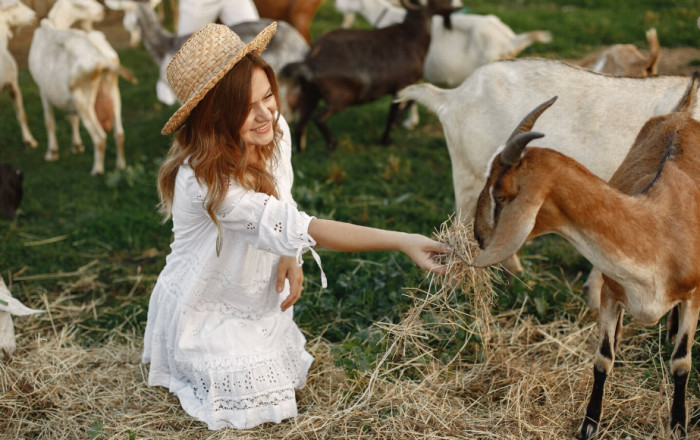
Chickens are the best-known egg layers, but ducks, quail, geese, guinea fowl, and turkeys may also be kept on farms. Poultry can provide eggs, meat, breeding stock, pest control, or a combination of those roles.
Egg production varies by species, breed, daylight, nutrition, age, and health. Ducks often lay larger eggs, while chickens offer the widest choice of established laying breeds and equipment. The practical differences are covered in more detail in duck eggs vs chicken eggs.
Housing must remain dry, ventilated, and secure. Predators do not care that a coop looked attractive online.
Fiber-Producing Farm Animals
Sheep are closely associated with wool, but alpacas, llamas, Angora goats, cashmere goats, rabbits, and some cattle breeds can also produce usable fiber or hair. Fiber quality depends on genetics, nutrition, age, cleanliness, shearing, and processing.
A sheep with an unmanaged fleece can face serious welfare problems. The dramatic recovery of Baarack after an overgrown fleece was removed shows why shearing is routine care rather than decoration.
Alpacas are generally selected for fine fiber, while llamas are larger and have traditionally been used for packing as well. That distinction is central to llama vs alpaca.
Then the dairy part hits, with milk production depending on a strict routine, clean water, and breeding plans, not just “keeping cows around.”
And if you’re thinking “farm animals,” don’t forget the four-legged neighbors, like country dog names with front-porch energy.
Working and Guardian Animals
Horses, donkeys, mules, oxen, llamas, and livestock guardian dogs may work rather than directly produce food. Their jobs include pulling, carrying, herding, guarding, transporting people, and protecting other animals.
A working animal still needs species-appropriate rest, social contact, nutrition, hoof care, training, and veterinary treatment. Calling an animal a worker does not reduce its welfare needs. A farm that rented goats for video calls found a lighter public role for livestock, but even novelty work needs calm handling and rest.
Donkeys and horses are both equines, but they differ in build, behavior, and management. The distinctions matter before choosing between them, as explained in donkey vs horse.
Small and Miniature Livestock
Rabbits, poultry, miniature donkeys, small sheep breeds, compact cattle, and miniature goats appeal to people with limited acreage. Smaller does not automatically mean effortless. Some miniature animals are strong, vocal, social, and capable of testing weak fences within minutes.
The better question is whether the animal's mature size, group needs, shelter, feed, manure, and veterinary care match the property. Our guide to miniature farm animals separates genuine small breeds from vague marketing labels.
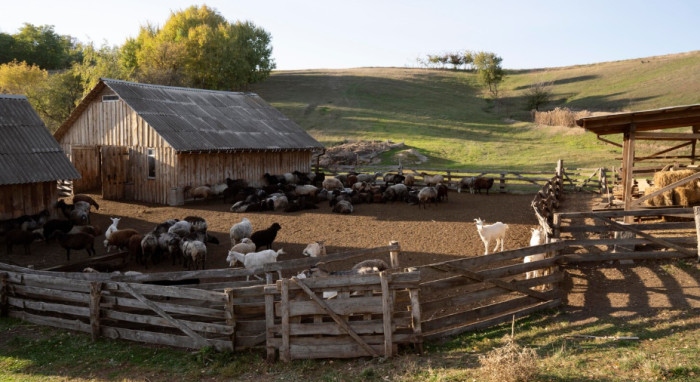
After that, meat-producing livestock turns into a math problem, pigs need strong fencing and waste management, while sheep and goats depend on feed and local logistics.
Unusual and Alternative Farm Animals
Farms may also keep yaks, water buffalo, bison, ostriches, emus, deer, camelids, heritage breeds, or other alternative livestock. These animals can suit a climate, market, conservation goal, or personal interest, but they often require specialized fencing and experienced veterinary care.
They are not novelty lawn ornaments. Unique farm animals deserve the same planning as conventional livestock, often more.
That point is easy to miss when farm content focuses only on appearance. Even a playful page of cute farm animals represents species with very different social and physical needs.
The Most Common Farm Animals
Across mixed and small farms, the most common groups are usually:
- Cattle for milk, meat, breeding, or draft work
- Pigs for meat and breeding
- Sheep for meat, wool, milk, or vegetation management
- Goats for milk, meat, fiber, or browsing
- Chickens for eggs and meat
- Ducks, turkeys, and geese for eggs, meat, or specialty production
- Horses, donkeys, and mules for transport, work, or recreation
- Rabbits and bees for smaller-scale production
The list is broad because farming is broad.
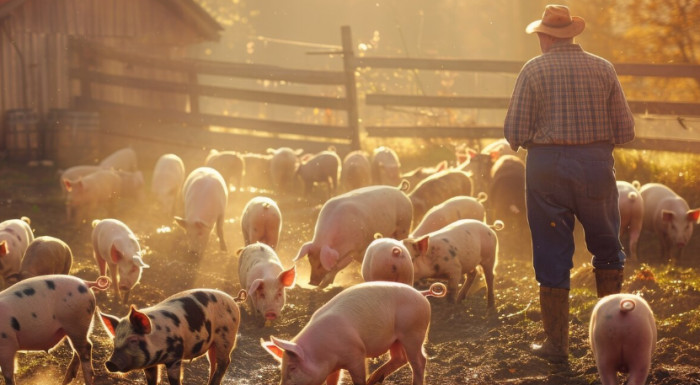
And just when you think you’ve got it, the story of the cow following a puppy home reminds everyone that friendliness is not the same thing as safety.
Choosing a Category Is Only the Start
A farm animal should be chosen by purpose, mature size, social structure, climate tolerance, fencing, feed supply, manure handling, veterinary access, and local rules. The role may define the category, but the care plan determines whether the choice works.
Some animals also remain on farms long after their productive years. Photographs of elderly rescued farm animals make the point clearly: these are long-term living commitments, not equipment that can be stored when plans change. That is where a classification becomes a workable farm plan.
The farm-animal label sounds simple, but the job each animal is raised for changes everything.
Want proof pigs are more than farm stock, see how pigs communicate, learn routines, and use mud.
Share this article: