
Are Birds Warm-Blooded or Cold-Blooded?

A tiny bird can look like a fluffy snowball, but there is serious heat management happening under all that cozy feathers. The real twist is that “warm-blooded” does not mean “never changes,” it means the animal actively makes and regulates heat with its own metabolism.
Now picture a winter morning where a Shima-Enaga or chickadee has to ride out a long, cold night. It has to find enough food before sleep, then switch into controlled cooling during torpor, all while wind tries to steal heat and its feet sit there like exposed hardware.
By the time snow and ice show up, the question is not “will it freeze,” it is “how does it keep the core warm while the outer parts flirt with the cold?”
What Warm-Blooded Means for Birds
Warm-blooded is the familiar term for endothermy. An endotherm generates most of its body heat through metabolism instead of relying mainly on sunlight, warm ground, or surrounding water.
That does not mean body temperature never changes. Birds can allow controlled drops during sleep or torpor, and different body regions can be much cooler than the core. It means the animal actively manages temperature through physiology and behavior.
Internal furnace. Adjustable controls.
A bird’s heart, lungs, air sacs, blood, feathers, and muscles all contribute. The system is costly, which is why a small bird may spend much of a winter day finding enough food to survive the night. A missed feeding window can therefore become a temperature problem within hours, especially for a tiny species facing a long, cold night.
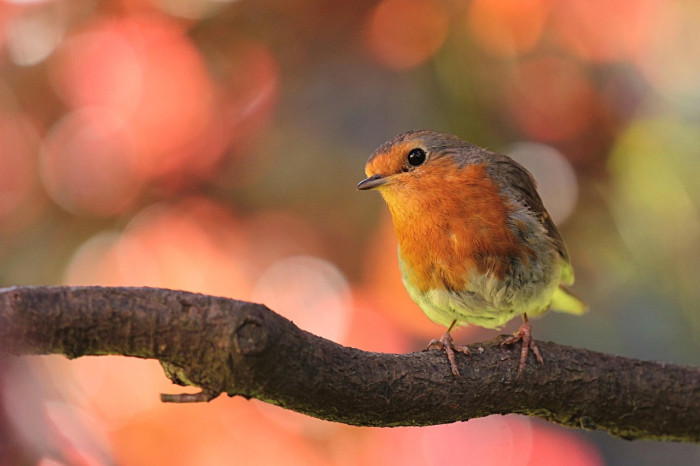
That is why the bird’s heart, lungs, air sacs, blood, feathers, and muscles work like an internal furnace, not just a passive coat.
How Birds Stay Warm in Cold Weather
Feathers are the first defense. Down and contour feathers trap layers of still air near the skin. When a bird fluffs up, it increases that insulating layer, which is why a Shima-Enaga or chickadee can look rounder on a cold morning.
Birds also shelter from wind, tuck exposed parts into feathers, huddle, and shiver. Shivering muscles burn fuel and release heat. Some species store extra fat before winter or migration, then use it as an energy reserve.
Feet present a special problem because they cannot be wrapped in thick feathers without interfering with perching or swimming. Countercurrent heat exchange lets warm arterial blood transfer heat to cooler blood returning from the feet, reducing loss from the core.
Why Snow and Ice Do Not Automatically Freeze a Bird
A snowy owl in flight carries dense plumage over most of its body, including heavily feathered legs and feet. Penguins use tightly packed feathers, fat, and social behavior. Small songbirds seek cavities and dense vegetation.
Cold feet are not always a failure. A bird can keep its toes only a little above freezing while protecting a much warmer core. The temperature difference reduces the amount of heat flowing into the environment.
It looks uncomfortable by human standards. It works.
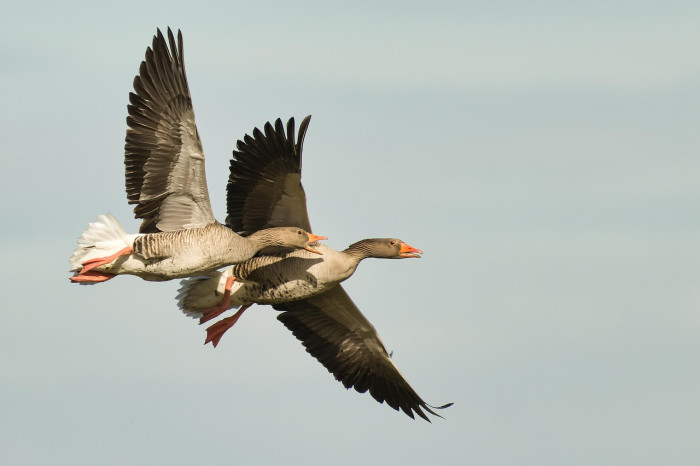
Then comes the nasty part, missing a feeding window and watching the temperature problem show up within hours.
How Birds Cool Down
Birds do not have sweat glands like humans. They release heat by panting, increasing blood flow to exposed skin, spreading wings, seeking shade, bathing, and reducing activity.
Long, bare legs can act as radiators. Wading birds such as flamingos move heat through those exposed surfaces. Some vultures and storks use urohidrosis, defecating on their legs so evaporating moisture cools the skin.
Hummingbirds face the opposite extremes within hours. Their intense daytime metabolism generates enormous heat, while their tiny bodies lose heat rapidly at night. A cluster of hummingbirds bathing looks playful, but access to water also matters in hot conditions.
It’s like the classification debate in Are birds reptiles, where a sparrow is not a lizard but still sits in the reptile family tree.
Can Birds Lower Their Body Temperature?
Yes. Some use torpor, a controlled state in which metabolism and body temperature fall. Hummingbirds, nightjars, and several other small birds can save energy this way when nights are cold or food is limited.
Torpor does not make them cold-blooded. The drop is regulated, temporary, and followed by active reheating. Mammals such as bats use comparable strategies without losing their mammal classification.
Other birds make smaller overnight adjustments. The amount varies by species, season, weather, food supply, and body size.
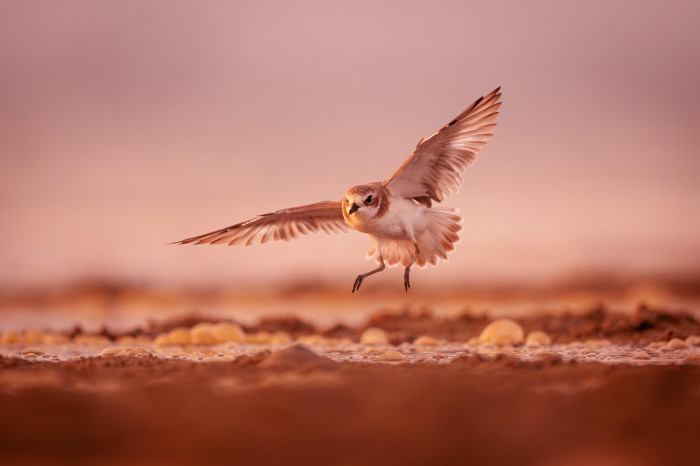
Next, birds lean hard on feathers and behavior, fluffed insulation, sheltering from wind, huddling, and yes, shivering for extra heat.
Warm Blood and Flight
Flight muscles need rapid, sustained energy. Birds meet that demand with efficient lungs, air sacs that keep air moving through the respiratory system, powerful hearts, and high metabolic rates.
The same system that powers how birds fly also produces heat. During hard exercise, cooling becomes as important as warming. Birds may fly with open beaks, expose unfeathered areas, or choose cooler altitudes and times of day.
Migrants face both problems. A small yellow-green warbler must regulate heat while crossing large distances, then conserve it during rest.
Are All Reptiles Cold-Blooded?
Most living non-avian reptiles are ectothermic, but that does not prove every extinct dinosaur had the same physiology. Evidence suggests dinosaur metabolism varied and that the line leading to birds developed increasingly active, heat-producing bodies.
Birds are living dinosaurs. Their endothermy is part of that evolutionary history, not evidence against it.
The final answer is straightforward: birds are warm-blooded animals with unusually high energy demands and a large set of adaptations for retaining or releasing heat. They do not simply stay hot. They manage heat constantly.
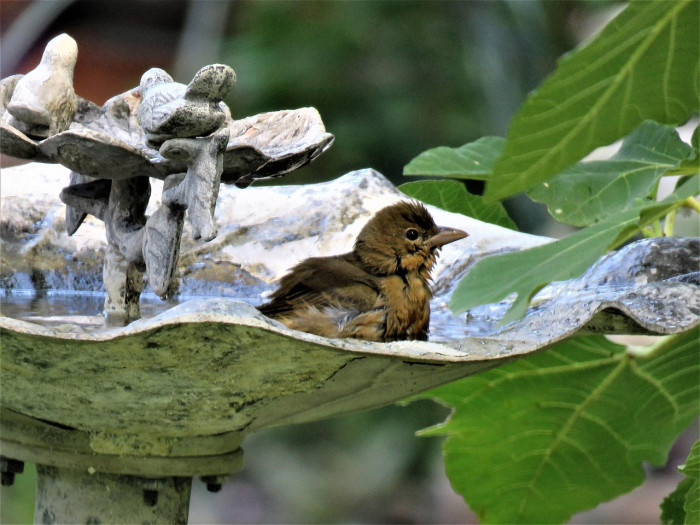
Finally, even when snow and ice are everywhere, countercurrent heat exchange and tightly managed toe exposure keep the feet from ruining the whole plan.
Common Questions About Bird Temperature
Do birds feel cold? Yes. Endothermy does not make an animal immune to cold. A bird must spend energy to replace lost heat, and severe weather can become dangerous when food is scarce, feathers are wet, or shelter is unavailable.
Are baby birds warm-blooded? They are, but newly hatched chicks may regulate temperature poorly. Altricial chicks hatch naked or lightly covered and depend heavily on a brooding parent. Precocial chicks hatch with down and greater mobility, although parental warmth can still matter.
The bird is not “cold-blooded,” it is just running a smarter heating schedule than you’d guess from the fluff.
Ready for weirder bird behavior? Dive into 50 facts about backward-flying hummingbirds and ant-bathing cardinals.
Share this article:





