Are Birds Dinosaurs? Why Scientists Say Yes

A 28-year-old woman refused to call her pet parrot a “bird,” insisting it was something older and weirder. Her friends laughed, until she pulled out a fact that sounds like a prank but keeps showing up in fossils: birds are dinosaurs. Not “like” dinosaurs, not “dinosaur-ish” dinosaurs, but dinosaurs in the evolutionary sense, with the paperwork to prove it.
Here’s where it gets complicated. “Dinosaur” does not mean giant, extinct reptile, it means a specific branch on the family tree. Birds sit inside Theropoda, the two-legged dinosaur crew that includes relatives like Velociraptor and T. rex, and modern birds did not evolve straight from T. rex, they share older theropod ancestors.
And once you start comparing feathers, wishbones, air-filled bones, and toe-walking legs, the story stops sounding like a trivia flex and starts sounding like a time machine.
What Does It Mean to Call Birds Dinosaurs?
Dinosaur is not a synonym for giant, extinct reptile. It is a defined evolutionary group. Once a lineage evolves inside that group, its descendants remain part of it even if their bodies change dramatically.
Birds evolved within Theropoda, the mostly two-legged dinosaur group that also included animals such as Velociraptor and Tyrannosaurus. Modern birds did not evolve from T. rex itself. They and tyrannosaurs share older theropod ancestors.
That distinction matters. A sparrow is a dinosaur in the same way a human is a mammal. The label describes ancestry, not size or appearance.
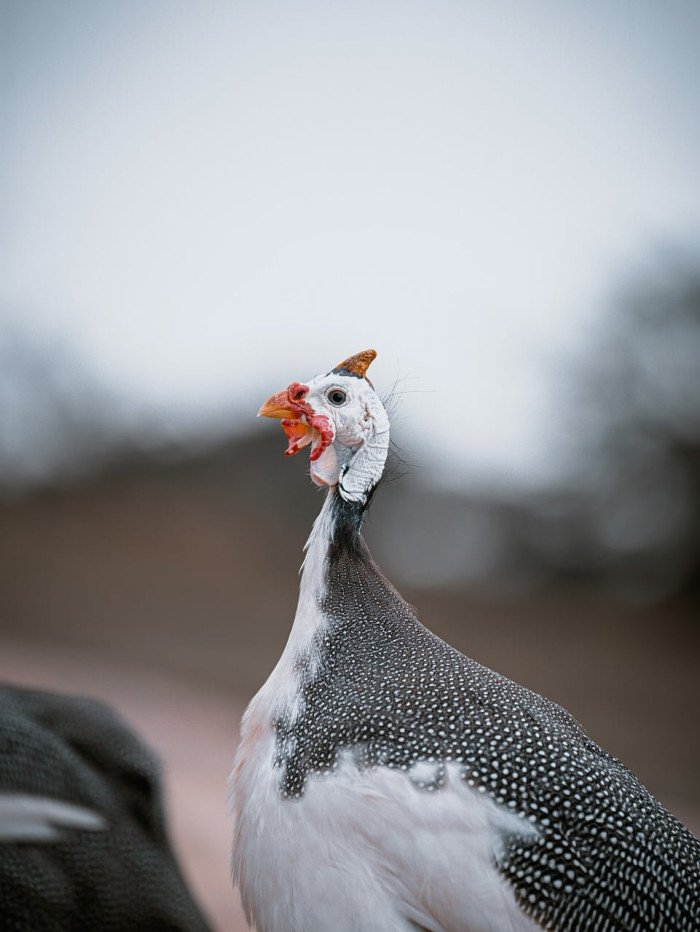
That parrot argument gets way less funny when you realize “dinosaur” is about ancestry, not size or looks, so a sparrow can be a dinosaur without being a hulking monster.
The Fossil Evidence
Archaeopteryx, known from Late Jurassic fossils, combines flight feathers and wings with teeth, clawed fingers, and a long bony tail. It is not a perfect halfway creature, because evolution does not move through neat ladders, but it shows a mix expected near the early bird branch.
Later fossils filled in much more. Feathered dinosaurs have been found with wishbones, air-filled bones, nesting postures, wings, and several feather types. Some could glide or fly. Others used feathers for insulation, display, egg protection, or balance.
One 99-million-year-old amber bird represents only a small piece of that record. The larger pattern comes from hundreds of specimens and many independent anatomical comparisons.
Traits Birds Inherited From Theropods
Bird bodies are heavily modified, yet the framework remains theropod. Their legs are positioned under the body. Most walk on their toes. The ankle, hip, shoulder, wrist, and hand contain recognizable dinosaur patterns.
The furcula, better known as the wishbone, existed in non-avian theropods. So did hollow or air-filled bones in many species. Brooding adults preserved over nests show another familiar behavior.
Feathers provide the most visible link. They appeared before true birds and before powered flight. A gallery of baby birds growing into adult plumage shows how transformative feathers remain during one lifetime, while the fossil record shows their transformation across deep time.
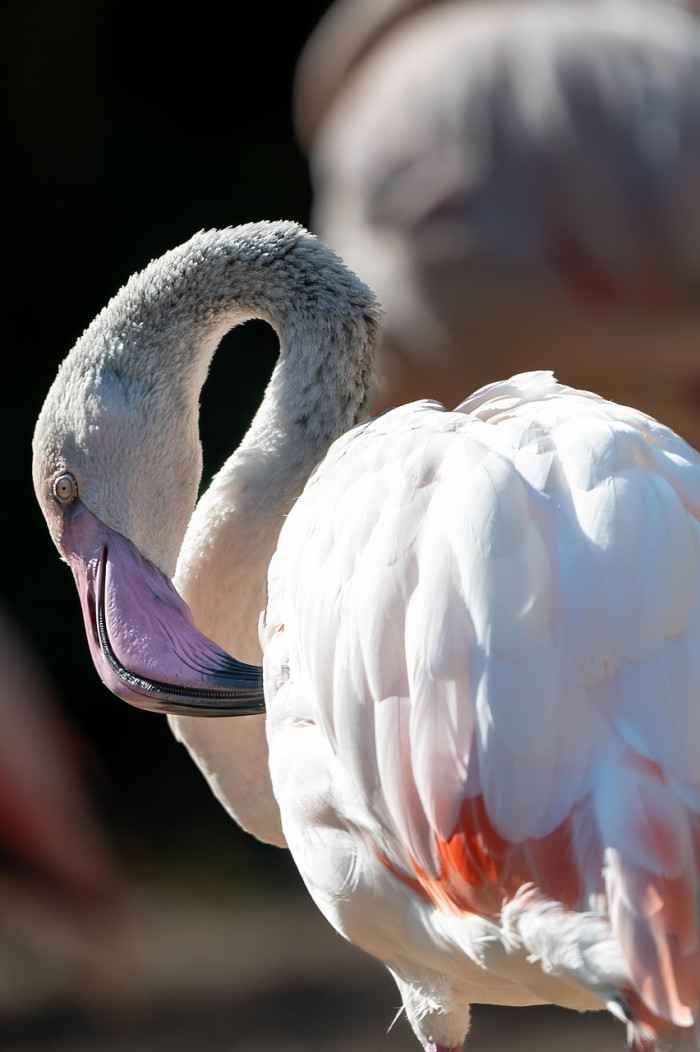
Then the conversation turns to Archaeopteryx, the Late Jurassic fossil that mixes flight feathers with teeth, claws, and a long bony tail, like evolution was halfway through a makeover.
This is exactly the kind of weird, survival-prone behavior you’ll see in the backward-flying hummingbird and ant-bathing cardinal facts.
Why Chickens Still Look Surprisingly Dinosaur-Like
Look at a chicken running, scratching soil, guarding chicks, or jerking its head while walking. The dinosaur comparison stops feeling abstract.
Feet are especially revealing. Three forward-facing toes are common in birds and many theropods. Scales cover the lower legs. Claws remain useful for digging, gripping, fighting, and defense. A group of fancy chickens may look decorative, but the underlying skeleton is built on an ancient plan.
The resemblance has limits. Modern birds lost the long bony tail, fused many bones, developed powerful flight systems, and replaced teeth with beaks. Evolution kept editing.
How Did Any Dinosaurs Survive the Asteroid?
The end-Cretaceous impact caused fire, darkness, cooling, food-web collapse, and rapid environmental change. Large animals with specialized diets faced severe disadvantages. The bird lineages that survived were likely small and capable of using flexible food sources.
Seed-eating may have helped some survivors because seeds can persist after living vegetation is damaged. Ground-dwelling habits may also have mattered when forests collapsed. The exact combination is still studied, and not every early bird group survived.
What emerged was a narrow set of survivors with room to diversify. Over time, their descendants occupied oceans, forests, grasslands, deserts, cities, and polar coasts. That diversification eventually produced radically different bird lifespans, breeding schedules, and survival strategies.
Did Extinct Flightless Birds Stop Being Dinosaurs?
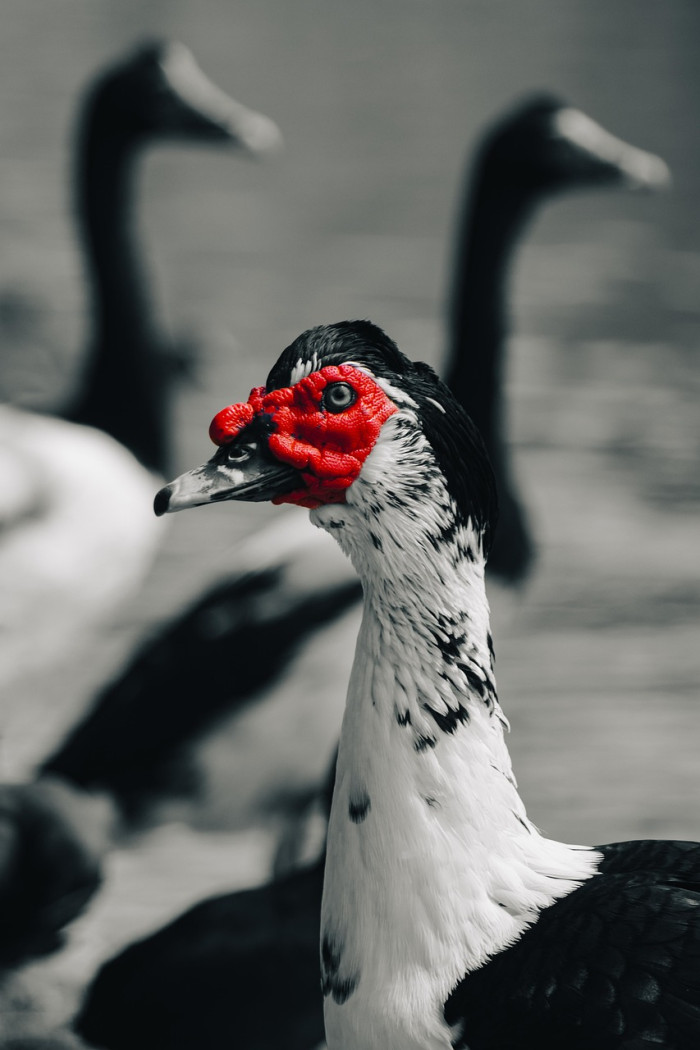
No. Flight does not define dinosaur status. Penguins, kiwis, rails, ostriches, and extinct giant birds all remain avian dinosaurs because ancestry does not disappear when a trait is lost.
The Aldabra rail even provides a striking example of repeated evolution. A flightless form vanished when its island flooded, then descendants of flying rails later recolonized the island and evolved flightlessness again. The story of the rail that re-evolved shows how flexible a dinosaur body can be.
The same logic applies to flightless birds worldwide. Wings may shrink, become swimming flippers, or remain useful for display and balance.
Bird Facts Make More Sense With the Dinosaur Link
Birds have warm blood, rapid metabolism, complex lungs, elaborate courtship, and highly developed brains. These traits did not appear after dinosaurs vanished. Many began evolving within dinosaur lineages long before the impact.
That is why the question are birds mammals has a firm no, while the dinosaur question has a firm yes. Similar physiology can evolve in distant branches. Shared ancestry is the stronger classification signal.
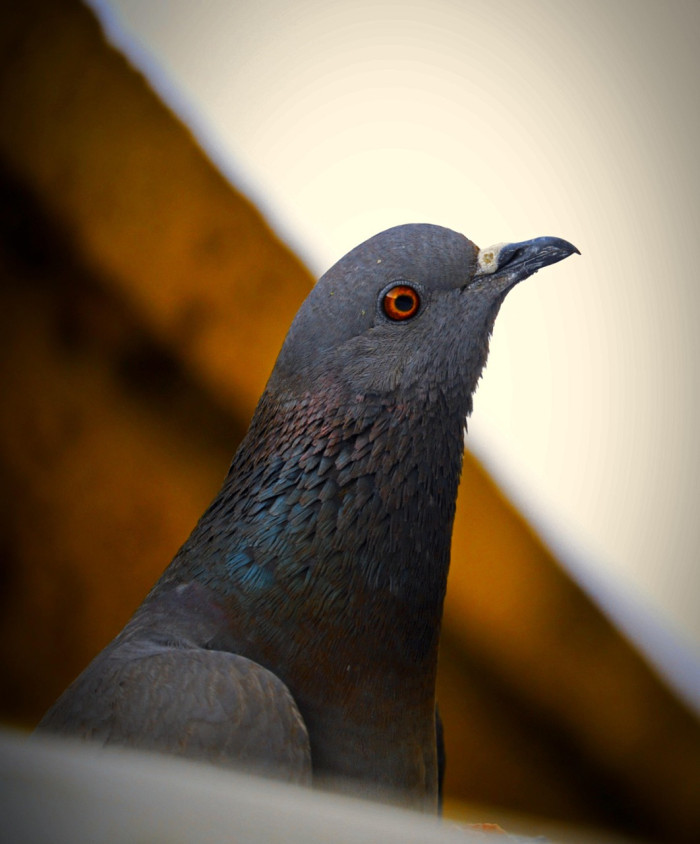
Every pigeon on a pavement is part of a 150-million-year experiment in feathered dinosaur design.
Hard to unsee.
Common Questions About Living Dinosaurs
Is a chicken related to T. rex* Yes, but not because chickens descended directly from Tyrannosaurus. Both are theropods and share older ancestors. Birds come from a different, smaller-bodied theropod branch that had already developed feathers and several bird-like skeletal traits.
Why are pterosaurs not birds* Pterosaurs were flying reptiles on a separate archosaur branch. Their wings were skin membranes supported mainly by an enlarged fourth finger. Bird wings evolved within dinosaurs and are built from feathered forelimbs with a different history.
The next time someone calls birds “just birds,” they’re accidentally ignoring the whole dinosaur family reunion.
Still think birds are separate from reptiles? Then read why modern classification puts sparrows in the reptile family tree.
Share this article: