
18 Cute Rare Animals You May Not Know Exist

Some rare animals look like they were designed by a committee that never agreed on a theme. The Ili pika is basically a rabbit that forgot to grow a tail, the pink fairy armadillo is tiny enough to feel like a glitch, and the sand cat is built for desert nights that would freeze most other cats solid.
But here’s the messy part, these cuties do not live in easy-to-watch places. The northern pudu slips through Andean forests like it’s trying to avoid being noticed, the pink fairy armadillo spends most of its life underground in Argentina’s sandy stretches, and the olinguito only got formally described after people painstakingly checked what was already sitting in museum collections and what they could still spot in cloud forests.
So when you finally learn these animals exist, it feels less like “cute fact” and more like stumbling onto a secret that’s been hiding in plain rocky terrain.
1. Ili Pika
The Ili pika lives in rocky mountain areas of northwestern China. It has rounded ears, thick fur, and the compact body of a rabbit that forgot to grow a tail.
The species went unrecorded for long periods after its scientific discovery. Climate shifts and changes in mountain habitat add pressure to an already limited range.

2. Pink Fairy Armadillo
The pink fairy armadillo is the smallest armadillo species. It has a pale furry body and a pink shell attached differently from the heavier armor of larger relatives.
Most of its life happens underground in sandy parts of Argentina. That makes direct observation difficult and explains why basic details about its population remain uncertain.

3. Sand Cat
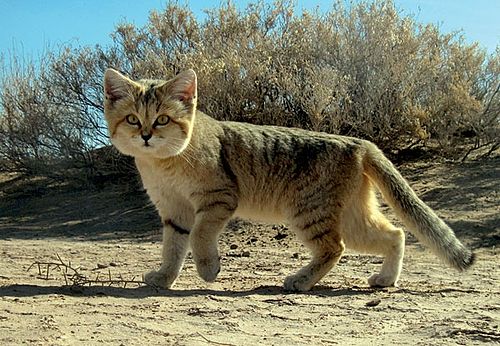
Sand cats live in deserts across North Africa, the Middle East, and Central Asia. Wide heads, large ears, and thick fur on the feet help them manage cold nights and hot sand.
They are small, but not domestic. A sand cat can survive with little free water and hunt rodents in places where cover is almost absent.
4. Pallas’s Cat
Pallas’s cats have dense coats, low-set ears, and round pupils. Their flattened facial expression has made them internet favorites, usually under the name manul.
They live in cold grasslands and rocky areas across Central Asia. The thick fur creates a heavy look, but the body underneath is similar in size to a domestic cat.

5. Northern Pudu
The northern pudu is one of the world’s smallest deer. It lives in Andean forests and moves through dense vegetation on short legs.
Its large eyes and compact face create the baby-like appearance people respond to. In the wild, those features belong to a shy browser that depends on thick cover.

6. Olinguito
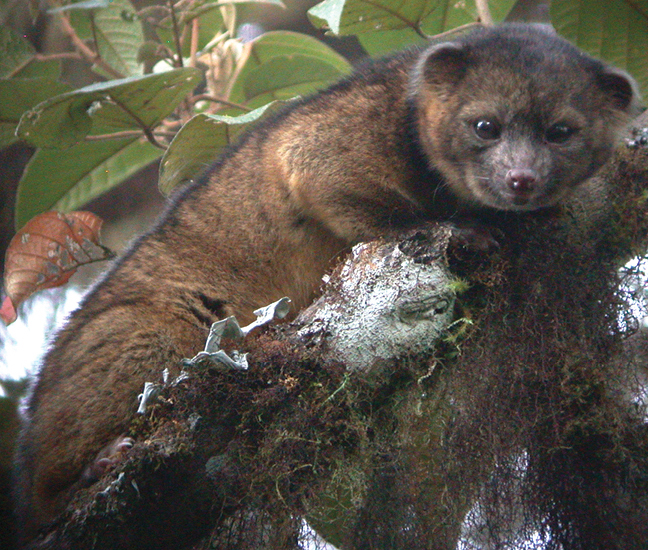
The olinguito is a small tree-dwelling mammal from cloud forests in Colombia and Ecuador. It belongs to the raccoon family and has reddish fur, a rounded face, and a long tail.
Scientists formally described it in 2013 after examining museum specimens and wild populations. The animal was new to science, not new to local people.
7. Numbat
The numbat is an Australian marsupial with a striped back, pointed face, and long tongue used to collect termites. Unlike many marsupials, it is active during the day.
Habitat loss and introduced predators reduced its range dramatically. It now appears in protected areas and conservation breeding programs, alongside other rare Australian animals.

8. Tree Kangaroo
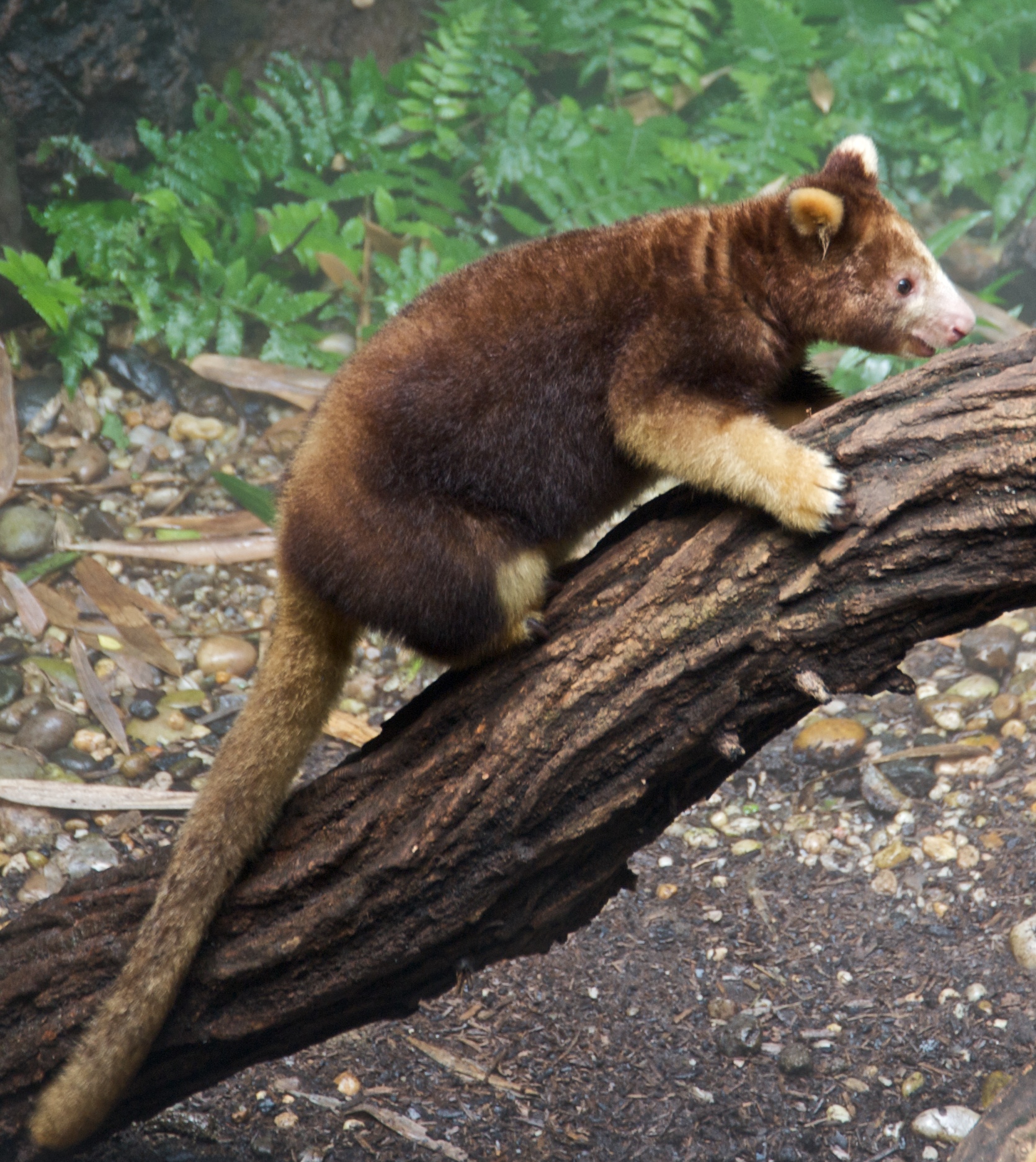
Tree kangaroos have strong forelimbs, long tails, and a more bear-like face than their ground-dwelling relatives. They move through rainforest canopies in Australia and New Guinea.
A close look at a tree kangaroo with its baby makes the appeal obvious. Their climbing lifestyle, however, depends on forests that remain connected.
9. Elephant Shrew
Elephant shrews, also called sengis, are small African mammals with long flexible noses. They are more closely related to elephants than to true shrews, despite the size difference.
One species returned to scientific attention after decades without a confirmed record. Pupperish covered the tiny elephant shrew rediscovery.

Also, if you love “wait, is that real?” vibes, see rare cute sea animals with tiny fins and round faces.
10. Rusty-Spotted Cat
The rusty-spotted cat is one of the smallest wild cats in the world. It lives in parts of India and Sri Lanka, where its spotted coat helps it blend into grass and scrub.
Small does not mean easy to keep. The species is secretive, fast, and built for hunting.

11. Kākāpō
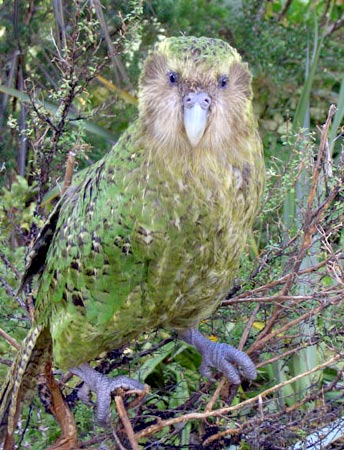
The kākāpō is a large flightless parrot from New Zealand. It is nocturnal, moss-green, and unusually heavy for a parrot.
Conservation teams monitor every known bird closely. Young kākāpō can look especially awkward while learning to move, as seen in these moss chicks learning to walk.
12. Quokka
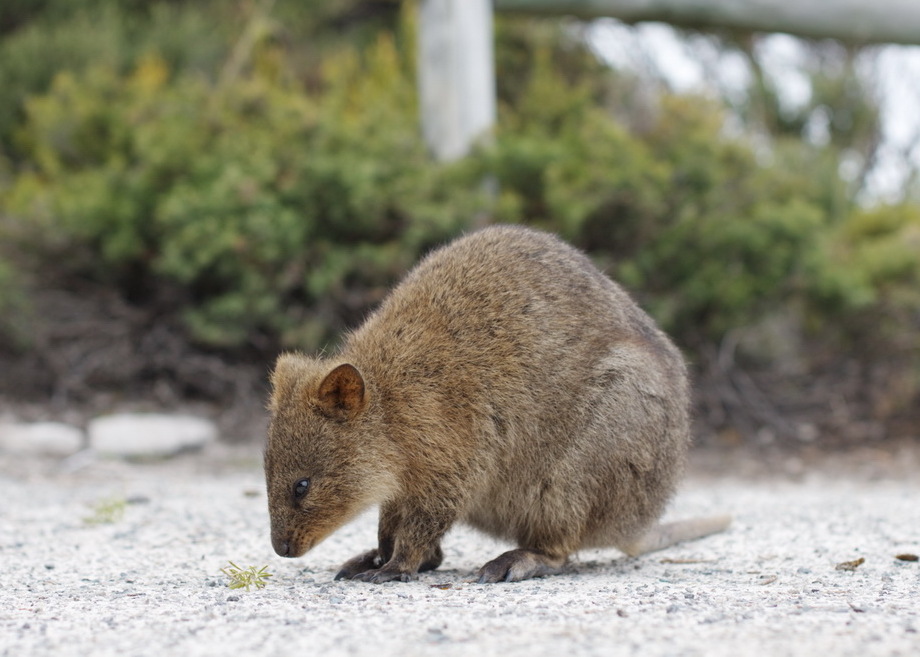
Quokkas are small marsupials with rounded ears and a mouth shape that often looks like a smile. Most wild populations live in restricted parts of Western Australia, including offshore islands.
The expression is anatomy, not a permanent mood. Still, photographs of relaxed quokkas explain why the species became a social-media celebrity.
13. Black-Footed Ferret
Black-footed ferrets are slender North American predators that depend heavily on prairie dog colonies for food and shelter.
The species was once believed extinct in the wild before a small population was found. Intensive breeding and reintroduction programs brought ferrets back to selected grassland sites.

14. Axolotl
Axolotls are salamanders that usually retain juvenile features throughout life, including external gills. Their permanent “smile” is one reason captive animals are so popular.
Wild axolotls occupy a far smaller world than pet-store versions suggest. Their natural habitat is limited to waterways around Mexico City and has been heavily altered.

15. Elf Owl
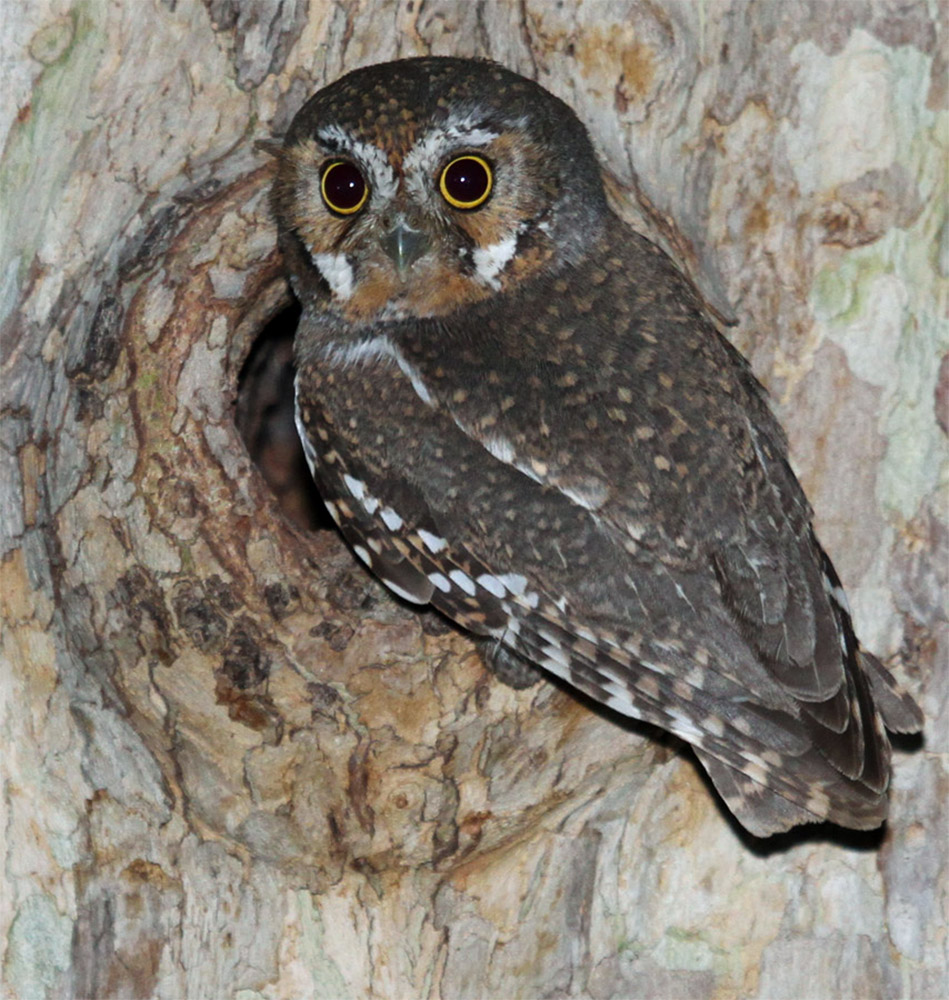
The elf owl is one of the smallest owl species, weighing little more than a few coins. It often nests in old woodpecker holes in desert cacti and trees.
Its tiny size does not stop it from hunting insects, scorpions, and small vertebrates. Pupperish’s elf owl profile captures the scale.
16. Red Panda
Red pandas live in temperate Himalayan forests with dense bamboo. Their rust-colored coats, white facial markings, and ringed tails create a resemblance to both foxes and raccoons.
They are the only living members of their own family. Habitat fragmentation makes movement between feeding and breeding areas harder.

17. Slow Loris
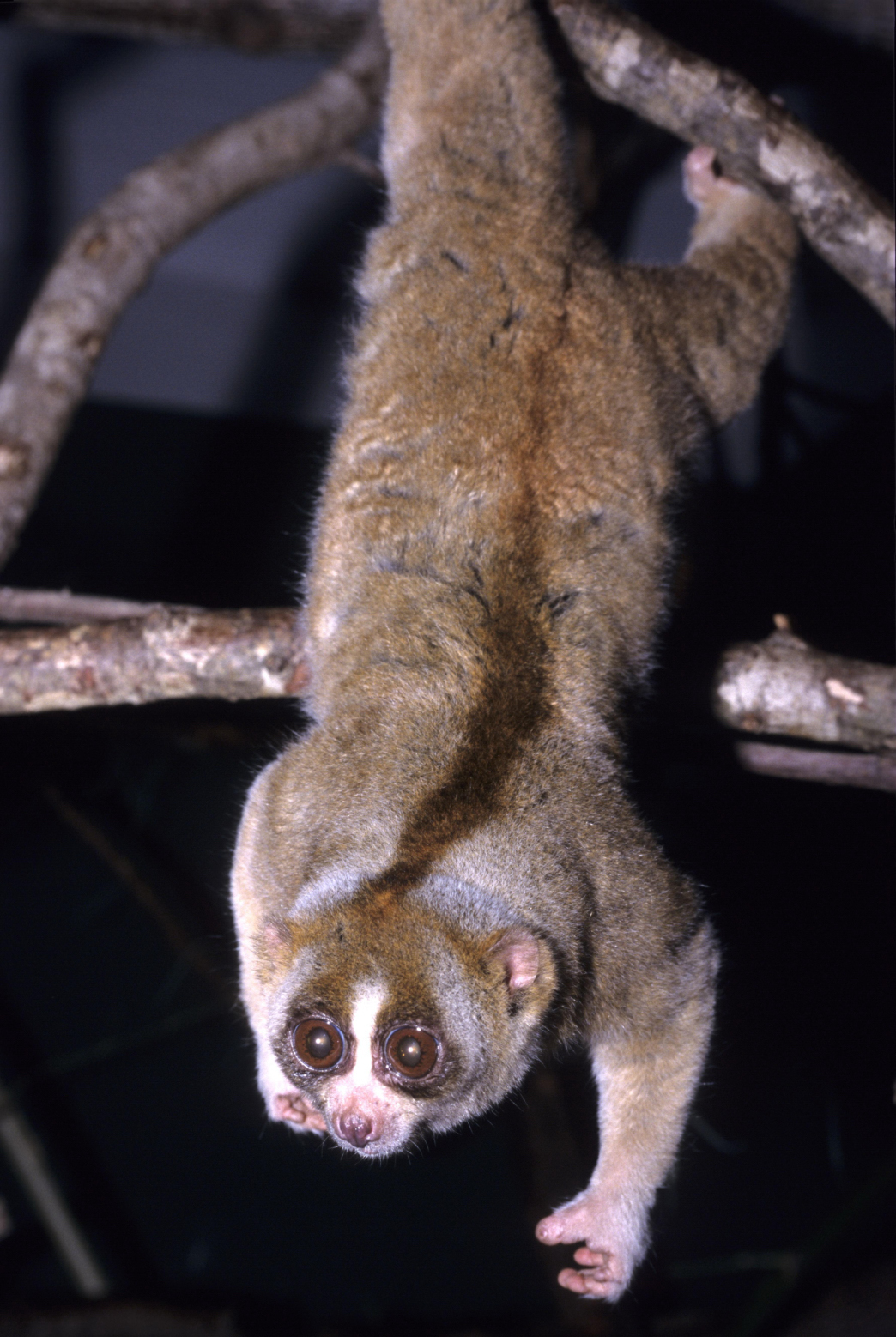
Slow lorises have large forward-facing eyes and a careful, deliberate climbing style. The appearance has fueled illegal pet trade, often through videos that misread stress as cuteness.
They are among the few venomous mammals. A gland near the elbow produces an oil that mixes with saliva and can make a bite medically serious.
18. Flapjack Octopus
The flapjack octopus spends much of its time near the deep seafloor. Its round body, short arms, and ear-like fins create one of the strongest cute responses in marine biology.
It belongs with other rare cute sea animals, where soft bodies and large eyes are practical deep-water traits rather than decoration.

The Ili pika’s rounded ears and thick fur sound adorable, until you remember its habitat in northwestern China is rocky, limited, and already under pressure from climate shifts.
Then the pink fairy armadillo shows up, all pale fuzz and a mismatched pink shell, but it spends so much time underground in Argentina that nobody can easily tally its population.
After that, the sand cat and Pallas’s cat keep the vibe going, big ears, thick coats, cold nights, and rocky grasslands, yet they still survive in places where “easy observation” just doesn’t happen.
Cute Does Not Mean Safe or Suitable as a Pet
A cute face can distort judgment. People may assume a small animal is gentle, common, or easy to care for. None of those conclusions follows automatically.
Sand cats are wild predators. Slow lorises have venomous bites. Axolotls require very specific water conditions, and wild populations face pressures unrelated to the pet trade.
The same caution applies to rare Amazon rainforest animals. A short-eared dog or small monkey may look approachable in one photograph while living a life that depends on distance from people.
That contrast is also why collections of unexpectedly cute zoo animals and cute unique animals work so well. The appearance catches attention. The biology corrects the first impression, especially when the animal’s survival depends on cold mountain rock, mature forest hollows, clean urban wetlands, or prey that disappears when the habitat is simplified.
Once you see how many of these animals hide by default, “rare” stops feeling cute and starts feeling personal.
Want cuteness with real hiding power, check out rare Amazon rainforest animals surviving flooded forests and dark rivers.
Share this article:





