30 Fun Facts About Hedgehogs From Spines to Hibernation

A 28-year-old woman refused to call her new backyard visitor “cute and harmless” after she found a tiny hedgehog doing the most dramatic things imaginable, like self-anointing in the grass and then waddling off like it owned the night. The animal looked like a walking burrito, all spines and mystery, but the more she watched, the more the “spiky pet” label started to feel way too simple.
It got complicated fast, because this hedgehog was not acting like a cartoon. It stayed mostly alone, hunted beetles and worms like an opportunist, and somehow kept its soft belly hidden while the stiff keratin spines stayed locked in place. Then, there was the whole hibernation question, plus the fact that cow’s milk was a no-go, even if someone nearby once swore it was fine.
By the time she realized hedgehogs do not shoot their spines, the night became less “aww” and more “wait, how is this real?”
Hedgehog Facts About Spines and Senses
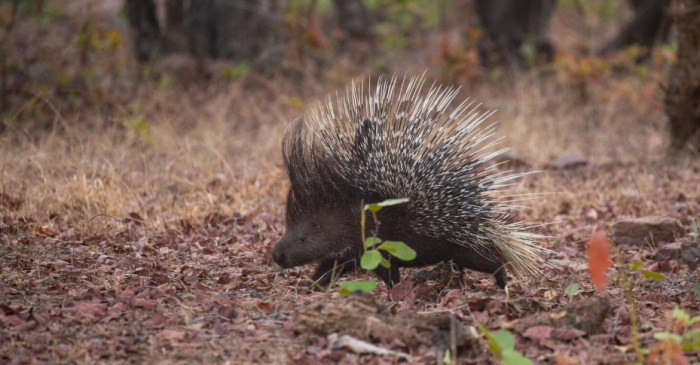
- Hedgehogs are mammals, not rodents. They belong to the family Erinaceidae and are distant from porcupines.
- Their spines are stiff hairs made from keratin, the same basic material found in human nails and hair.
- A hedgehog does not shoot its spines. The quills remain attached and are replaced gradually as old ones fall out.
- Strong muscles around the back pull the body into a tight ball. The spines point outward while the face, legs, and soft belly disappear inside.
- Eyesight is less important than smell and hearing during nighttime activity. The long snout is constantly testing the ground and air.
- Hedgehogs have five toes on most feet, although the four-toed African hedgehog lacks one toe on each back foot.
- They produce snuffles, clicks, squeals, hisses, and surprisingly loud mating noises.
- Close photos of pet hedgehogs show that spine color, facial masks, ears, and body size vary between individuals.
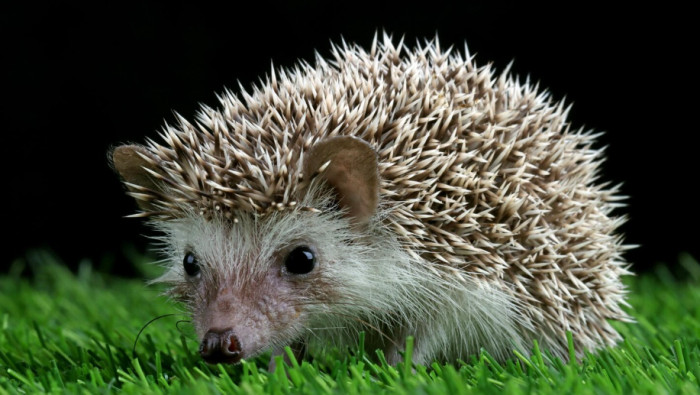
She started with the spines, then noticed they are stiff keratin hairs that get replaced gradually, not fired like little weapons.
What Hedgehogs Eat and Do at Night
- Wild hedgehogs eat beetles, caterpillars, worms, slugs, earwigs, eggs, carrion, and other available food.
- The label insectivore is useful but incomplete. Hedgehogs are opportunistic feeders rather than strict insect specialists.
- They can climb low obstacles, dig, squeeze through small gaps, and travel widely during a night of feeding.
- Hedgehogs can swim, although steep-sided ponds create drowning risks when there is no exit route.
- They usually live alone outside mating and early family life. Shared feeding areas do not necessarily mean a social group.
- Cow’s milk is unsafe because hedgehogs cannot digest lactose well. Water is the correct drink for a garden visitor.
- One of their strangest behaviors is self-anointing. After tasting a new odor, a hedgehog may produce foamy saliva and spread it across the spines.
- The animal can look almost staged when eating, bathing, or wearing a leaf. Galleries of hedgehog cuteness capture those moments without changing the biology.
Hibernation and Hedgehog Babies
- European hedgehogs hibernate when cold weather and scarce food make activity too costly. Tropical species may not follow the same pattern.
- During hibernation, body temperature, heart rate, and breathing fall sharply. The animal still wakes periodically.
- A hibernation nest, or hibernaculum, is built from dry leaves and grass in a sheltered location.
- Purpose-built shelters can provide an undisturbed nest site. One project created a hedgehog holiday park with protected sleeping spaces.
- Baby hedgehogs are called hoglets. They are born blind with soft white spines covered by swollen skin.
- The first spines emerge soon after birth and harden over time. Mothers raise the litter without a permanent male partner.
- Young hedgehogs look fragile, but they quickly develop the familiar shape. A collection of hedgehog images shows that change across ages.
Next came the night routine, because the same hedgehog that smelled everything first was also nosing through beetles, worms, and whatever else it could opportunistically grab.
This is similar to how foxes use sharp hearing for snow pounces and adapt from tundra to city streets.
That’s when the garden rules hit, since cow’s milk is unsafe for lactose digestion, but water is the right drink for a hedgehog just trying to survive the dark.
Hedgehogs, Gardens, and Lookalikes
- Foxes and badgers can prey on hedgehogs. Facts about foxes explain how both animals may use the same gardens after dark.
- Domestic cats usually investigate adult hedgehogs cautiously, although kittens and small hoglets remain more vulnerable.
- Gardens planted for butterflies can also support insects eaten by hedgehogs. A healthy garden food web benefits more than one species.
- Tenrecs can look remarkably similar to hedgehogs, but the resemblance evolved independently. They belong to a different mammal lineage.
- The lowland streaked tenrec even uses specialized quills to communicate. That feature appears in a profile of an animal with stripes and spines.
- Roads, fences, pesticide use, and habitat loss can fragment hedgehog territory. Small ground-level gaps between gardens improve movement.
- The classic image of a hedgehog carrying apples on its back is folklore. Spines evolved for defense, not fruit transport.
What These Facts Reveal
Hedgehog survival depends on connected ground. A single tidy garden may provide food, but solid fences can prevent access to mates, nesting sites, and seasonal feeding areas. Roads then become the only available route between isolated patches.
Wildlife-friendly management does not require turning every yard into unmanaged vegetation. Ground-level gaps, safe water exits, leaf piles in quiet corners, reduced pesticide use, and checks before mowing or burning can remove major hazards.
The animal remains wild, even when it becomes a familiar nighttime visitor. Access matters as much as food. Season also changes what a hedgehog needs.
Summer feeding routes, autumn weight gain, winter shelter, and spring nesting all depend on safe movement through the same local area. A blocked route in one season can affect survival months later.
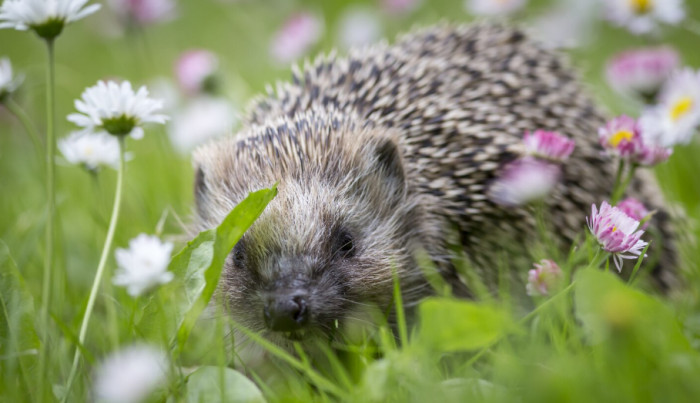
And when she finally caught the foamy “self-anointing” moment and started thinking about hibernation, the whole story felt like it was leading somewhere deeper.
Common Questions About Hedgehogs
Can hedgehogs shoot their spines?
No. Their spines remain attached like stiff hairs. The animal defends itself by raising them and rolling into a ball.
Do all hedgehogs hibernate?
No. Hibernation depends on species, climate, food supply, and health. European hedgehogs commonly hibernate in cold regions.
Can hedgehogs be pets?
Some domestically bred African pygmy hedgehogs are kept as pets where legal. Wild hedgehogs should not be removed from nature without expert guidance.
She went looking for a cute backyard hedgehog, and ended up with a whole spiky mystery clocking in every night.
Want another sharp-sense mammal? See how pigs “learn quickly” and build nests, too, in these smart, social pig facts.
Share this article: