Fun Facts About Foxes From Snow Pounces to City Streets

It started like a normal winter morning, until the driveway turned into a live-action hunting show. A fox slipped through the snow with those huge ears collecting faint rodent sounds, then paused, triangulated, and launched a steep pounce that locals swear looked like it was aiming at the exact spot under the grass.
At first, everyone treated it like a random visitor. But once it began vanishing headfirst into drifts, reappearing with that bushy tail curled tight like a blanket, and showing up again the next day, the whole neighborhood started paying attention. People noticed the coats were not always red, the tail tips could be white, and the “puppy” rumors got messy when two cubs were spotted and later turned out to be foxes.
Here’s the part that really hooks you, the same fox that hunts alone also leaves behind clues and sounds that make it impossible to ignore.
Fox Facts About Their Bodies and Senses
- Foxes belong to the dog family, Canidae. Their narrow faces and vertical pupils can look cat-like, but they are not cats.
- The red fox has one of the widest natural distributions of any land carnivore, living across much of the Northern Hemisphere.
- Large ears collect faint sounds made by rodents under grass or snow. A fox can pause, triangulate, and launch a steep hunting pounce.
- That jump is often called mousing. Photographers who follow foxes in snow may see the animal vanish headfirst into a drift.
- The bushy tail, or brush, supports balance, communication, and warmth. A resting fox can curl around it like a blanket.
- Foxes have whiskers on the face and front legs. Those hairs help them judge close objects and body movement in low light.
- Red fox coats are not always red. Black, silver, pale, and cross-color forms occur naturally.
- Close photos of red foxes resting together reveal white tail tips, dark legs, and individual coat differences.

The moment the fox mousing in the snow headfirst made its “where did it go?” routine obvious, everyone stopped calling it a lucky sighting.
How Foxes Hunt and Communicate
- Foxes are omnivores. Their menu can include rodents, rabbits, birds, insects, eggs, fruit, seeds, and discarded human food.
- A fox may cache extra food and return later. Good spatial memory makes those scattered stores useful.
- Most foxes hunt alone even when they share a territory or help raise young. Solitary hunting suits small, scattered prey.
- Scent marking carries information about territory and reproductive status. Urine, feces, and gland secretions all contribute.
- Foxes bark, whine, yelp, growl, and scream. The famous nighttime scream is usually social or reproductive communication, not an attack.
- Play remains important beyond early puppyhood. Foxes chase, pounce, steal objects, and practice hunting movements.
- A young fox entering a garden may investigate doors, toys, and people. One fox moved into a yard and gradually became a regular visitor.
- Fox cubs are sometimes mistaken for puppies. A rescuer who found two supposed stray puppies later learned they were foxes.
Different Fox Species and Adaptations
- The fennec fox has oversized ears that release heat and detect prey moving beneath desert sand.
- Arctic foxes grow dense coats and compact bodies that reduce heat loss. Many change from brown or gray summer fur to white winter fur.
- Gray foxes can climb trees using curved claws and rotating ankles. That ability is unusual among canids.
- Island foxes evolved smaller bodies on California’s Channel Islands. Each island population has its own history and conservation needs.
- Fox dens are especially important for raising cubs. Adults spend much of the rest of the year resting above ground or in simple shelters.
- Cubs are born blind and helpless. Both parents may contribute food, depending on species and social structure.
- Urban foxes can use rail lines, gardens, alleys, and quiet roads as travel corridors. A fox spotted on a bus shows how close those routes can come to people.
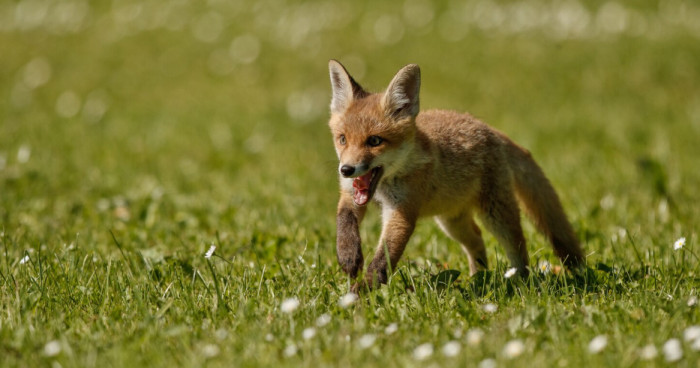
Then the same fox started checking doors, toys, and people in that yard like it was testing the place, not just passing through.
Fox ears can hear rodents under snow, which is the same kind of “wait, how is that even possible?” biology behind these 30 cat facts about strangest habits.
After that, the story got louder, because the nightly bark, whine, yelp, growl, and that famous scream turned out to be communication, not an attack.
Foxes Around People and Other Animals
- Foxes and coyotes overlap in parts of North America, but coyotes are larger and may kill or displace foxes.
- Foxes share deeper ancestry with dogs than with cats, although their hunting posture often looks feline.
- A garden used by hedgehogs may also attract foxes. The two can cross paths at night, with risk depending on size and circumstances.
- Healthy wild foxes usually avoid direct contact with people. Feeding can reduce that caution and create conflict.
- Foxes are difficult pets. Scent marking, digging, prey drive, specialized diets, and legal restrictions make domestic life unsuitable in most homes.
- A fox can swim when needed. Water is not a major barrier for an animal crossing a small river, marsh, or flooded area.
- The clever-fox reputation is partly earned. Flexibility, memory, patience, and careful observation are practical survival tools.
What These Facts Reveal
Fox success comes from flexibility rather than dominance. They are small enough to survive on insects and fruit, skilled enough to catch mammals and birds, and cautious enough to use spaces shared with larger predators and people.
That balance works until reliable human food changes their behavior. An urban fox is still a wild animal. Secure waste, avoid deliberate feeding, protect small pets, and allow the fox a clear escape route.
Close observation can reveal complex behavior without turning the animal into a neighborhood pet or a problem that has learned to approach doors. Boundaries protect the fox too.

And when those two supposed stray puppies were actually fox cubs, the whole neighborhood had to rethink what they were seeing in plain sight.
Common Questions About Foxes
Are foxes cats or dogs?
Foxes are canids, members of the dog family. Their pupils, quiet movement, and hunting style create some cat-like similarities.
Are foxes dangerous to people?
Healthy foxes usually avoid adults. Risk rises when an animal is cornered, sick, habituated to food, or defending itself.
Why do foxes scream at night?
The sound is usually communication linked to territory, contact, or breeding. It can sound alarming because it carries over long distances.
By the time the fox curls up like a blanket and caches food for later, you realize the neighborhood has been sharing space with a full-time hunter.
Foxes track faint sounds to hunt, and dogs do the same with scent and routines in these 30 dog facts about remarkable abilities.
Share this article: