
Lamb vs Sheep vs Goat: What Is the Difference?

It started with a tiny, abandoned lamb named Wally, the kind of story that makes you slow down and stare at the “cute” part while everyone else argues about the “technical” part.
On one side, you’ve got people tossing around words like lamb, sheep, and goat like they’re interchangeable, because the menu says so. On the other, the farm-record language refuses to play along, splitting terms by species and age, calling female sheep ewes, female goats does, and the babies kids or lambs depending on what they actually are.
So the real drama is not the animal at all, it’s the labels, and Wally is the perfect excuse to untangle them.
The Basic Difference
- Sheep are domesticated ruminants in the species Ovis aries.
- A lamb is a sheep under roughly one year of age in common agricultural usage.
- Goats are domesticated ruminants in the species Capra hircus.
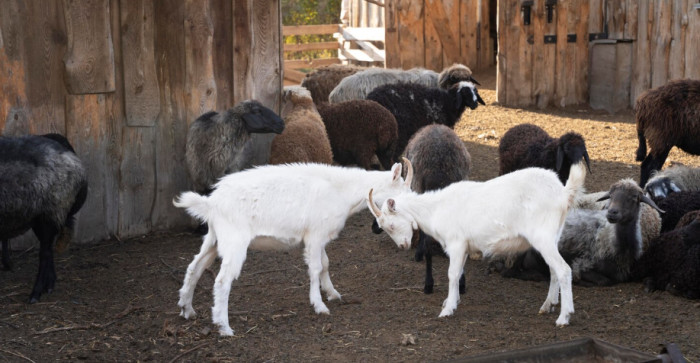
The University of Florida's small-ruminant terminology table separates the terms cleanly: female goats are does, female sheep are ewes, goat offspring are kids, and sheep offspring are lambs.
Simple. Until a menu gets involved.
What Is a Lamb?
A lamb is a young sheep. The word can describe the live animal and the meat from a young sheep.
Female lambs may be called ewe lambs. Male lambs may be called ram lambs. As they mature, females become ewes and intact males become rams. A castrated male sheep is a wether.
The exact age at which trade or meat terminology changes can depend on local standards. For general animal identification, “young sheep” is accurate.
A tiny abandoned lamb named Wally is still a sheep, even though its age and vulnerability are the focus of the story.
What Is a Sheep?
Sheep is the general name for the domesticated species. It applies to the animal regardless of sex, though producers use more precise terms when age, breeding, or management matters. Common sheep terms include:
- Ewe: adult female
- Ram: adult intact male
- Wether: castrated male
- Lamb: young sheep
- Flock: group of sheep
- Lambing: giving birth
- Mutton: meat from a mature sheep
The University of Nebraska animal-care guide provides comparable terminology for sheep and goats and is useful when reading farm records or veterinary advice.
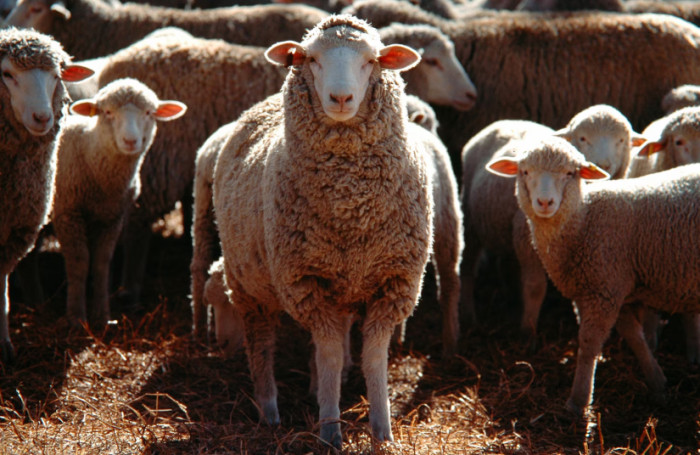
That’s when the conversation drifts from Wally’s tiny size to whether “young sheep” counts as a lamb in the first place.
What Is a Goat?
A goat is not a type of sheep. Goats belong to a different genus and have different feeding behavior, body language, coat types, and management tendencies. Common goat terms include:
- Doe or nanny: adult female
- Buck or billy: adult intact male
- Wether: castrated male
- Kid: young goat
- Herd: group of goats
- Kidding: giving birth
- Chevon: goat meat
- Cabrito: meat from a young goat in some culinary usage
A golden retriever caring for baby goats may copy parts of their routine, but it remains a goat with goat social and dietary needs.
Lamb vs Goat
A lamb is young. A goat may be young or adult. The fair animal comparison is therefore lamb vs kid or sheep vs goat.
Lambs often have wool or a hair coat depending on breed, a hanging tail, and a strong tendency to stay with the flock. Goat kids usually carry their tails upward, climb readily, and explore objects with greater visible independence.
Both need appropriate milk, gradual weaning, secure shelter, companions, and veterinary care. Orphaned young animals require species-specific feeding advice. Improvised milk mixtures can cause serious problems.
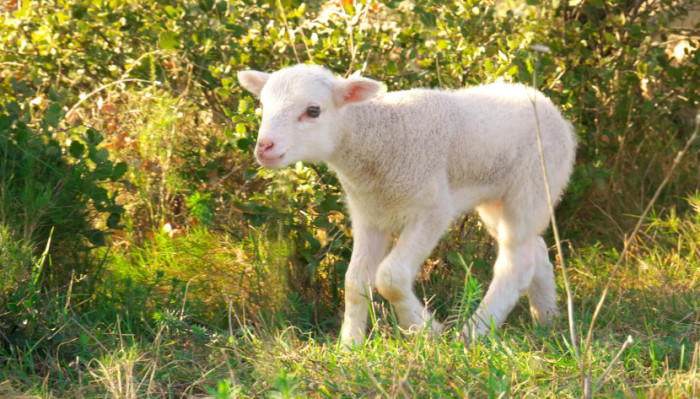
Then someone brings up the age switch, like, “Okay, but when does ewe lamb become an actual ewe?”
Sheep vs Goat Appearance
Sheep often have broader bodies and woolly coats, though hair sheep challenge the stereotype. Goats tend to have narrower faces and more angular bodies.
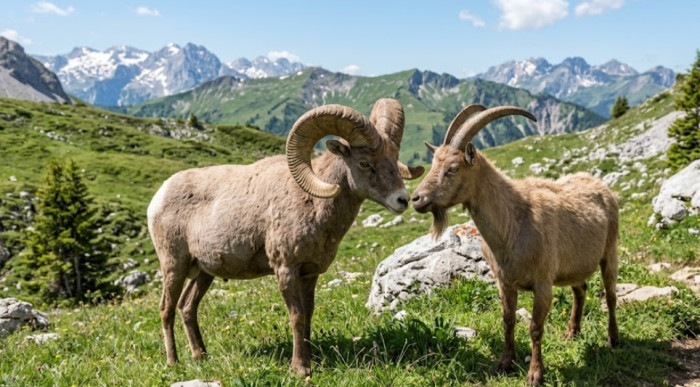
Horns do not settle the question. Both sheep and goats may have horns. Both can also be naturally polled.
The tail is often the fastest clue: sheep tails hang down, while goat tails are commonly carried up. Docking can make sheep tails less visible, so use several features rather than one.
For a full management comparison, see sheep vs goat.
If you’re building a full barnyard cheat sheet, this Farm Animals List With Names, Pictures, and Short Facts stacks the species side by side.
Ram vs Goat
A ram is an adult intact male sheep. It is not a separate species and not a goat.
An adult intact male goat is a buck. Both rams and bucks can become dangerous, especially during breeding season. Hand-raising a male does not guarantee safe adult behavior. In some cases it removes the natural caution that keeps distance between animal and person.
Never turn your back on an unfamiliar breeding male.
Ewe vs Doe
A ewe is an adult female sheep. A doe is an adult female goat.
Both may produce milk for offspring or dairy use. Their gestation, nutrition, udder care, and birthing management require species-specific planning. The processes are called lambing in sheep and kidding in goats.
Kid vs Lamb
A kid is a young goat. A lamb is a young sheep.
Both are active, social, and vulnerable to weather, predators, nutrition mistakes, and disease. Goat kids often climb and jump on raised objects. Lambs tend to stay close to their mothers and flock mates.
Pupperish's story about a lamb seeking comfort from a dog is touching because normal maternal care was missing. Cross-species friendship can help, but it does not replace species-appropriate feeding and health care. A sheep rescued from an enormous overgrown fleece also shows how quickly routine care can become a welfare emergency.
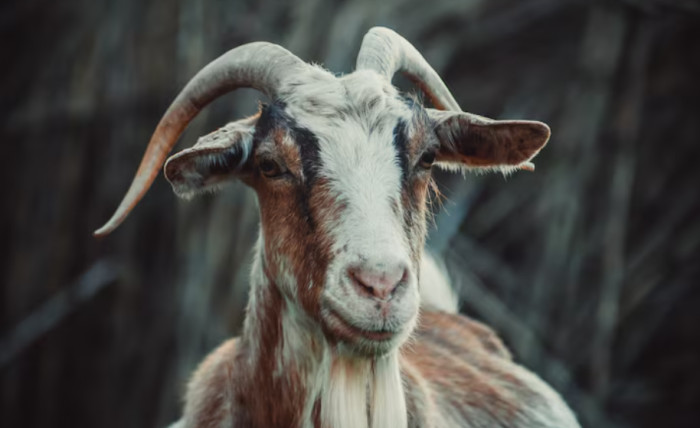
Right after that, the whole thing gets messy, because goats show up with their own baby names, kids, and their own adults, does and bucks.
Lamb, Mutton, and Goat Meat
Lamb is meat from a young sheep. Mutton is meat from a mature sheep. Goat meat may be called goat, chevon, or cabrito depending on age, region, and culinary tradition.
Flavor changes with age, breed, diet, fat, processing, and preparation. “Goat tastes like lamb” is too simple. Goat meat is generally leaner, while lamb often carries more external and intramuscular fat, but the actual dish depends heavily on the cut and cooking method.
Can Sheep and Goats Live Together?
They can share pasture and shelter in some systems, but mixed management creates risks. Sheep are more sensitive to copper toxicity, so goat minerals may be unsafe for them. Fencing, parasite exposure, horned-animal feeding spaces, and bullying also need attention.
A mixed group still needs enough members of each species to meet social needs. One goat placed with sheep may not receive normal goat interaction.
The broader context is covered in types of farm animals and farm animals list.
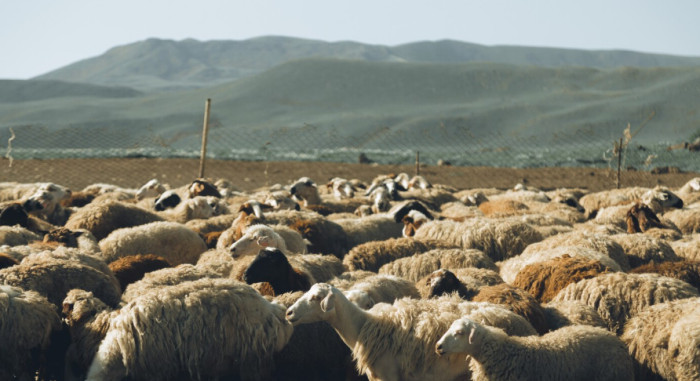
By the time the group is done naming offspring, even the words for meat, mutton and chevon, sound like they belong to different worlds.
Why Their Eyes Look Similar
Sheep and goats both have horizontally elongated pupils and side-positioned eyes. This supports a wide view of the ground and surroundings while grazing or browsing.
The similarity is strong enough to create another search question, but the eyes are not an easy species-identification tool. See sheep eyes vs goat eyes for the details.
Fast Identification Guide
Ask these questions in order:
- Is it clearly a young animal? If it is a young sheep, it is a lamb. If it is a young goat, it is a kid.
- Is the tail carried up? That suggests goat.
- Is the coat wool, hair, cashmere, or mohair?
- Does the animal browse upward or graze close to the ground?
- Is it moving tightly with a flock or exploring more independently?
No single clue is perfect.
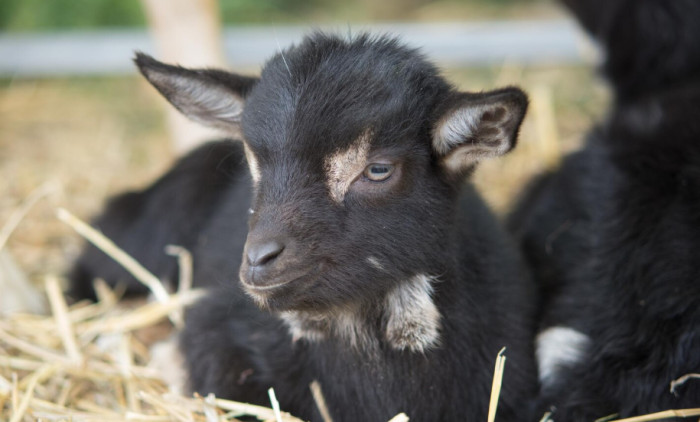
The One-Sentence Answer
A lamb is a young sheep, a sheep is the adult species category, and a goat is a separate domesticated species.
That is the core distinction. Everything else, from wool to meat names, builds on it.
Wally may be a lamb, but your menu is about to learn the difference the hard way.
Want the real showdown between flock-grazing sheep and curious, browsing goats? Read Sheep vs Goat: Key Differences in Appearance, Behavior, and Care.
Share this article:





