
Sheep vs Goat: Key Differences in Appearance, Behavior, and Care

It started with a family who thought “sheep and goats” were basically the same farm animal, until they tried to swap one for the other and nothing behaved the way they expected. The wool coats looked similar at a glance, the barn layout was already built, and everyone figured the feeding plan would be close enough.
Then the complications showed up fast. The sheep kept to the grass, staying tight with the flock, while the goats turned the whole place into an obstacle course, browsing leaves and twigs and climbing anything they could reach. Even the tail positions and the different lip shapes made it obvious they were dealing with two totally different vibes, not just a different haircut.
And once you notice the chromosome difference, the “are they basically the same?” question stops being cute.
Sheep and Goats Are Different Species
Domestic sheep and domestic goats belong to different genera. They can share some diseases and management systems, but their genetics and behavior differ. The University of Georgia's small-ruminant comparison notes that goats have 60 chromosomes while sheep have 54.
That matters because a goat is not a sheep without wool. Even their rare hybrids are exceptional and generally not a practical breeding goal.
Quick Sheep vs Goat Comparison
Breed and individual personality can blur any simple rule.

That swap went sideways the moment the sheep ignored the shrubs the goats were happily tearing into.</p>
Appearance
Many sheep have wool, though hair sheep grow coats that shed. Goats have hair, with specialized fiber breeds producing cashmere or mohair.
Sheep often have a heavier, rounder body and a divided upper lip with a pronounced philtrum. Goats tend to look narrower and more angular. Goat tails are commonly held upward, while sheep tails hang downward unless docked.
Horns are not a reliable shortcut. Both species can be horned or naturally polled depending on breed and sex.
Grazing vs Browsing
Sheep usually prefer grasses and low plants. Goats readily browse leaves, shrubs, twigs, weeds, and woody growth, often feeding above ground level.
This makes goats useful on brushy land and sheep useful on grass-dominant pasture. It also means goats may damage trees, gardens, and landscaping that sheep ignore.
A mixed pasture can benefit from both feeding styles, but it needs careful stocking and parasite planning.
Behavior and Flocking
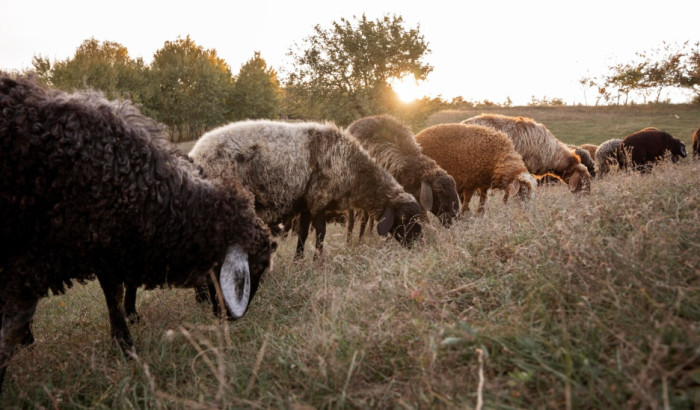
Sheep tend to maintain tighter flock cohesion, especially when alarmed. Goats are social but often spread out more and explore vertically. They climb, stand on objects, reach over fences, and investigate latches.
That curiosity is part of their charm. Pupperish's collection of ridiculously cute baby goats also shows how active kids can be.
Sheep can appear quiet, but they communicate through posture, vocalization, spacing, and flock movement. A lost sheep following a runner makes sense when flock security has disappeared.
Intelligence
Both sheep and goats can learn routines, recognize individuals, solve simple problems, and remember handling experiences. Goats often display their problem-solving more visibly because they manipulate objects and investigate barriers.
Sheep intelligence is easy to underestimate because flocking behavior can look passive. A sheep choosing group safety is not failing a test. It is using a different strategy.
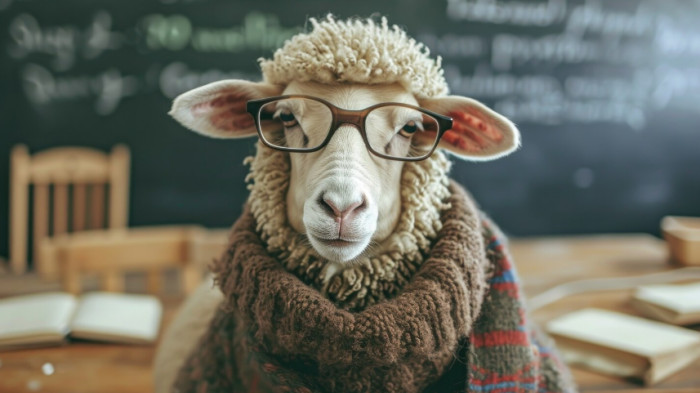
Meanwhile, the flock stayed snug and vocal, while the goats spread out, investigated latches, and tested every fence like it was a game.</p>
Fencing
Goats require serious fencing. They push under, climb, lean, and use horns against gaps. Electric fencing can work when designed and trained correctly, but weak gates remain an invitation.
Sheep can also escape, especially small or horned breeds, but they are often easier to contain with well-maintained mesh fencing or electric netting.
Predator protection is essential for both. A story about a sheepdog defending its flock shows why guardian systems exist, though no single dog replaces secure facilities.
Small-space planning for hobby farms is like trying to keep miniature animals, then realizing you still need full care.
Shelter and Weather
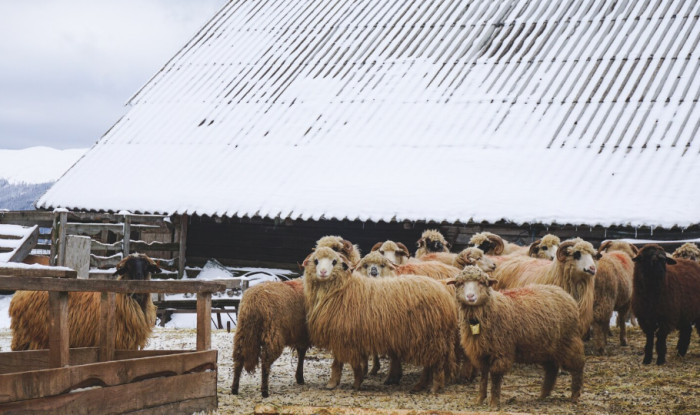
Sheep with dense wool may handle cold weather well when dry, but wet fleece and wind create risk. Goats generally dislike prolonged rain and need dry shelter.
Both require shade, clean bedding, ventilation, and enough space to avoid crowding. Horned animals need feeders and gates that reduce entrapment.
Hoof Care
Both sheep and goats need regular hoof inspection and trimming, with frequency depending on ground, breed, climate, and growth. Wet conditions can increase hoof problems.
Lameness should never be accepted as normal. It reduces feeding, movement, breeding, and welfare.
Parasites
Internal parasites can be a major problem for both species, especially in warm, humid regions and on heavily stocked pasture. Management may include pasture rotation, fecal testing, selective treatment, and breeding for resilience.
Drug resistance makes routine blanket deworming a poor long-term strategy. Work with a veterinarian or extension specialist.
The North Carolina State University small-farm guide treats parasite control, infrastructure, and marketing as central planning issues for both species.
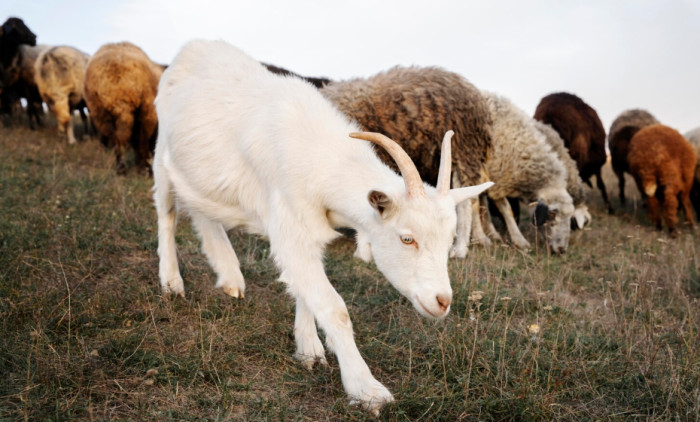
The real shock was how the grazing-versus-browsing split turned the pasture into two different feeding zones, with different damage risks.</p>
Minerals and Feeding
Sheep are more sensitive to copper toxicity than goats. Feeding goat mineral or goat ration to sheep can cause serious problems. Mixed herds need species-specific feeding systems.
Both are ruminants and should receive forage-based diets appropriate to age, production, and health. Sudden grain increases can disrupt digestion.
Products and Farm Roles
Sheep may provide:
- Lamb or mutton
- Wool or hair
- Milk
- Breeding stock
- Grazing and vegetation management
- Goats may provide:
- Milk
- Chevon or cabrito
- Cashmere or mohair
- Breeding stock
- Brush control
The right animal depends on land and purpose, not reputation.
Sheep vs Goat Milk
Goat milk is more widely associated with small dairies in the United States, but dairy sheep produce rich milk valued for cheese. Both require clean milking systems, breeding schedules, udder health monitoring, and a market or household use.
Milk production turns a hobby into a timetable.
By the time the tails, body shapes, and “who holds what where” started matching the species traits, the family finally understood the mix-up wasn’t minor.</p>
Sheep vs Goat for Beginners
Hair sheep may be easier where shearing services are scarce. Goats may suit brushy land but demand stronger fencing. Both require companionship, hoof care, parasite management, shelter, and veterinary support.
See best farm animals for beginners before deciding. A playful goat raised by foster dogs is memorable, but normal goat companionship is still important.
Sheep, Lamb, Goat, Ram, and Kid
A lamb is a young sheep. A kid is a young goat. An adult female sheep is a ewe, and an adult male is a ram. An adult female goat is a doe, and an adult male is a buck.
For the terminology problem, see lamb vs sheep vs goat. For the unusual pupils both species share, see sheep eyes vs goat eyes.
Which Is Better?
Choose sheep when the land is grassy, tight flocking is useful, and wool, hair, meat, or dairy sheep fit the farm. Choose goats when browse is abundant and milk, meat, fiber, or brush control justifies the stronger fencing.
Use types of farm animals to place both within the broader farm plan.
Neither is better in isolation. The better species is the one whose natural behavior works with the property instead of fighting it every day.
The family dinner did not end well, because the farm plan was built for sheep and the goats showed up to improvise.
Want more “wait, what?” livestock ideas beyond sheep and goats, like yaks? Check out these unusual exotic livestock you can raise.
Share this article:





