
Best Backyard Farm Animals for Small Properties

A 28-year-old backyard dreamer thought a “small farm” would mean a quiet coop, a few eggs, and zero drama. Then the city website hit, the HOA president chimed in, and suddenly the property line felt like a courtroom.
In one neighborhood, hens are allowed but roosters are banned. In another, the number of birds is capped, manure storage is regulated, and livestock in residential zones comes with permits you have to request before you build anything. Meanwhile, the person is staring at a yard that is already small, already landscaped, and already one bad predator visit away from disaster.
So before anyone buys a coop, the real question becomes: what animals can survive your rules and your space, not just your wish list?
Check Local Rules Before Choosing an Animal
Some cities allow hens but ban roosters. Others limit animal numbers, require minimum lot sizes, regulate manure storage, or prohibit livestock in residential zones.
Rutgers Cooperative Extension's domestic livestock guidelines illustrate how animal numbers and management can be tied to residential rules and humane-care standards. The exact requirements differ by location, so check municipal code, zoning, homeowners' association rules, and permit requirements directly.
Do this first. A coop is easier to redesign before it contains birds.
Chickens
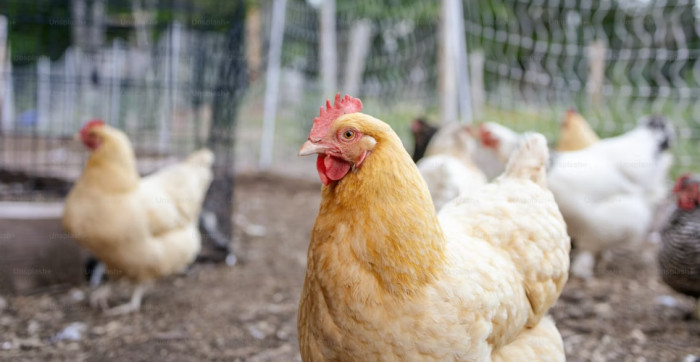
Hens are the default backyard livestock for good reason. They can live in a secure coop and run, produce eggs, eat some insects, and provide manure for composting after proper handling.
Their main challenges are predators, rodents, noise, flies, bedding, and winter or summer extremes. Free-ranging in a small yard can also strip vegetation and spread droppings across patios faster than expected.
Roosters are louder and may be prohibited. A flock does not need a rooster to produce eggs.
Best fit: households that want eggs and can clean a coop consistently.
Coturnix Quail
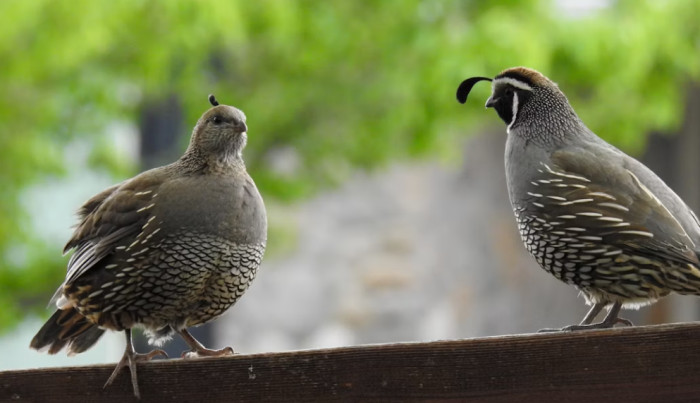
Coturnix quail use less space than chickens and are often kept in secure enclosed systems. Their eggs are small, and their calls may be less disruptive than a rooster's crow.
They still create dust, droppings, feed waste, and predator interest. Their housing must prevent escapes and head injuries. A tiny bird can find a tiny design flaw.
Best fit: very limited properties where local rules permit quail.
Ducks
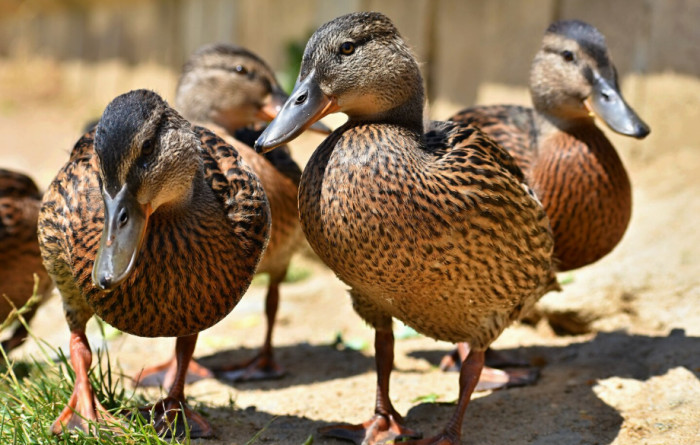
Ducks are social, productive, and entertaining, but they are not dry animals. They need clean drinking water deep enough to submerge their bills, and they splash it into bedding and soil.
Good drainage is essential. Without it, a small duck area becomes mud, odor, and flies. A secure nighttime shelter is also necessary because many domestic ducks have limited ability to escape predators.
The crested ducks with dramatic head feathers look made for a backyard photo. Their wet housing needs are less visible.
Best fit: properties with space for drainage and owners willing to manage water daily.
Rabbits
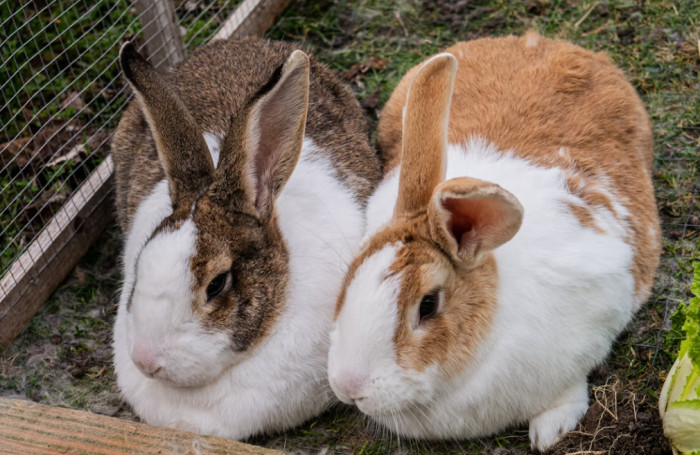
Rabbits are quiet and compact. They can provide manure, fiber, breeding stock, show animals, or meat depending on the household's goals.
They are sensitive to heat, need excellent airflow and shade, and require secure housing against dogs, raccoons, snakes, and other predators. Their hutches or colonies must stay clean and dry. Social arrangements also need care because not every rabbit pairing is safe.
Best fit: shaded yards with protected, well-ventilated housing.
Bees
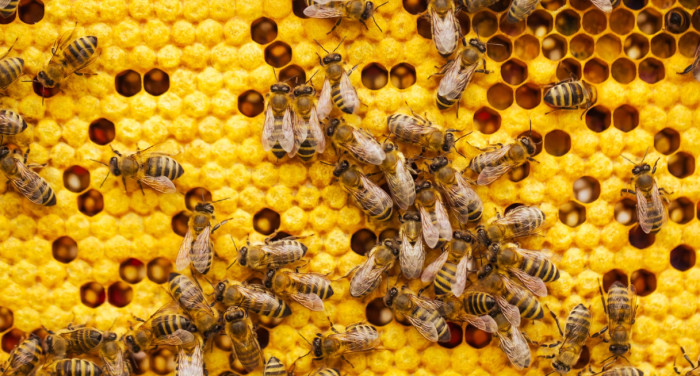
A beehive takes little ground space and can support pollination. It also creates a flight path, swarm risk, and responsibility to nearby people.
Check local apiary rules, property setbacks, water access, and allergy concerns. New beekeepers need training in colony inspection, mite control, seasonal feeding, and swarm management.
A garden already attractive to pollinators helps. Pupperish's close-up look at bumblebees in gardens shows the appeal, though managed honey bees require a different level of responsibility.
Best fit: planted properties with informed neighbors and trained keepers.
Pigeons
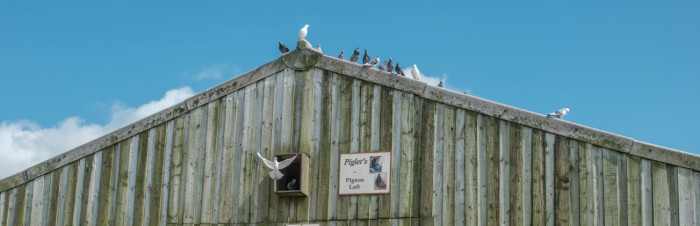
Domestic pigeons can be raised for sport, exhibition, breeding, meat, or companionship. A well-designed loft can use vertical space efficiently.
The key issues are sanitation, feed storage, ventilation, escape management, and neighbor perception. Droppings on adjacent roofs will erase goodwill quickly.
Best fit: owners willing to maintain a clean loft and manage flying carefully.
Small Goats
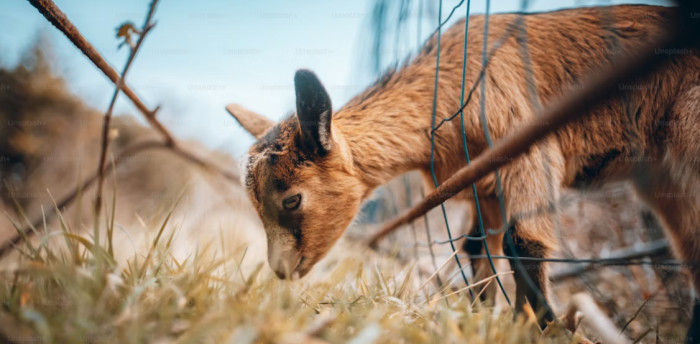
Nigerian Dwarf and Pygmy goats are often suggested as backyard animals. In many residential yards, they are a bad fit.
Goats need at least one compatible goat companion, strong fencing, dry shelter, hoof care, parasite management, browse or forage, and more space than a decorative enclosure provides. They can also be vocal and destructive to landscaping.
A small goat is still a goat.
Best fit: larger semi-rural lots where zoning, fencing, and group needs are fully addressed.
Miniature Donkeys and Sheep
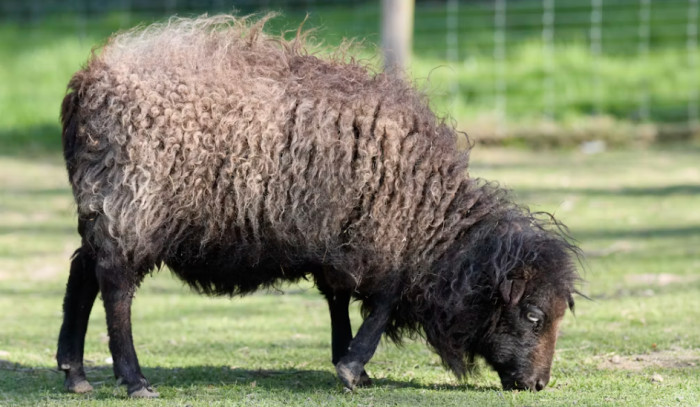
Miniature donkeys and small sheep breeds may work on small acreages, but they usually exceed what an ordinary suburban backyard can support. Both need companions, forage planning, shelter, hoof care, manure management, and secure fencing.
The University of New Hampshire's discussion of animals and land on a backyard homestead highlights the need to support both livestock and the ground beneath them. Overgrazed mud is not a sustainable small farm.
Compare miniature farm animals before assuming a smaller breed solves the land problem.
That’s when the “simple coop” plan got complicated, because hens might be fine but roosters could get you in trouble fast.
Miniatures can still be a lot of work, just like planning for the exact space and care needs in these miniature farm animals.
Next came the realization that even if chickens are allowed, predators, rodents, noise, flies, and winter extremes can turn a tiny run into a daily chore.
Then the quail idea popped up, only to run into the fact that local rules and secure housing matter, since tiny birds escape through tiny design flaws.
Animals Usually Unsuitable for Small Backyards
Cattle, full-sized horses, pigs, geese, intact male goats, and exotic livestock can create major space, noise, strength, fencing, and waste challenges. Some individuals may be kept responsibly on larger rural properties, but that is different from a typical yard.
Pigs deserve special caution. They are smart, social, and strong, and they can turn soil quickly. Geese may be excellent alerts but can be loud and territorial. Cattle need herd company and substantial infrastructure.
If the appeal is variety, unique farm animals should be treated as research, not a shopping list.
And when ducks entered the chat, the yard math changed again, because their deep-bill water, splashy bedding, and drainage needs can wreck a small property overnight.
Plan for Manure, Mud, and Feed
Every backyard livestock system needs a waste plan. Manure and wet bedding must be removed, composted, stored, or disposed of without contaminating water or irritating neighbors.
Feed should be kept in rodent-resistant containers. Standing water should be minimized. Paths and gates need surfaces that remain usable after rain.
A farm cat guarding watermelons makes a pleasant image. Real yards also attract rodents, wildlife, and loose pets once feed appears.
Protect Livestock From Predators
Backyard animals can face raccoons, foxes, coyotes, hawks, snakes, rats, and neighborhood dogs. Chicken wire keeps chickens in. It is not enough to keep determined predators out.
Use hardware cloth where appropriate, bury or secure vulnerable edges, lock doors with raccoon-resistant latches, and inspect housing regularly. A backyard bird photo booth may attract harmless visitors, but feed and poultry can attract less welcome ones.
Match the Animal to the Actual Yard
Use types of farm animals to clarify purpose and best farm animals for beginners to compare management difficulty. A farm animals list can show options, but the final decision should be based on law, mature size, social needs, noise, waste, drainage, and daily care.
A small property can support responsible animal keeping. It cannot make unsuitable livestock suitable through optimism.
The best backyard farm animals are the ones that fit your yard and your rules, before your neighbors do the counting for you.
Ready for a simpler start? See which farm animals for beginners fit your space and schedule, like the ones in this beginner-friendly livestock guide.
Share this article:





