Best Farm Animals for Beginners: Easiest Livestock to Raise

It started with a simple “how hard can it be?” plan, and then the real farm math showed up. You pick an animal, you picture a cute little corner of the property, and you assume the hard part is buying feed. Then you learn it is daily routines, predator-proofing, ventilation, manure plans, and the boring stuff that decides whether your flock survives the week.
In this story, a beginner is trying to build a farm that actually works, not just one that looks good in photos. They have to juggle facilities, health, biosecurity, handling, and whatever rules their area has for birds like coturnix quail. And even the “easy” options come with catches, like chickens needing constant attention and ducks turning into enthusiastic, messy chaos.
So here is the real question, which beginner-friendly animals fit your life before they start running it.
What Makes a Farm Animal Beginner-Friendly?
Beginner-friendly livestock usually has manageable housing needs, readily available feed, accessible veterinary care, predictable behavior, and a mature size the owner can handle safely. The animal should also fit the purpose of the farm.
Iowa State University's Livestock Project for beginning small farmers starts with planning rather than a universal species ranking. That is the right order. New keepers need to consider facilities, health, biosecurity, handling, and local resources before animals arrive.
No animal is genuinely low maintenance. Some are simply lower risk for a particular owner.
1. Chickens
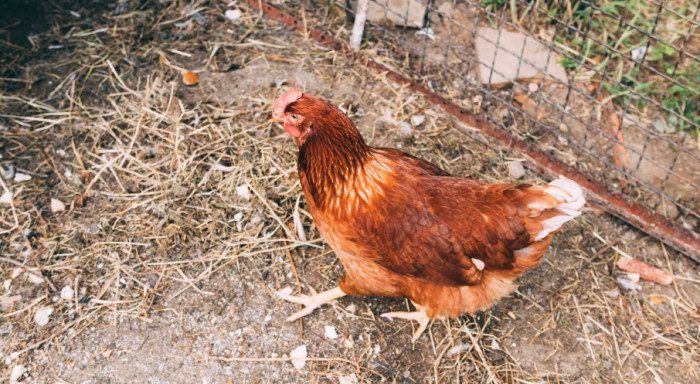
Chickens are a common first choice because housing systems, feed, equipment, veterinary information, and experienced keepers are widely available. A small laying flock can provide eggs without requiring large acreage.
The catches are real. Chickens need daily food and water, predator-proof housing, ventilation, manure management, and a plan for illness, heat, cold, and aging hens. Roosters may be restricted or unwanted because of noise.
A secure coop matters more than decorative details. Some creative chicken coops are impressive, but a simple dry structure with solid locks is more useful than a photogenic weak point.
Best for: eggs, small properties, and owners comfortable with daily routines.
2. Coturnix Quail
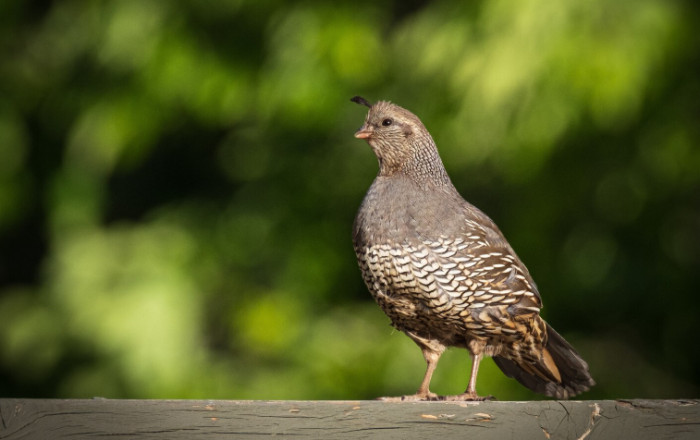
Coturnix quail mature quickly, need less space than chickens, and can provide eggs or meat. They are often kept in secure pens rather than free-ranging because they can fly and are vulnerable to predators.
Their smaller size helps, but it creates its own problems. Waterers must be safe, housing must prevent head injuries, and the birds can be messy and easily stressed. Local rules may classify them differently from chickens.
Best for: limited space and owners willing to manage enclosed housing carefully.
3. Ducks
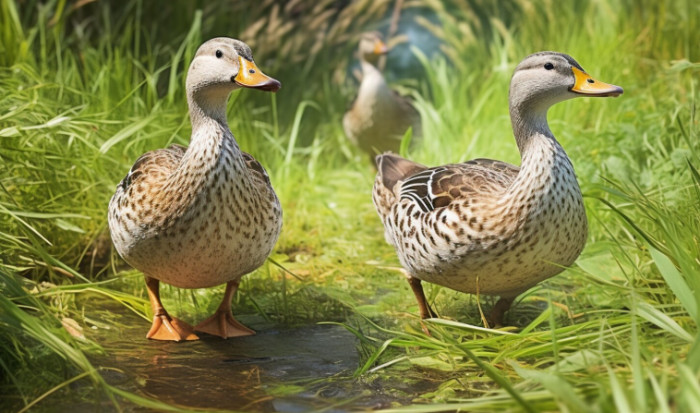
Ducks can be hardy, productive egg layers and enthusiastic insect hunters. Many keepers find them socially engaging. They also turn clean water into mud with remarkable speed.
They need drinking water deep enough to clean their bills and nostrils, dry nighttime shelter, predator protection, and drainage that can handle splashing. Their eggs and care needs differ from chickens, so compare duck eggs vs chicken eggs before deciding that one bird is simply a wetter chicken.
Best for: damp climates, slug control, eggs, and owners who can manage water and mud.
4. Rabbits
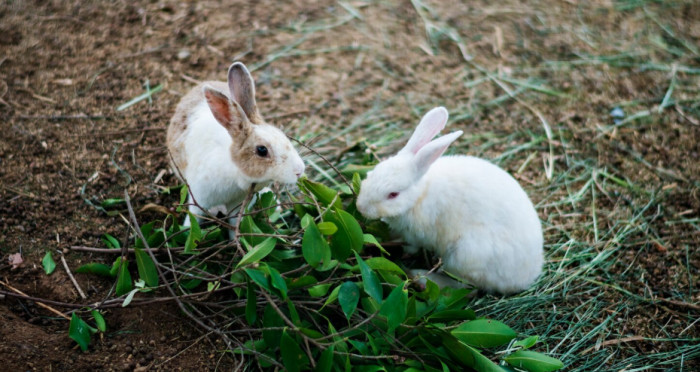
Rabbits are quiet, compact, and efficient users of space. Farm rabbits may be kept for meat, fiber, manure, breeding, or show.
Heat is the major blind spot. Rabbits need shade, airflow, constant clean water, protection from predators, and hygienic housing. They also need careful handling because their backs can be injured. Angora rabbits add substantial grooming work.
Best for: quiet operations with good heat management and protected housing.
5. Sheep
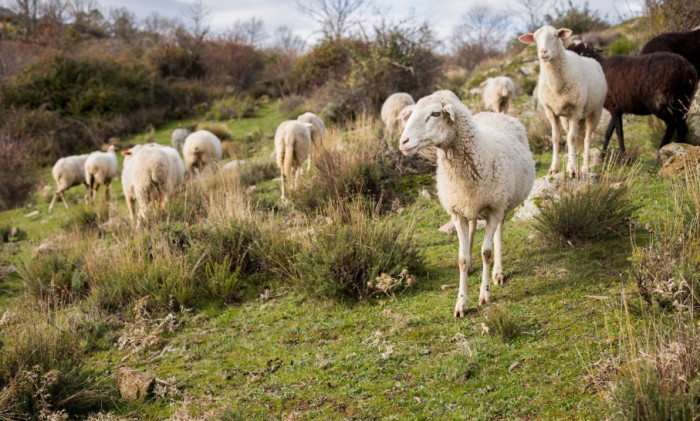
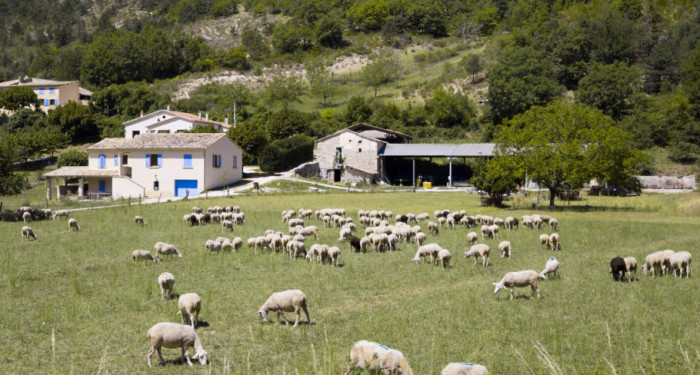
A small flock of suitable sheep can work on modest acreage. Hair sheep avoid routine shearing, which removes one major task for beginners. Sheep generally prefer flock company and can be calmer than goats when facilities are designed well.
They still require parasite control, hoof care, predator protection, strong fencing, and access to appropriate mineral supplements. Copper needs differ between sheep and goats, so shared feeding can become dangerous.
A shepherd's bond with a flock looks simple from a distance. The unseen part is regular observation and fast response when one animal stops eating or separates from the group.
Best for: grazing systems, meat, wool or hair breeds, and owners ready to learn flock health.
6. Goats
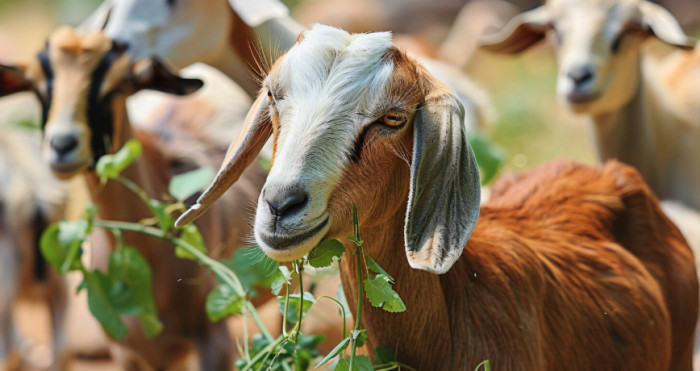
Goats are intelligent, social browsers that can produce milk, meat, fiber, or brush-control services. They are also expert testers of gates, latches, fences, and human patience.
Dairy goats require milking schedules and breeding plans. All goats need companionship, dry shelter, hoof trimming, parasite management, and fencing designed for goats rather than hoped to be adequate.
The decision between goats and sheep deserves a direct comparison. See sheep vs goat before choosing based on appearance.
Best for: brushy land and owners who enjoy active, interactive animals and maintenance.
7. Bees
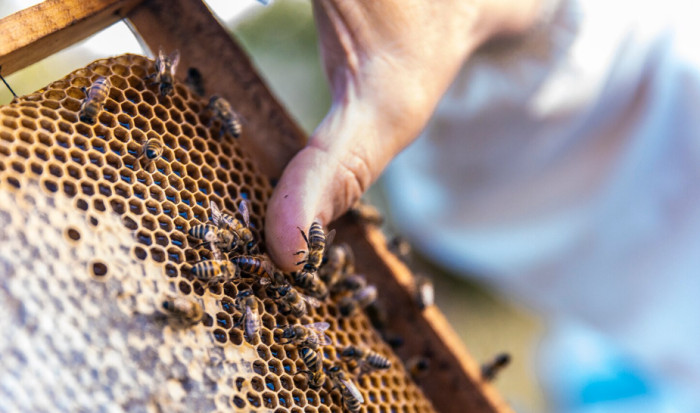
Honey bees use little ground space and can support pollination while producing honey and wax. They are livestock that do not require a barn, but they are not hands-off.
A beginner needs local training, protective equipment, legal placement, swarm plans, seasonal inspections, and disease control. Nearby allergies and property boundaries also matter. Colonies can fail even when the beekeeper has done many things correctly.
Best for: plant-focused properties and owners comfortable with detailed seasonal management.
8. Miniature Donkeys, With Conditions
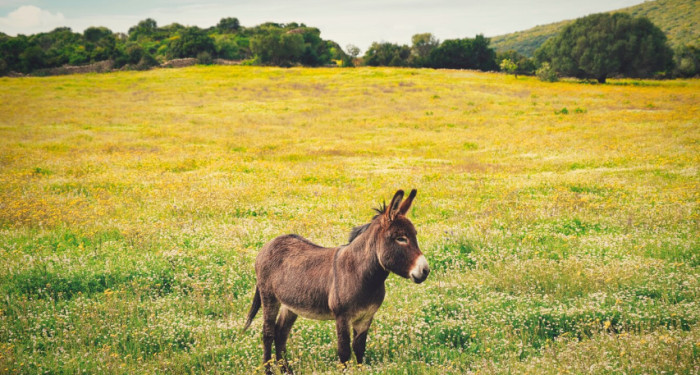
Miniature donkeys are appealing, social, and smaller than standard equines. They still need equine fencing, hoof care, dental care, shelter, controlled nutrition, and at least one compatible companion.
They are not pasture ornaments. The problem with marketing any equine as easy is that its veterinary and farrier needs remain specialized. The farmhouse full of unexpected cats is a useful reminder that animals arriving with a property can change the workload quickly. With donkeys, that commitment can last decades.
Best for: owners with equine support, suitable dry ground, and a long-term plan.
When the beginner realizes chickens demand daily food, water, and predator-proof coop locks, the whole “simple first step” idea gets a reality check.
This beginner planning approach lines up with the guide that breaks down dairy cattle, working donkeys, and what each is raised for.
That is when the plan shifts toward coturnix quail, because fewer square feet sounds easier until you remember they can fly, stress easily, and need safe waterers.
Next comes ducks, and suddenly the “hardy and productive” part collides with the fact that they are also nonstop insect hunters and messy egg layers.
By the time the beginner compares all three, the farm finally stops feeling like a cute hobby and starts feeling like a checklist they have to actually keep up with.
Farm Animals Beginners Should Approach Carefully
Large cattle, dairy cows, breeding bulls, full-sized horses, intact male pigs, and exotic livestock create higher handling, infrastructure, or expertise demands. That does not make them bad animals. It makes them poor experiments.
Pigs, for example, can be affectionate and trainable, but adult strength, rooting, fencing, and slaughter or retirement plans need to be settled early. A pregnant pig that escaped a farm to give birth is a dramatic story. On a working property, it is also a containment failure.
Likewise, treating farm dogs only as workers overlooks their social and welfare needs. Utility never cancels responsibility.
How Much Land Do Beginner Farm Animals Need?
There is no reliable universal acreage number. Carrying capacity changes with soil, rainfall, forage species, season, drainage, supplemental feed, and manure management. Local extension advice is more useful than a national rule of thumb.
The University of Maryland's guide to adding animals to a farm also stresses zoning and neighborhood restrictions. Check those before building, not after animals are delivered.
For very limited space, compare backyard farm animals and miniature farm animals. Small size helps, but it does not solve every constraint.
A Better Beginner Checklist
Before choosing livestock, answer these questions:
- Who provides care every morning and evening, including holidays?
- Is the species legal at the address?
- Can the fence contain the mature animal?
- Is there a veterinarian or farrier who will treat it?
- Can at least two social animals be kept together?
- Where will feed, bedding, manure, and medications be stored?
- What happens if the animal is male, injured, infertile, old, or no longer productive?
That last question is uncomfortable. It is also part of responsible ownership.
The easiest farm animals to raise are not the smallest or cutest ones. They are the animals whose needs have already been solved on paper, in the budget, and on the property before they arrive.
The easiest farm animal is the one you can keep happy, fed, and safe on your own schedule, every single day.
Want more starter picks beyond the beginner-friendly list here, see the farm animals list with names and short facts.
Share this article: