
Facts About Coyotes - From Desert Trails to City Streets

A coyote isn’t some distant desert myth, it’s the neighbor you never see until it’s already in the frame. One minute it’s just a quiet street, the next minute there’s a narrow, oval track in the yard and a tail held low like it knows the rules.
And the story gets messy fast when coyotes shift from wild edges into city routines. Picture a residential block where people are used to dog walkers at dusk, then suddenly the yips and barks show up at night, and the “who’s chewing something?” mystery turns out to be a hunter that caches leftovers and comes back later.
Here’s the wild part, the same animal that blends into ordinary streets can also investigate dog toys like they’re brand new.
Coyote Facts About Appearance and Tracks
- The scientific name Canis latrans means “barking dog.” It fits an animal known for yips, barks, howls, and rapid changes in pitch.
- Coyotes are native to North America. Their range now stretches from Alaska and Canada through the United States and into Central America.
- Most are much smaller than gray wolves. Long legs, thick winter fur, and distance can make an individual look heavier than it is.
- A coyote track is usually narrower and more oval than the rounder print of many domestic dogs.
- When moving normally, coyotes often carry the tail low. Wolves may hold their tails more level with the body.
- Coat color varies from pale gray and tan to reddish or nearly black. Geography and individual genetics both matter.
- Large ears support hearing and heat release. A narrow muzzle and relatively small paws separate coyotes from many wolves.
- Urban photography reveals how easily a coyote blends into ordinary streets and yards. Images of wildlife roaming residential areas capture that overlap.
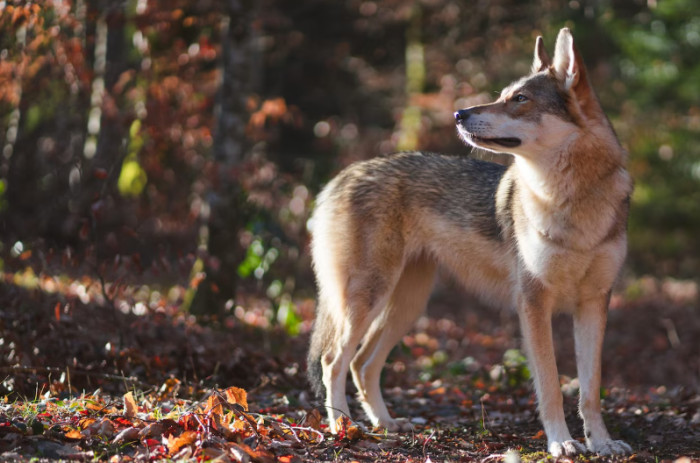
That’s why the first clue is often the tracks, narrower and more oval than most domestic dog prints, right there in the same places people notice everything else.
What Coyotes Eat and How They Hunt
- Coyotes are omnivores. Rodents, rabbits, deer remains, insects, reptiles, fruit, seeds, and human-associated food can all appear in the diet.
- Urban research shows that most city coyotes do not live mainly on pets or garbage. Natural prey remains important.
- They usually hunt small prey alone. Pairs or family groups may cooperate when pursuing larger animals or defending territory.
- Coyotes can adjust hunting time around people. In busy cities they often become more active at night.
- Good hearing allows a coyote to locate movement under snow or vegetation and attack with a fox-like pounce.
- They cache extra food and return later, reducing the cost of a successful hunt.
- A coyote may also investigate unfamiliar objects for play. One security camera recorded a coyote playing with dog toys.
- Coyotes can swim, climb slopes, cross bridges, and follow rail corridors. Urban barriers are often less complete than they appear.
Coyote Families and Communication
- A breeding pair may remain together for years. Both parents feed and protect the pups.
- Coyotes use dens mainly for raising young. A den may be dug from scratch or enlarged from an old burrow, stump, or rock cavity.
- Pups are born in spring in much of the range. They begin exploring outside the den after the earliest dependent stage.
- Family groups can include parents, current pups, and older offspring. Group size changes with season and food.
- A few coyotes can sound like a much larger pack. Overlapping yips and changing pitches create an acoustic illusion.
- Howling can advertise territory, gather separated family members, or reinforce social bonds.
- Coyote-dog hybrids are possible, although many animals casually called coydogs are ordinary dogs or coyotes. A story about a half-coyote dog shows the uncertainty.
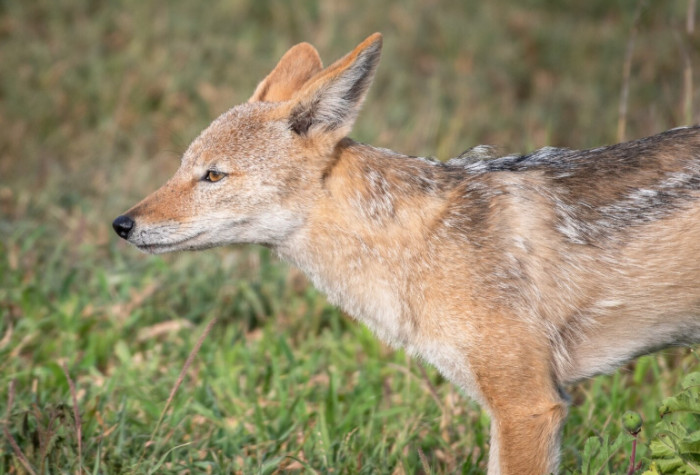
Then comes the diet twist, because in the city the coyote isn’t always raiding pets or bins, it’s more often hunting natural prey while timing its moves to when the block quiets down.
Coyotes aren’t the only pros at adapting, just like hedgehogs with spines that hibernate and climb when conditions change.
Next thing you know, that fox-like pounce and low-tail swagger explain how one coyote can hunt alone, then team up with family when the target is bigger or the territory gets crowded.
Coyotes Around People and Other Predators
- Foxes and coyotes compete for prey, and coyotes can kill smaller canids. Read the related facts about foxes for the size and behavior contrast.
- Domestic dogs may chase coyotes or be lured into conflict. Leashes and secure yards matter most near denning areas.
- Horses are rarely normal coyote prey, but newborn or compromised animals require protection. Facts about horses explain why herd vigilance helps.
- Wolves can suppress coyote numbers and change their behavior. When wolves disappear, coyotes may occupy more space and use a wider range of prey.
- Livestock guardian dogs can confront multiple coyotes, sometimes at severe cost. One sheepdog defended a flock and survived serious injuries.
- Young coyotes should not be raised as pets. A family that kept a wild coyote pup faced needs that become harder as the animal matures.
- Feeding coyotes teaches them to approach people. Secure food, supervise small pets, and use firm hazing when a healthy animal becomes too bold.
What These Facts Reveal
Coyotes survive cities by avoiding people more often than by confronting them. Research repeatedly finds shifts toward nighttime activity, use of green corridors, and diets still dominated by natural prey.
The animals seen most often may be the unusual bold minority rather than the normal population. Coexistence depends on preventing that boldness from being rewarded.
Food waste, outdoor pet food, intentional feeding, and unsupervised small pets create predictable conflict. Firm hazing and secure attractants maintain distance without assuming every coyote sighting is an emergency.
Visibility does not equal aggression.
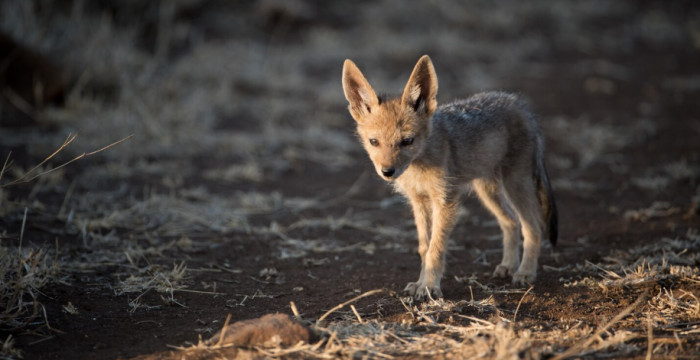
And when the neighbors finally set their sights on the “strange visitor,” that security camera moment, a coyote playing with dog toys, makes it clear the streets are not as secure as they look.
Common Questions About Coyotes
Are coyotes dangerous to humans?
Attacks are uncommon, but risk increases when coyotes are fed, cornered, sick, or defending pups. Children and pets need closer supervision.
Why do coyotes howl?
They howl to maintain contact, announce territory, gather family members, and coordinate social behavior.
Do city coyotes eat mostly pets?
Research indicates that natural prey remains a major part of most urban coyote diets. Pets can still be attacked, especially when left unattended.
The family dinner might be the last thing that surprises anyone, but the coyote in the yard will still find a way to steal the spotlight.
Want more city-smart wildlife facts, like foxes slipping from snow pounces to sidewalks? Check out these fun fox facts.
Share this article:





