22 White Birds: Small and Large Species to Identify

Someone out there is staring at a bright white bird in shallow water, then immediately second-guessing everything, because the shape looks “right” but the details keep changing mid-step.
It usually starts on a calm marsh walk, or a shoreline detour, with a white egret-like silhouette in front of you, a flock of mixed ages behind you, and that one annoying moment where the legs, bill, and feeding style are the only clues you can actually see. Add in the complications: yellow feet flashing in the shallows, black wing tips popping during flight, and juveniles that look totally different from the adults.
By the time you spot Little Egret versus Snowy Egret, or White Ibis versus Ross’s Goose, you realize this isn’t just “white bird” spotting, it’s a full-on visual scavenger hunt.
How to identify white birds
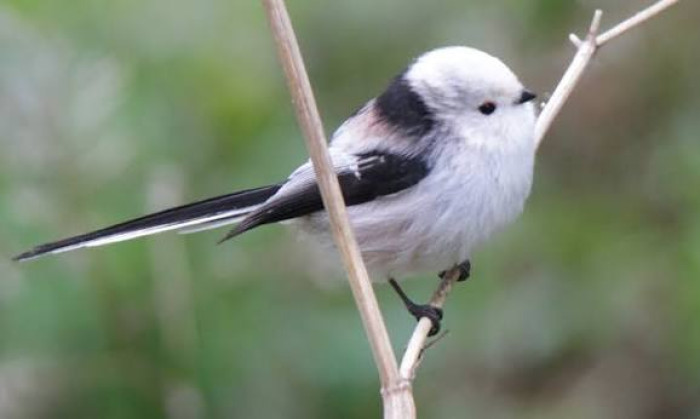
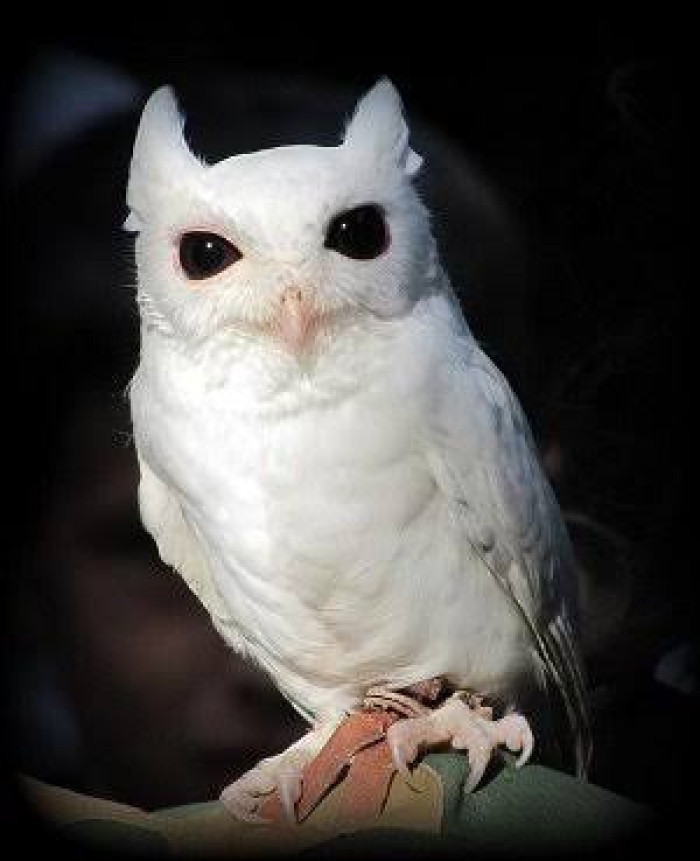
The Cornell Lab’s bird filter by size and color and the Small and medium white birds List: Little Egrets are slim white waders with a fine dark bill, black legs, and bright yellow feet. The build is lighter than that of the largest white herons, and the yellow feet can flash when the bird stirs shallow water for prey. Snowy Egrets also combine white plumage with dark legs and yellow feet, but they are New World birds. Their active feeding style, with quick steps and sudden turns, often separates them from larger egrets before size can be judged accurately. Cattle Egrets are compact, short-necked egrets that often feed in fields rather than standing deep in marshes. Breeding adults add buff-orange plumes to the crown, chest, and back, while nonbreeding birds look much cleaner and whiter. Adult White Ibises have white bodies, long down-curved reddish bills, and reddish facial skin. Black wing tips appear in flight. Juveniles are brown and white, which can make a mixed-age flock look far less uniform than the adults suggest. The white morph of Ross’s Goose is compact, with a short neck and a small pink bill. Black primary feathers show mainly in flight. Its proportions are useful when Ross’s Geese feed beside the larger and longer-billed Snow Goose. The White Tern is a delicate tropical seabird with clean white plumage, dark eyes, and a slim pointed bill. It often perches on branches on oceanic islands, giving it a very different silhouette from gulls and larger terns. Adult male Snowy Owls can become almost completely white, while females and younger birds retain dark bars and spots. The round head, yellow eyes, and bulky feathered body are hard to confuse with a white songbird. Pupperish captured one Snowy Owl in flight. This Japanese form of the Long-tailed Tit has a clean white face, tiny rounded body, and a tail much longer than its body. The Shima-enaga profile shows why the bird can look almost like a moving cotton ball against winter branches. That’s when you notice Little Egrets flash yellow feet in shallow water, and suddenly “white” isn’t enough to get your bearings. Next, the Snowy Egret’s quick steps and sudden turns steal the show, making it harder to judge size until you lock onto the dark legs and bill. List: And if the “white bird” has a round head, check these owl identification clues like ear tufts and heart-shaped faces. Great Egrets are tall, all-white waders with long black legs and a yellow bill. In flight they fold the neck back into an S shape, a useful difference from cranes and storks, which generally fly with the neck extended. Whooping Cranes are very large white birds with long dark legs, a long neck, black wing tips, and red skin on the crown. The neck stays extended in flight. That alone can eliminate an egret when the bird is seen overhead. Adult Siberian Cranes are nearly all white except for black primary feathers and red bare skin on the face. Their long straight bills and fully extended necks give them the classic crane outline, while range separates them from North American species. White Storks combine a white body with black flight feathers, long red legs, and a long red bill. They soar readily and fly with the neck extended. Pupperish covers the species through the historic stork with a spear through its neck. Wood Storks are large white waders with black flight feathers and a bare dark head. Their heavy, down-curved bill is a strong field mark. In flight, the dark trailing edges of the wings become much more obvious than they are on a standing bird. Trumpeter Swans are massive white waterbirds with long necks and black bills. They sit low in the water and look far heavier than geese. The smooth line from forehead to bill helps separate them from other North American swans. American White Pelicans are huge, broad-winged birds with long orange bills and black flight feathers that are mostly hidden while resting. They often feed in groups on the water rather than plunge-diving from the air. Adult Wandering Albatrosses become mostly white with darker flight feathers and extraordinarily long, narrow wings. Their low, efficient gliding is built for open ocean travel. Pupperish explains one adaptation shared by pelagic birds that spend long periods around seawater. Then the whole scene flips when White Ibises fly through, because the black wing tips and reddish facial skin show up like a signature. List: Adult Ivory Gulls are almost entirely white, with black legs and a pale bill tipped with yellow. They are strongly associated with the high Arctic, so location is one of the most useful identification clues when a small white gull is seen near sea ice. Snow Petrels are small Antarctic seabirds with white plumage, dark eyes, and a black bill. Their compact shape and low flight over cold ocean water separate them from the much larger albatrosses that share southern seas. Rock Ptarmigan turn largely white in winter, blending into snow while retaining dark tail feathers. In warmer seasons their plumage becomes mottled brown and gray. The same bird can therefore move in and out of a color-based identification guide with the seasons. The White Cockatoo is a large white parrot with a broad movable crest, dark bill, and grasping feet. Pale yellow can show beneath the wings and tail. The parrot silhouette prevents confusion with white pigeons and waterbirds. Male White Bellbirds are mostly white and have a dark facial wattle that hangs from the base of the bill. Their appearance is unusual, but the voice is even more memorable. Pupperish has a closer look at the White Bellbird and its exceptionally loud call. Screech owls are normally gray or reddish, but unusually pale individuals can appear almost white. Ear tufts, compact size, and the facial disc separate them from Snowy Owls. One such rare white owl sparked plenty of attention because of its ghostly plumage. Finally, Ross’s Goose and Snow Goose comparisons get real, since their proportions and bill size matter most when they feed side by side. A white bird does not need to be pure white from bill to tail. That is why the overall body color should be treated as the main clue, then checked against wing pattern, bill shape, and range. If the bird is mostly dark with pale patches, compare the separate guide to black birds. Rose and salmon plumage fits better with pink birds, while warm crimson belongs with red birds. Once you start using bill shape, legs, and feeding behavior, the “mystery white bird” stops being a mystery. Next, compare those white birds to red birds with bright chests and red heads.1. Little egret

2. Snowy egret
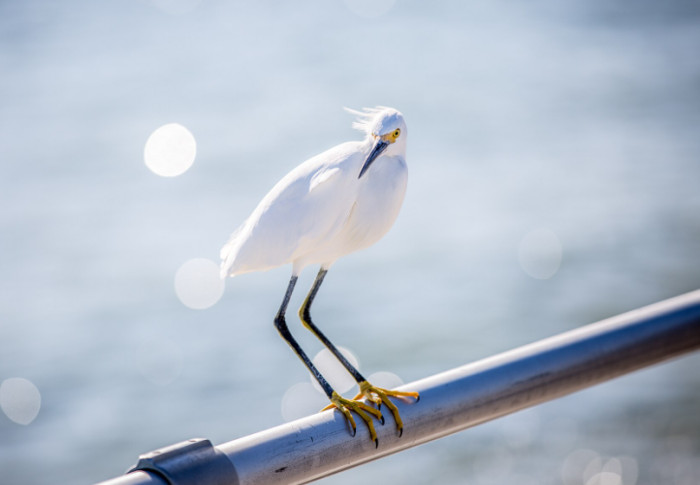
3. Cattle egret

4. White ibis

5. Ross's goose

6. White tern

7. Snowy owl

8. Shima-enaga
Big white birds
9. Great egret

10. Whooping crane

11. Siberian crane

12. White stork

13. Wood stork

14. Trumpeter swan

15. American white pelican

16. Wandering albatross

White birds of snow, islands, and forests
17. Ivory gull

18. Snow petrel

19. Rock ptarmigan

20. White cockatoo

21. White bellbird

22. White screech owl
Why some white birds still show dark markings
Share this article: