
Duck Eggs vs Chicken Eggs: Size, Taste, Nutrition, and Uses

A 28-year-old woman brought a dozen duck eggs to the family brunch like it was a flex, then watched everyone freeze when they realized these shells look and feel different from the chicken eggs in the carton.
Her plan was simple, swap in duck eggs for everything, from soft-boiled “wow” moments to a baked custard that had to turn out perfect. But the details kept getting messy, duck eggs vary by breed and size, the shells crack differently, and even the same egg can go from creamy to rubbery if the timing is off.
By the time the first yolk hit the plate, the real question was not “duck or chicken,” it was whether her recipe could handle the switch.
Quick Comparison
Individual breed, diet, age, and egg size can change the result. A small duck egg may overlap with a large chicken egg.

Size and Shell Differences
Duck eggs are commonly larger than standard chicken eggs. They also tend to have thicker shells and more substantial membranes, which can make them feel harder to crack.
That thicker shell does not remove the need for refrigeration, clean handling, or cooking. Treat both as raw animal foods.
Domestic duck breeds vary widely. A small Call duck and a large Pekin will not produce identical eggs. The same is true of bantam and large-fowl chickens.

She learned the hard way that a small duck egg can overlap with a large chicken egg, so the carton labels did not tell the full story.
Taste and Texture
Chicken eggs have a mild flavor that disappears easily into other ingredients. Duck eggs often taste richer because the yolk is larger and the total egg contains more fat relative to many chicken eggs.
Some people notice a stronger egg flavor. Others mainly notice a creamier yolk and firmer white. Freshness, feed, and cooking method can affect the experience as much as species.
A soft-boiled duck egg can feel luxurious. An overcooked one can become rubbery. No bird escapes bad timing.
Nutrition
Because duck eggs are larger, one whole duck egg usually provides more calories, protein, fat, cholesterol, vitamins, and minerals than one typical chicken egg. A fair comparison should use equal weights or clearly state the serving size.
The USDA FoodData Central database is the appropriate place to compare nutrient values by weight. It avoids the common mistake of comparing one large duck egg with one smaller chicken egg and presenting the difference as purely nutritional.
Neither egg is automatically healthier for every person. Dietary needs, portion size, preparation, and medical guidance matter.
Are Duck Eggs Better for Baking?
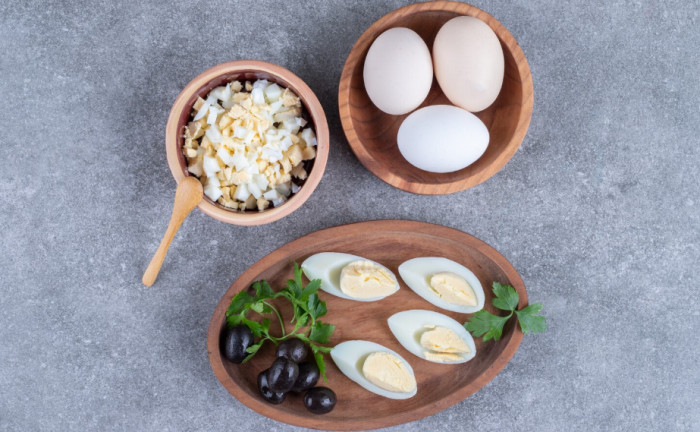
Duck eggs can produce rich cakes, custards, noodles, and pastries. Their larger yolks contribute fat and emulsification, while the whites can provide structure when beaten.
Substitution is not always one-for-one because of size. Weighing the egg contents is more reliable than counting shells. A recipe designed around large chicken eggs may become too wet or eggy if the same number of large duck eggs is used.
For casual cooking, one duck egg may replace one extra-large chicken egg. For precise baking, use grams.
Egg Whites and Whipping
Duck egg whites can whip into stable foam, but freshness, bowl cleanliness, temperature, and technique matter. Any trace of yolk or grease can interfere.
The thicker white of a very fresh egg may take longer to loosen. Once whipped, it can work well in meringues and sponge cakes. Again, weight gives better control than counting eggs.
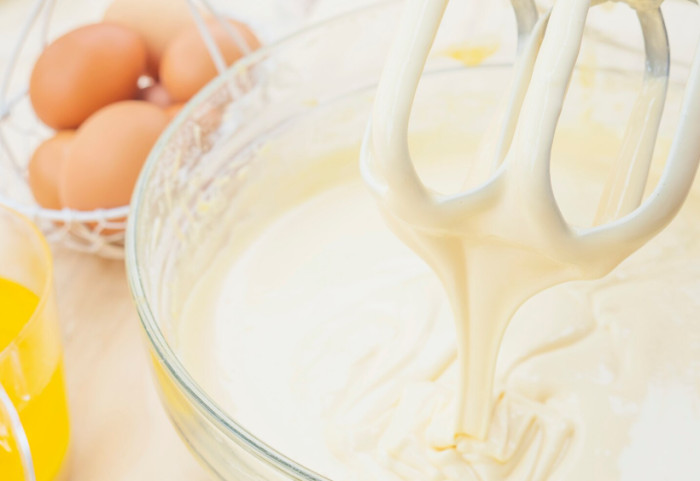
Then came the crack, those thicker duck shells and sturdier membranes made the first few tries feel like a slow-motion kitchen crime scene.
And if you are comparing poultry options, check the A-to-Z farm animals list, with names and short facts.
Color and Appearance
Duck eggs may be white, cream, blue-green, grayish, or nearly black in some breeds.
Shell color does not determine nutritional quality. It is primarily a breed trait.
The birds themselves vary just as much. Pupperish's gallery of cute domestic duck moments shows how dramatic duck breed differences can be, while fancy chickens in costumes barely begins to cover chicken diversity.
Availability and Price
Chicken eggs dominate grocery stores because chicken production is larger and grading systems are built around them. Duck eggs are often found through farmers' markets, specialty shops, Asian groceries, or local farms.
They may cost more because supply is smaller and ducks can be messier to house. Some duck breeds also lay seasonally or at lower commercial scale.
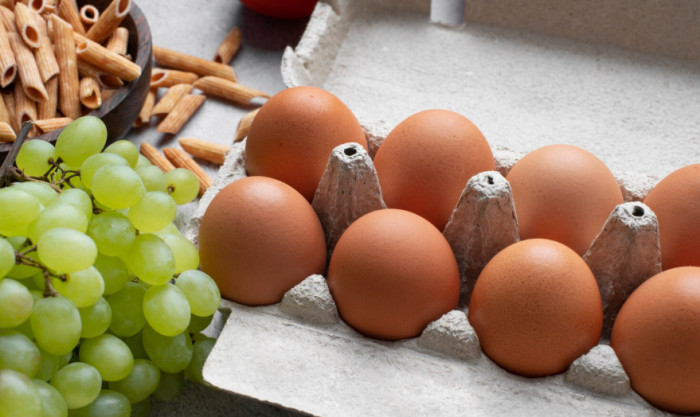
When they tasted, the chicken eggs stayed mild and background-friendly, while the duck eggs showed up richer, firmer, and more yolk-forward.
Food Safety
Duck and chicken eggs can carry harmful bacteria. Keep them refrigerated, avoid using cracked or dirty eggs, wash hands and surfaces after handling raw egg, and cook them appropriately.
The FDA egg safety guidance recommends clean handling and proper cooking. Pasteurized eggs or egg products are the safer option for recipes served raw or undercooked, especially for high-risk people.
Do not wash store-bought eggs immediately before long storage. In the United States, commercial chicken eggs are washed and refrigerated under regulated systems. Local duck eggs may be handled differently, so ask the seller and follow local guidance.
Allergy Considerations
A person allergic to chicken eggs may also react to duck eggs because bird egg proteins can cross-react. Duck eggs are not a safe substitute unless a qualified medical professional has evaluated the allergy.
Likewise, a different shell color or farm source does not remove an egg allergy.

And during the baking test, her custard and pastries proved duck eggs are great for fat and emulsification, but the substitution is not always one-for-one because of size.
Keeping Ducks vs Chickens for Eggs
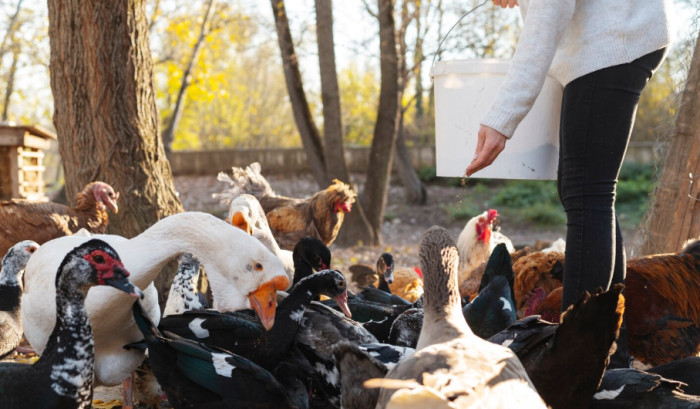
Ducks can lay reliably, tolerate wet weather well, and forage enthusiastically. They also use more water, create wetter bedding, and need drainage.
Chickens are easier to house with standard equipment and usually create a drier setup. Many established laying breeds are available.
For a small property, compare backyard farm animals and best farm animals for beginners before choosing birds. Egg preference should not be the only factor.
A mother duck accepting rescued ducklings, as in this adoption story, reveals complex social behavior. Chickens have their own social systems and pecking orders. Both need companions and careful flock introductions.
Can Ducks and Chickens Live Together?
They can share a property, but their housing needs differ. Ducks make water areas wet. Chickens need dry roosting space. Drakes can also injure hens if mating behavior crosses species, so mixed flocks require close supervision and appropriate sex ratios.
Separate water stations or sleeping areas often work better. A well-built chicken coop can inspire ideas, but duck access and drainage must be planned deliberately.
Which Egg Should You Choose?
Choose chicken eggs for convenience, standard recipes, and broad availability. Choose duck eggs for larger yolks, richer flavor, specialty baking, and local production when available.
Use farm animals list to compare other egg-producing species and types of farm animals to understand where poultry fits on a mixed farm.
Neither egg is objectively superior. The difference becomes useful when it matches the dish, the portion, and the way the birds are managed.
The family dinner did not end well, but it did end with everyone asking for the duck eggs again, under stricter timing rules.
Ready to raise eggs without chaos, see which backyard farm animals work in small properties.
Share this article:





