30 Fun Facts About Butterflies From Wing Scales to Migration

Butterflies look delicate, but their bodies are basically tiny engineering projects with a paint job. Those bright wings are not just pretty, they are built from wing scales that can act like pigments or like microscopic mirrors that bend and reflect light.
And it gets weirder, because butterflies are not “seeing” the way humans do. Their compound eyes track motion, their vision can catch ultraviolet patterns, and even their taste shows up on their feet, where a female can land on a leaf and quietly check if it is the right setup for her caterpillars.
Then, once you think you’ve figured out the adult, the whole story flips with the egg, larva, pupa, and chrysalis stages, plus those dramatic wing-expansion moments right before flight.
Butterfly Facts About Wings and Senses
- Butterflies are insects, so adults have six legs, three main body sections, two antennae, and usually four wings.
- Their wings are covered with tiny scales. Butterflies and moths are the only insect group with this defining feature.
- Some wing colors come from pigments. Others are structural colors produced when microscopic surfaces bend and reflect light.
- A butterfly has compound eyes made from many visual units. The result is excellent motion detection rather than human-style sharp detail.
- Many species can see ultraviolet patterns invisible to people. Those markings can guide mate choice and flower visits.
- Taste receptors occur on the feet. A female can land on a leaf and test whether it is suitable for her caterpillars.
- The proboscis works like a flexible drinking tube. When it is not being used, it coils beneath the head.
- Macro photography reveals scales, hairs, and compound eyes that vanish at normal distance. Collections of close-up insect photos show that fine structure clearly.
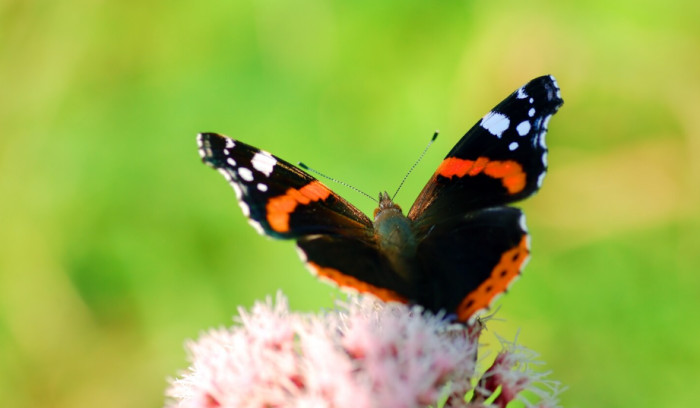
The moment you picture those wing scales flashing pigment colors, you also have to picture the structural colors doing the real light-bending magic.
From Caterpillar to Butterfly
- A butterfly life cycle has four stages: egg, larva, pupa, and adult. Each stage has a different job.
- Caterpillars focus on eating and growth. Their skin cannot stretch indefinitely, so it is shed several times.
- The Smithsonian notes that a caterpillar may molt four or more times before pupating. Its color and shape can change after each molt.
- A butterfly pupa is usually called a chrysalis. A silk cocoon is more typical of many moths, although the distinction has exceptions.
- Inside the chrysalis, larval tissues are reorganized into the adult form. The process is controlled, not a simple melting into liquid.
- Some caterpillars use startling camouflage. The viceroy larva can resemble bird droppings, making it less attractive to predators.
- Newly emerged butterflies need time to expand and dry their wings. They pump fluid through the wing veins before the first flight.
- Before-and-after images of butterfly and moth transformations make the scale of metamorphosis difficult to miss.
Food, Plants, and Survival
- Most caterpillars eat one plant species or a small group of related plants. Adult females must place eggs where the next stage can feed.
- Adult butterflies mainly drink liquids, including nectar, tree sap, rotting fruit juice, and minerals dissolved in wet soil.
- Mud-puddling is common in males of some species. They gather salts and minerals that are scarce in nectar.
- Butterflies are ectothermic. They often bask with wings positioned to absorb enough heat for flight.
- Damaged adult wings do not grow back. A butterfly may still fly with missing scales or small tears, but major damage reduces control.
- Camouflage helps some species disappear against bark or dead leaves. Bright warning colors can signal toxins or a bad taste.
- Some harmless butterflies copy protected species. That kind of visual deception has parallels among snakes and other animals.
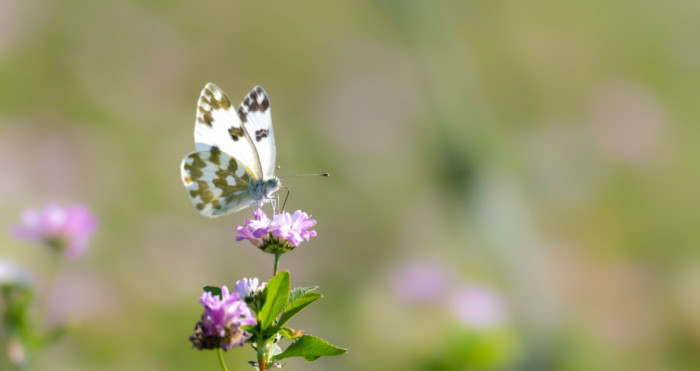
That’s when the compound eyes and ultraviolet markings start to feel less like “cool facts” and more like a whole navigation system.
Butterfly senses are also worth comparing to how horses communicate through tiny movements and sleep standing.
Right after that, the leaf-testing taste receptors on the feet make the caterpillar stage feel like the butterfly’s secret mission.
Migration and the Wider Butterfly World
- The Smithsonian estimates about 17,500 butterfly species worldwide and roughly 750 in the United States.
- Monarch migration across North America takes multiple generations. No single butterfly completes the full annual round trip.
- Species survive winter in different stages. One may overwinter as an egg, another as a caterpillar, pupa, or adult.
- Butterflies share the order Lepidoptera with moths. A dragon-like moth can look more unusual than many butterflies.
- Butterflies and spiders frequently meet on flowers and vegetation, usually with the spider acting as predator.
- Like hedgehogs in gardens, butterflies depend heavily on connected habitat rather than isolated decorative spaces.
- Lists of rarely known animal facts often include insects because their life cycles and defenses differ so sharply from vertebrate animals.
What These Facts Reveal
A butterfly depends on more than flowers. The adult needs nectar and safe resting places, while the caterpillar may require one specific host plant that looks unremarkable to people.
Remove that plant and the entire life cycle can disappear from a garden even when blooms remain abundant. That connection explains why butterfly conservation is really habitat conservation.
Eggs, larvae, pupae, and adults need different resources at different times, and migration adds another layer across large regions. Bright wings draw attention, but survival often depends on leaves, soil moisture, shelter, and seasonal timing.
The wings are only the visible stage. A strong butterfly article therefore needs to cover the caterpillar and its host plant, not only the adult.
The less visible stages decide whether a population can return next season.
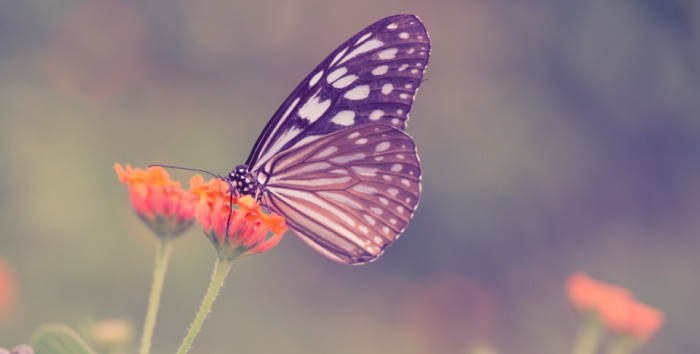
And then the chrysalis reorganization, the fluid-pumping wing expansion, and the first flight turn the whole life cycle into a before-and-after spectacle.
Common Questions About Butterflies
How long do butterflies live?
Adult life spans vary from days to several months. The full life cycle lasts longer because it includes the egg, caterpillar, and pupa stages.
Can a butterfly fly after losing wing scales?
Yes, small scale loss is normal. Large tears or missing wing sections can reduce lift and control.
What do butterflies eat?
Caterpillars usually chew host plants. Adults drink liquids such as nectar, sap, fruit juice, and mineral-rich moisture.
The next time you see a butterfly land, you will wonder how much planning happened before it even took off.
After learning about butterfly wing scales, check out why a cat’s headbutts, whiskers, and catnip work.
Share this article: