
Pig vs Hog vs Boar: What Each Term Actually Means

It starts with a tiny label on a listing, a barn note, or a casual comment at a cookout, and somehow that word turns into a whole identity crisis: pig, hog, or boar. People toss these terms around like they mean the same thing, but the moment you’re trying to describe an animal clearly, the slang stops cooperating.
Picture the confusion in real life, someone talking about a market-ready pig at one moment, then switching to feral swine after spotting tracks in the yard. Maybe a farmer is saying “boar” while pointing at a specific male breeding animal, while someone else is using “wild boar” to describe the free-ranging version. Now add the fact that “hog” can mean bigger, older, or just whatever word got used in that region, and suddenly the labels feel more slippery than the animals themselves.
Here’s the story behind why the term you pick can change the whole conversation.
What Is a Pig?
Pig is the general term for animals in the domestic form of Sus scrofa. It can describe either sex and almost any age, although producers often use more precise terms.
A young pig is a piglet. An adult female that has given birth is a sow. A young female is a gilt. A castrated male is a barrow. An intact male is a boar.
In ordinary speech, “pig” works almost everywhere.
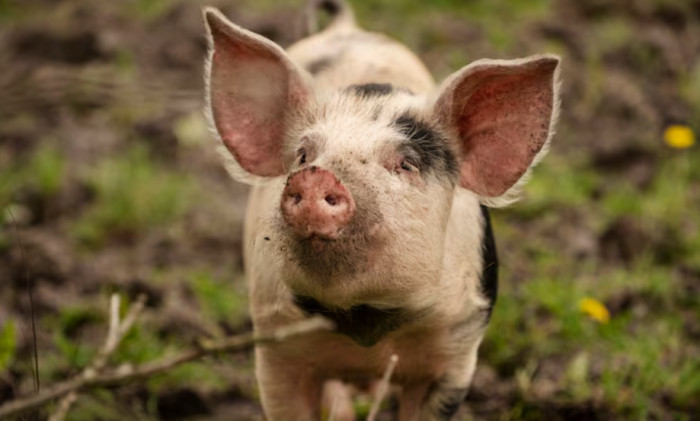
What Is a Hog?
Hog commonly refers to a larger or mature domestic pig, especially one raised for market. The exact weight boundary varies by source, region, and industry context, so it should not be treated as a biological category.
All domestic hogs are pigs. Not every pig would be called a hog.
“Hog” is also used in phrases such as feral hog, where it describes free-ranging swine rather than a carefully weighed domestic animal.
What Is a Boar?
Boar has two common meanings:
- An intact adult male pig
- A wild boar, the wild form or ancestor associated with domestic pigs
Context matters. A farmer discussing a breeding boar usually means a male domestic pig. A wildlife officer discussing wild boars means free-ranging wild swine.
The USDA APHIS page on feral swine notes that wild pigs, wild boars, wild hogs, and razorbacks are often used as overlapping names in the United States.
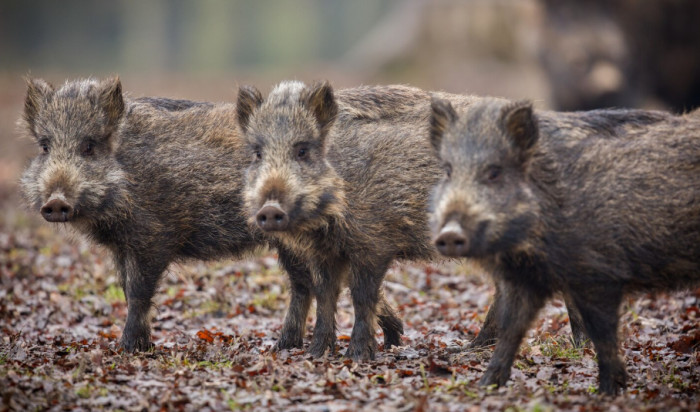
That’s when the word “pig” starts looking too broad, because it covers basically everything from piglet to sow to barrow.
Pig vs Hog
The difference is mostly usage. “Pig” is broader. “Hog” often implies a larger, older, or market-ready domestic animal.
A small heritage pig can still be a pig even when fully grown. A large sow can be called a hog even though it is female. The terms do not map neatly onto sex.
The story of the common story of supposed mini pigs that grow far beyond buyer expectations shows why adult size matters more than the label used at sale.
Pig vs Boar
A pig may be male or female, young or old. A boar is specifically male when used in domestic husbandry.
A boar may develop larger tusks, a heavier front end, stronger odor, and more challenging behavior as it matures. Intact males require secure facilities and experienced handling.
Castration changes the correct term to barrow. It also affects behavior, growth, and meat characteristics.
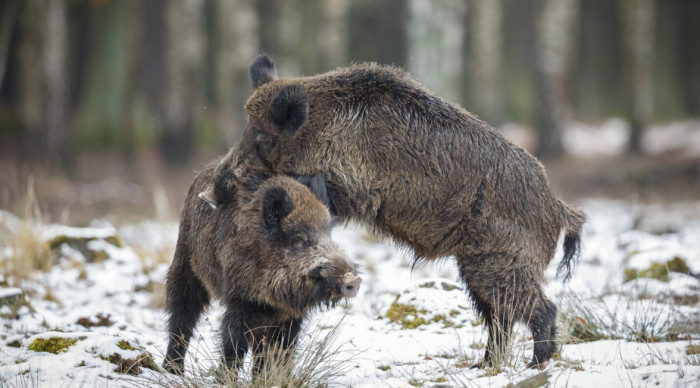
Then “hog” shows up like it has rules, but the weight cutoff shifts by region, and even the phrases like “feral hog” don’t follow the same playbook.
Wild Boar vs Domestic Pig
Domestic pigs and wild boar belong to the same species complex and can interbreed. Selective breeding has changed domestic pigs in body shape, growth, coat, reproduction, and temperament.
Wild boar generally have longer legs, a narrower body, coarse bristles, a larger head, and more visible tusks. Domestic breeds vary so widely that some overlap in appearance.
USDA APHIS describes feral swine identification as difficult because animals can resemble domestic hogs, though feral swine are often leaner with coarse hair and longer tusks.
And just like “lamb” is a young sheep, this lamb vs sheep vs goat guide breaks down the name mix-ups.
Feral Pig vs Wild Boar
A feral pig descends from domestic pigs that escaped or were released and now live free. A Eurasian wild boar belongs to wild-origin lineages. In the United States, many free-ranging populations contain mixed ancestry.
That is why agencies often use “feral swine” or “wild pigs” as umbrella terms. The biology is mixed, and the damage is similar.
A rescued baby wild boar bonding with a Labrador is an individual story, not evidence that wild pigs are suitable pets. Adult behavior and legal status are different matters.
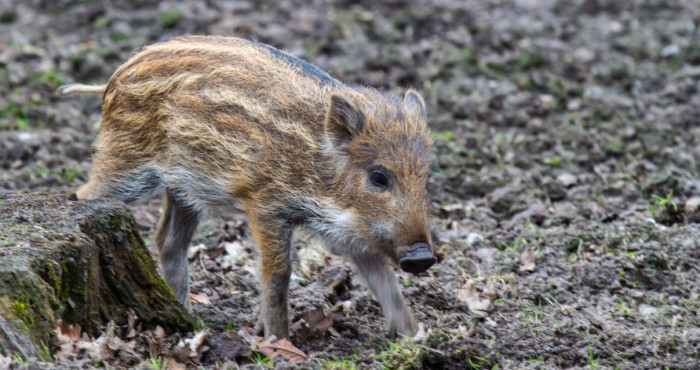
Next comes “boar,” and it gets extra tricky because it can mean a domestic intact male or a wild boar, depending on who’s talking about what.
Sow, Gilt, Barrow, and Piglet
Correct pig terminology helps with records and care:
- Boar: intact male
- Sow: adult female that has produced a litter
- Gilt: young female that has not produced a litter
- Barrow: castrated male
- Piglet: young pig
- Litter: group born at one time
- Farrowing: giving birth
These terms describe sex, age, and reproductive status more accurately than pig or hog.
Are Wild Boars More Dangerous Than Domestic Pigs?
Wild boars and feral swine can injure people with speed, mass, and tusks, especially when cornered, wounded, or protecting young. Domestic pigs can also be dangerous because of their size and strength.
Familiarity should not create complacency. A hand-raised boar may be less fearful of people, not safer.
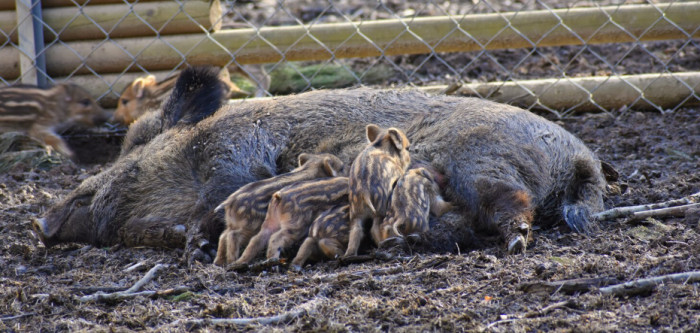
How Domestic and Wild Pig Behavior Compare
Domestic pigs retain many behaviors seen in wild relatives, including rooting, nest building, social grouping, foraging, and wallowing. USDA Agricultural Research Service material on swine social behavior notes strong continuity between domestic pig behavior and wild ancestors when animals have the opportunity to express it.
A pig raised among dogs may even copy household routines. Pupperish covered a pig that seemed to think it was one of five rescue dogs. It remained a pig with pig needs.
Pig Breeds Can Look Wild or Unusual
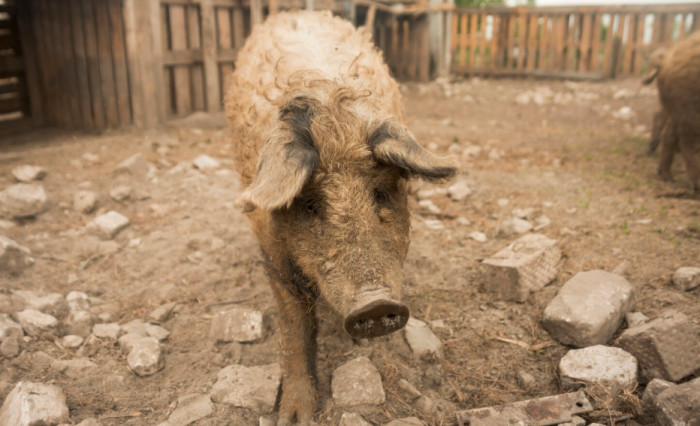
Domestic pigs range from pale commercial breeds to dark, spotted, red, belted, long-haired, and curly-coated heritage breeds. The Mangalitsa's woolly coat is a good example of appearance challenging expectations.
Color alone cannot identify a feral animal. Location, body shape, behavior, ear marks, ancestry, and management history all matter. A wild baby boar raised after appearing on a doorstep remained an unusual individual case, not a template for keeping wild swine.
Finally, the pig vs boar part makes it real, since a boar’s mature behavior and odor can be the difference between “fine” and “we need better facilities.”
Where Pigs Fit on a Farm
Pigs may provide meat, breeding stock, land disturbance, vegetation cleanup, or companionship. They need social contact, shelter, shade, water, secure fencing, suitable feed, enrichment, and a plan for manure and mature size.
For broader context, see types of farm animals and farm animals list. New keepers should also read best farm animals for beginners before buying piglets.
Unusual heritage breeds belong in unique farm animals only when the care plan is as serious as the interest.
The Clear Answer
Pig is the general animal. Hog is an informal or agricultural term often used for a larger domestic pig. Boar means an intact male pig or, in “wild boar,” the wild form.
The words overlap. Sex and management terms are more precise.
One wrong label can turn a simple farm description into a full-blown misunderstanding at the worst possible moment.
Want more proof pigs are basically tiny geniuses, read these fun facts about smart, social pigs that learn, communicate, and build nests.
Share this article:





